Florida Apartment Turnover Pest Control Checklist
A vacant apartment can develop a pest problem before the next tenant receives the keys. Florida's heat, humidity, rainfall, and dense landscaping give cockroaches, ants, rodents, and other pests access to food, water, and shelter.
A reliable apartment turnover pest control process starts after move-out and ends with a documented final inspection. Property managers, landlords, and maintenance teams should inspect first, correct conditions that attract pests, coordinate treatment, and confirm the apartment is ready for occupancy.
Apartment Turnover Pest Control: Start With a Full Inspection
Inspect the unit after the previous tenant removes personal belongings, but before deep cleaning erases evidence. Walk the apartment in one direction and record findings by room.
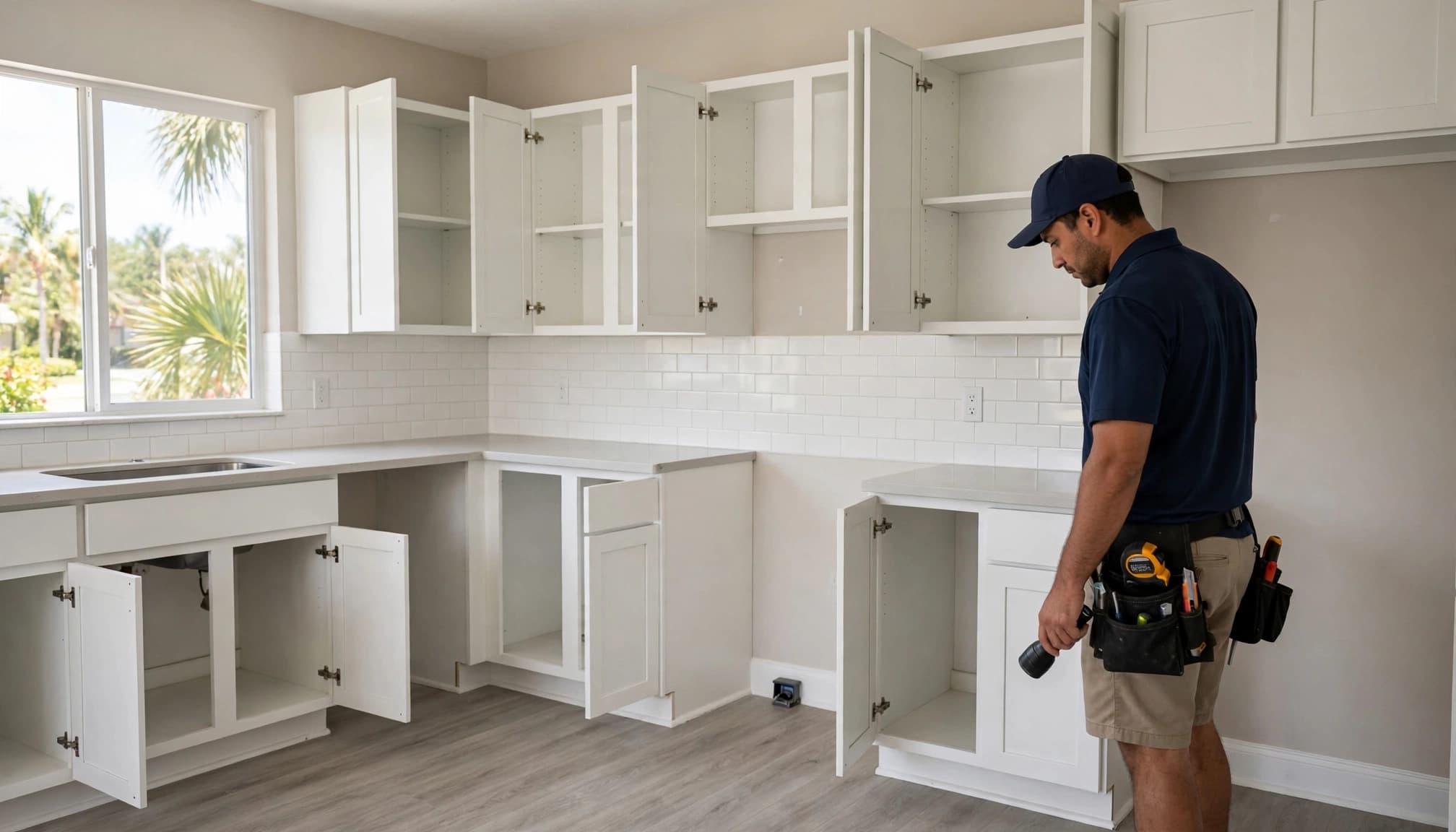
Check kitchens, bathrooms, and utility areas
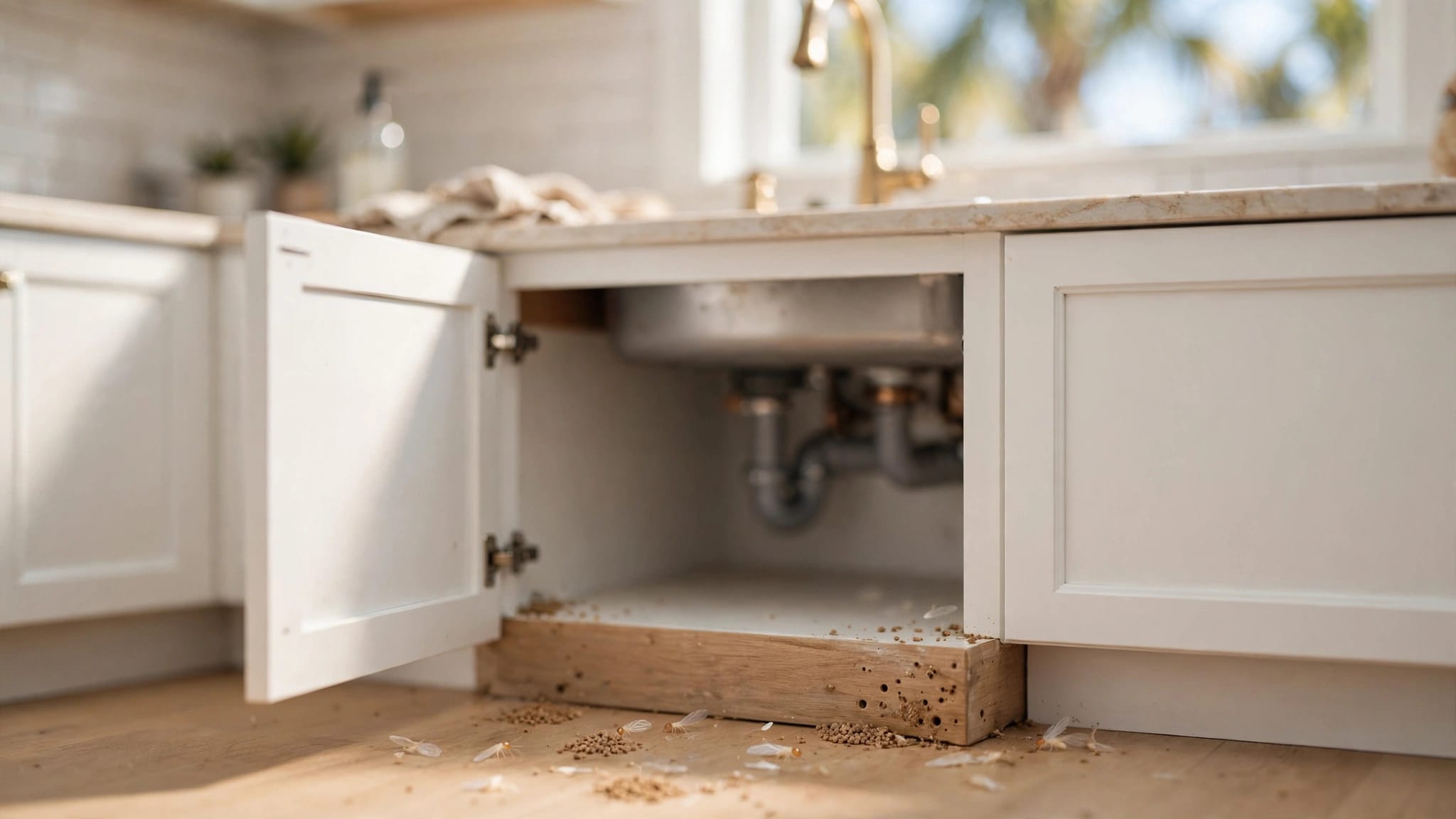
Look under sinks, behind appliances, around drains, inside cabinets, and along baseboards. Pay close attention to:
- Live or dead cockroaches, droppings, egg cases, and shed skins
- Ant trails near sinks, windows, doors, and food storage
- Rodent droppings, gnaw marks, nesting material, or stale odors
- Moisture under plumbing fixtures and around air-conditioning equipment
- Gaps around pipes, electrical lines, doors, and cabinets
A few ants or one roach may indicate a larger source nearby, especially when moisture or food residue is present. Record the exact location instead of writing only "pests found."
Inspect bedrooms, closets, patios, and entry points
Bed bugs require a careful inspection of mattress seams, bed frames, upholstered furniture, baseboards, and nearby cracks. Look for live bugs, dark spotting, shed skins, or small pale eggs. Do not move suspected infested furniture into another unit.
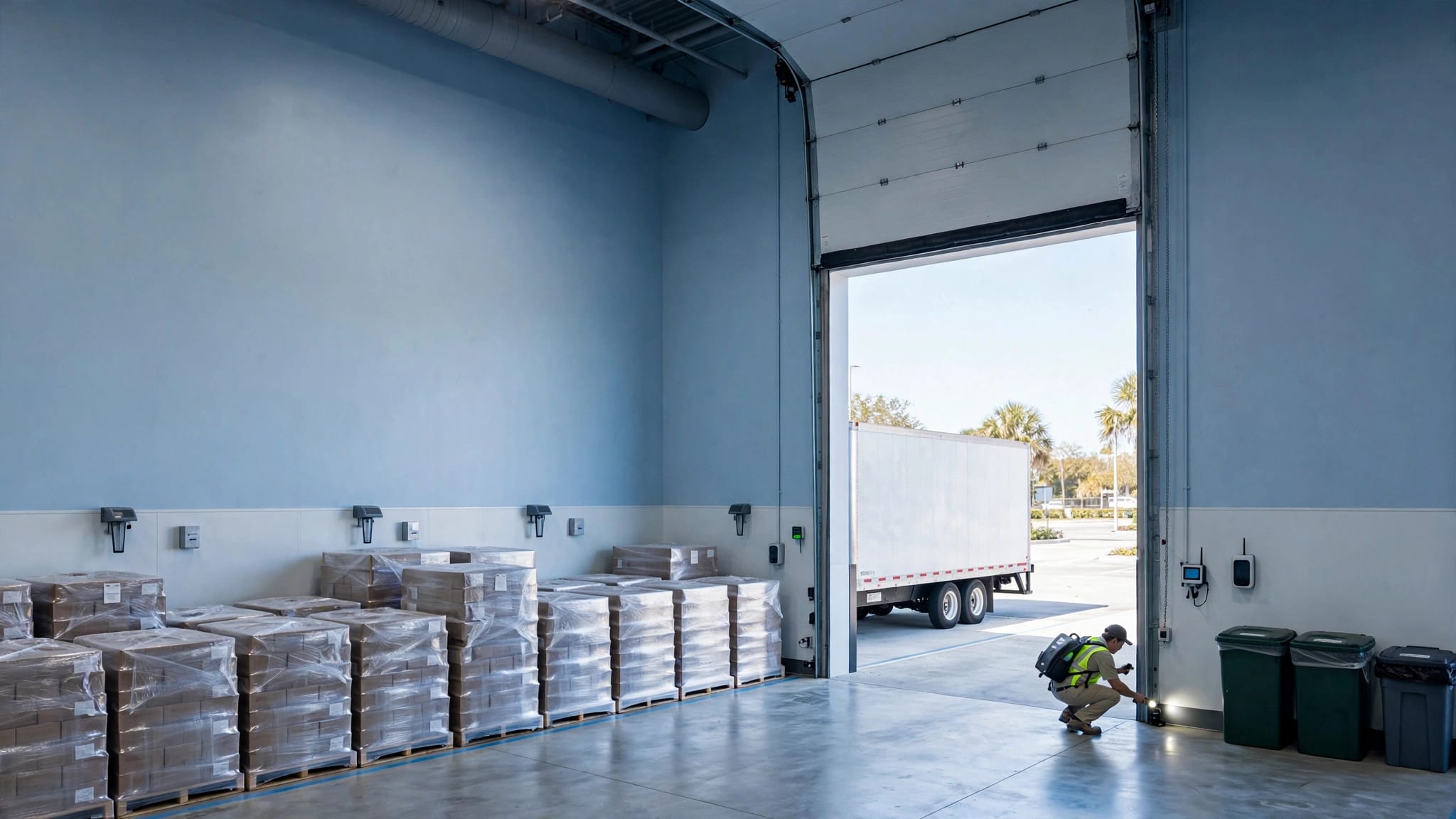
Outside the apartment, check door sweeps, window screens, patio thresholds, storage closets, trash areas, and utility penetrations. These locations often connect the unit to exterior pest pressure. Maintenance should create work orders for damaged screens, loose seals, standing water, and openings that need repair.
Build a Turnover Schedule Between Tenants
Turnover pest control works best when each task has a clear place in the vacancy window. A rushed visit can leave moisture, access points, or unresolved pest evidence behind.
| Turnover stage | Main action |
|---|---|
| Move-out | Review resident reports and remove belongings |
| Initial inspection | Document pest evidence, moisture, damage, and entry points |
| Repairs and cleaning | Correct leaks, seal gaps, remove debris, and clean food residue |
| Treatment visit | Follow the provider's preparation and treatment instructions |
| Final inspection | Confirm access, cleanup, monitoring results, and open work orders |
| Move-in approval | Release keys only after required instructions and follow-up are complete |
Schedule the inspection as soon as the apartment is empty. If a provider finds roaches, rodents, bed bugs, termites, or another established issue, allow time for follow-up rather than treating the first visit as the finish line.
A recurring problem may need a service schedule based on the property's conditions, pest reports, rainfall, construction, or vacancy history. A calendar alone cannot replace inspection findings.
Prepare the Apartment Before Treatment
Treatment preparation protects residents, pets, belongings, and the quality of the service. The provider's instructions should control the exact steps, because preparation differs by pest and product.
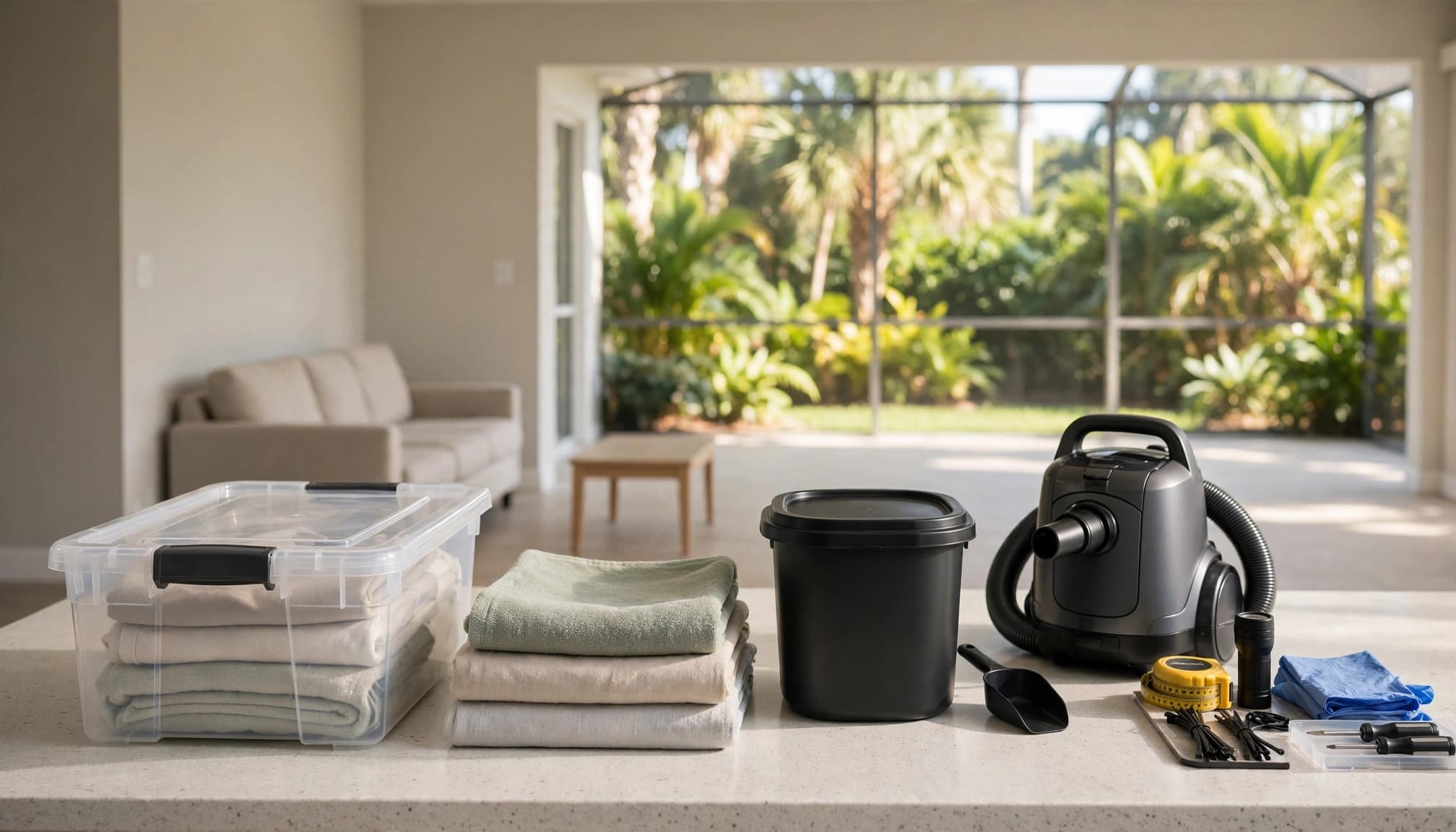
Clear access and remove attractants
Before the appointment:
- Remove trash, cardboard, food waste, and loose debris
- Wipe grease and food residue from counters, cabinets, and appliances
- Empty cabinets or closets when the provider requests access
- Move furniture away from walls when inspection or treatment requires it
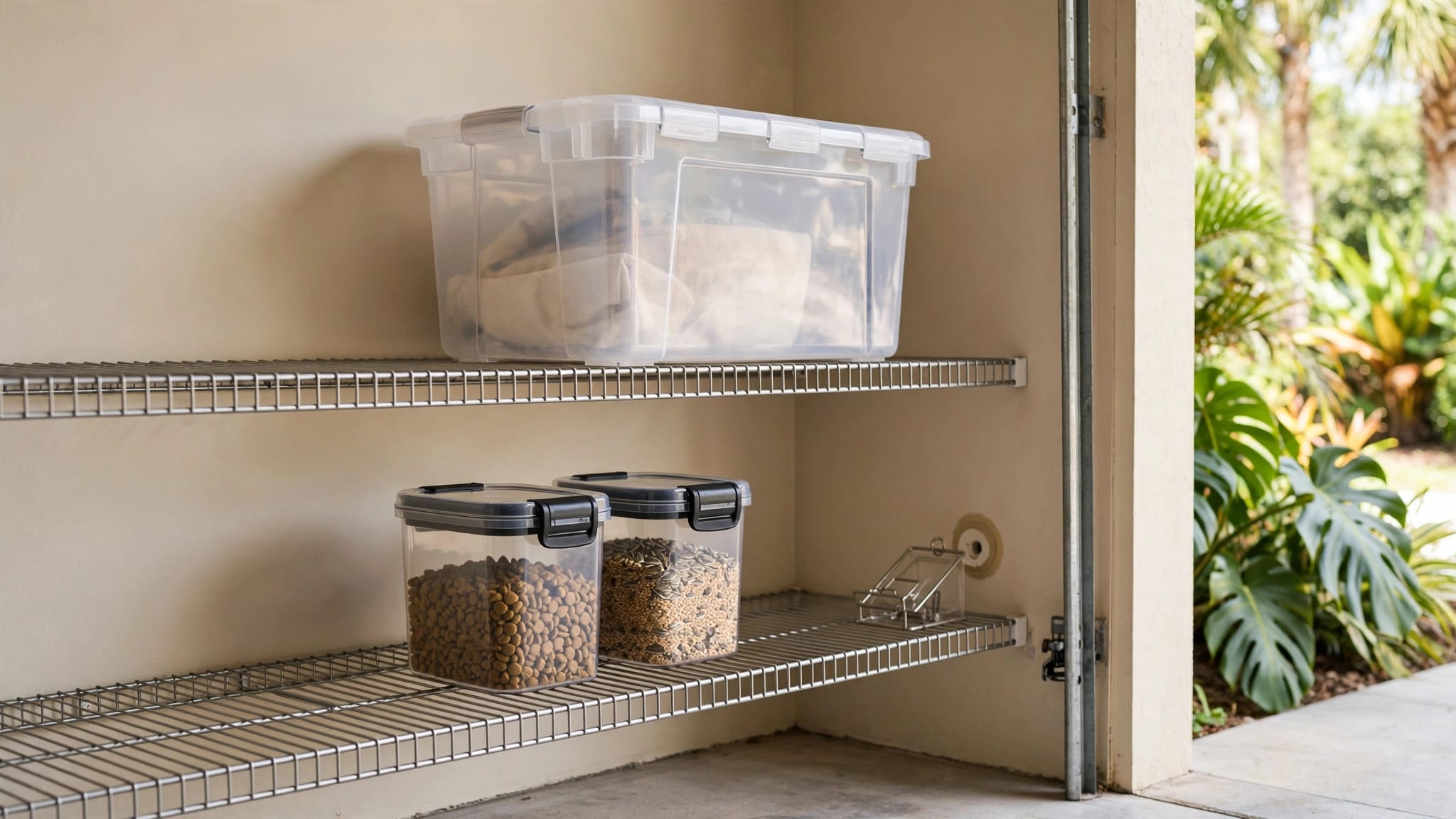
- Store food, dishes, pet food, and water bowls as instructed
- Report leaking faucets, drain issues, and air-conditioning moisture
- Keep the unit accessible to the technician
Avoid sealing cracks or moving appliances until the inspection is complete if those areas may contain evidence. After documentation, maintenance can complete repairs recommended by the provider.
Handle suspected bed bugs and rodents carefully
Do not carry mattresses, sofas, bags, or other belongings into another apartment when bed bugs are suspected. Bag items only as directed, and mark the unit clearly for the people working there.
Rodent evidence also needs a source-focused response. Cleaning droppings without checking wall voids, cabinets, attic access, plumbing penetrations, or HVAC areas may leave the cause in place. A strong ammonia-like odor, repeated droppings, or scratching sounds should prompt professional evaluation rather than air freshener or a new filter alone.
Know Which Florida Pests Need Extra Attention
Different pests leave different clues, and each one changes the turnover response. The goal is to identify the pest and likely source before choosing treatment.
Cockroaches and ants
Cockroaches often leave droppings, egg cases, shed skins, or an odor in dark, warm areas. Inspect behind refrigerators, under sinks, around dishwashers, and inside cabinet corners. Remove food residue and correct leaks before treatment.
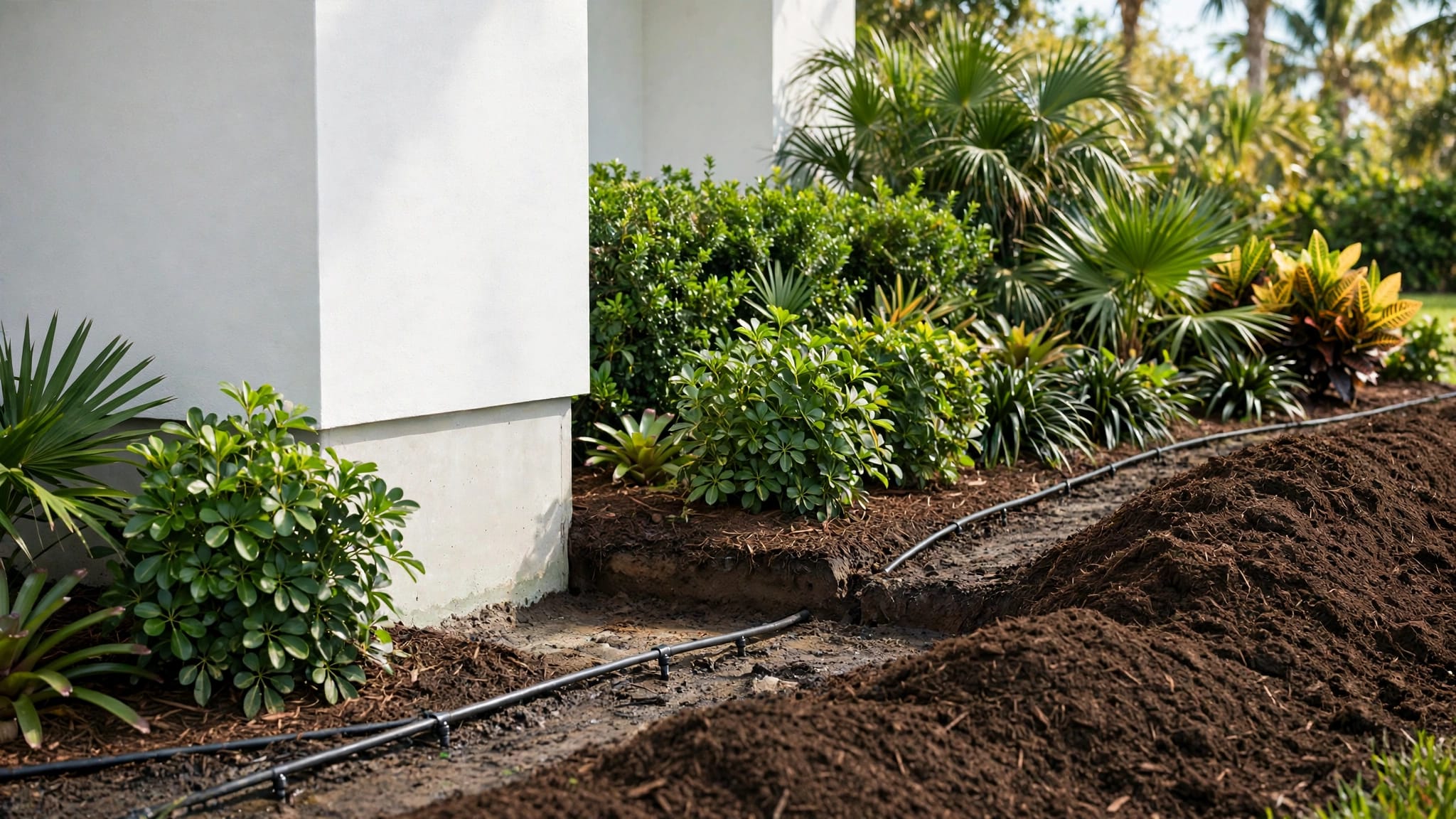
Ants may enter through windows, doors, utility openings, or wall gaps. Follow trails instead of treating only the ants seen on a counter. Check exterior vegetation, mulch, irrigation, and moisture near the building when the problem reaches beyond the unit.
Rodents
Check for droppings, gnaw marks, nesting material, grease marks along walls, damaged food packaging, and odors near vents or cabinets. Inspect shared walls, trash areas, garages, storage rooms, and utility openings when several units report activity.
Rodent control may require exclusion and sanitation work in addition to traps or other treatment. Do not close an opening before confirming that animals are not trapped inside.
Bed bugs, termites, and mosquitoes
Bed bug signs around sleeping areas, upholstered furniture, or baseboards require prompt professional treatment. Avoid using household foggers or moving furniture between units.
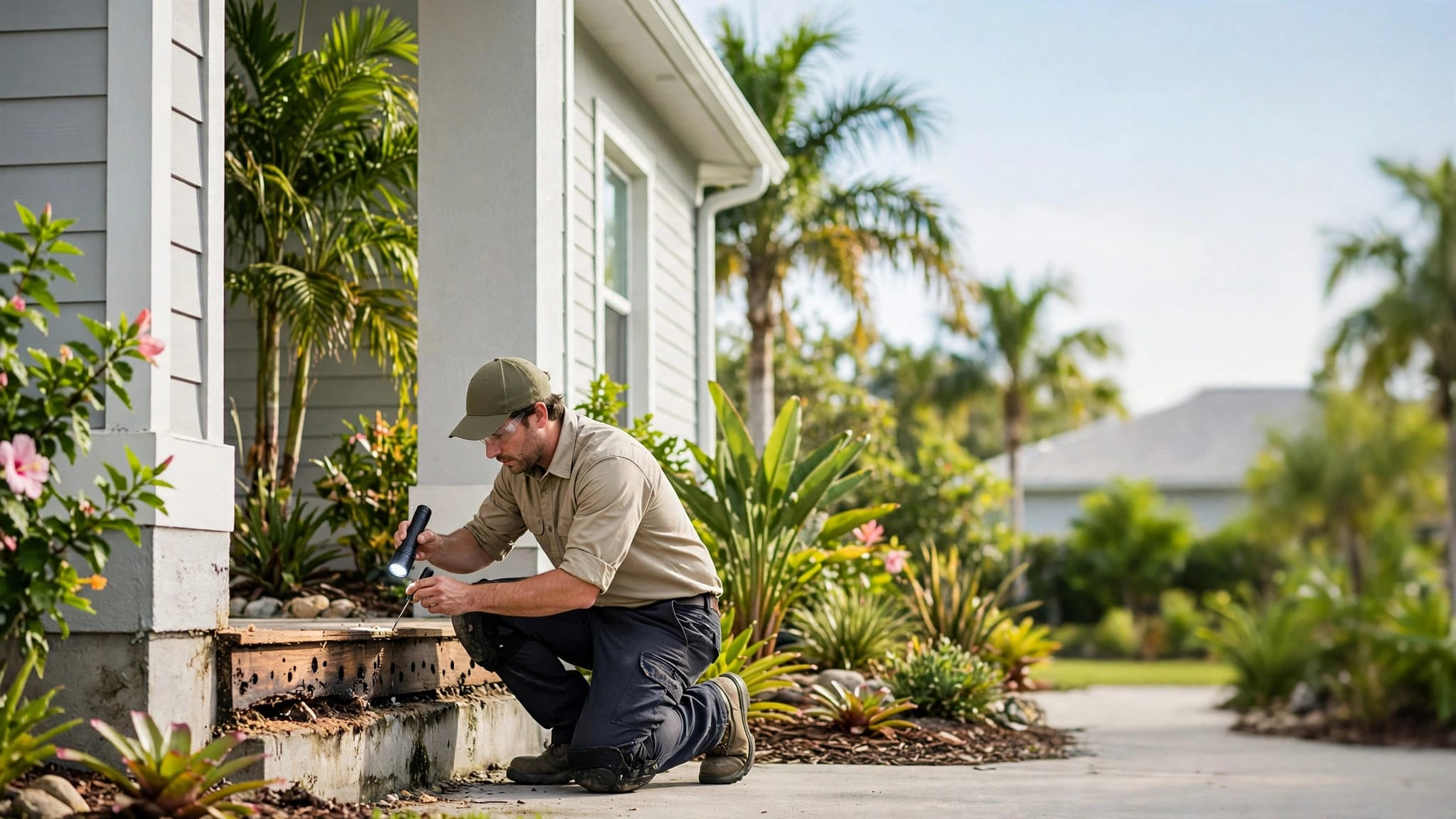
Termites, discarded wings, mud tubes, damaged wood, or repeated evidence around windows and doors require a professional inspection. Do not assume a general pest visit addresses termite concerns.
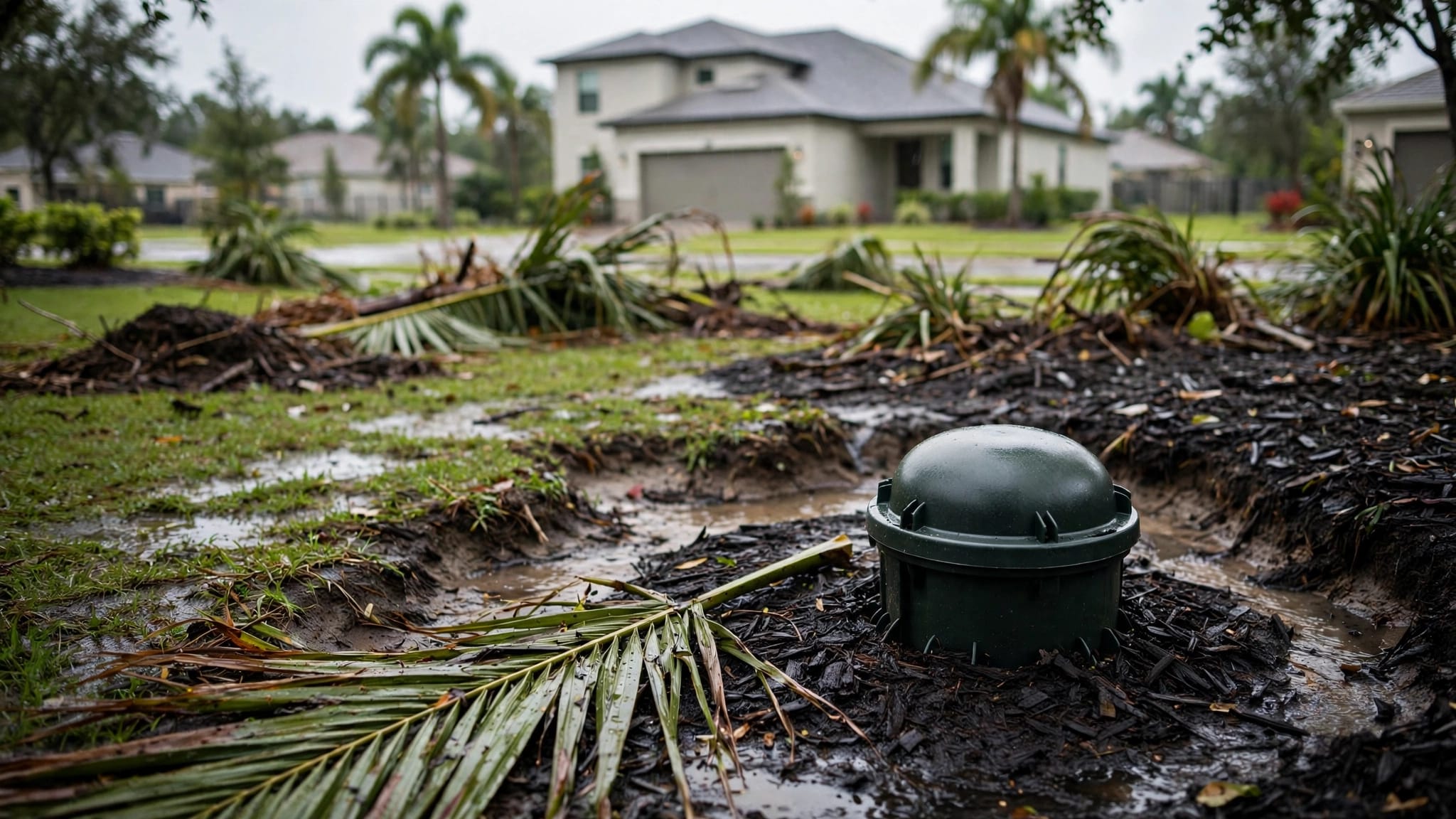
Mosquito problems usually require an exterior check. Remove standing water from containers, clogged drains, planters, gutters, and unused equipment. Inspect screens and doors, then ask the provider which outdoor conditions need correction.
A clean apartment can still have pest access. Check moisture, gaps, screens, landscaping, and shared building areas before approving the turnover.
Protect Residents, Pets, and Staff
Safety instructions should be written down and shared with everyone involved in the turnover. Residents and pets must follow the provider's preparation and re-entry directions, including any required time away from treated areas.
Keep children, pets, food, dishes, medications, and personal-care items away from treatment areas as directed. Fish tanks, reptile enclosures, and other sensitive equipment may need special instructions. Never mix pesticides, transfer products into another container, or use a fogger to solve an unidentified infestation.
Maintenance teams should avoid disturbing bait stations, monitors, traps, or treated areas during cleaning. If a product label or provider instruction differs from a standard turnover routine, follow the label and the provider's written direction.
Before move-in, confirm that treated surfaces are ready for occupancy, the apartment has been cleaned according to instructions, and no equipment remains where a resident or pet could reach it.
Document Every Finding and Follow-Up
Good documentation prevents repeated inspections and gives the next technician a useful history. Create one record for each unit, even when the inspection finds no visible activity.
Record:
- Unit number and inspection date
- Vacant-unit condition and previous resident reports
- Pest evidence, room location, and photographs
- Moisture problems, damaged screens, gaps, and repair requests
- Treatment date and areas addressed
- Preparation and re-entry instructions provided
- Monitoring devices or traps left in place
- Follow-up date and unresolved concerns
Photographs should show the surrounding area as well as the close-up evidence. Include a written note when a condition could not be inspected because an appliance, cabinet, or storage area remained inaccessible.
A final sign-off should confirm that repairs, cleaning, treatment, and follow-up are complete. If activity remains, keep the unit on hold until the responsible professional explains the next step.
Key Takeaways for Property Managers
- Inspect after move-out and before deep cleaning.
- Check under sinks, behind appliances, inside cabinets, around drains, and along baseboards.
- Look for pest evidence and the conditions that support it.
- Repair leaks, damaged screens, door gaps, and utility openings.
- Treat suspected bed bugs, termites, and rodents as professional-service concerns.
- Follow product labels and provider instructions for preparation and re-entry.
- Keep residents, children, and pets away from treatment areas as directed.
- Photograph findings and document every repair, service, and follow-up.
- Do not approve move-in while significant activity or unresolved safety instructions remain.
Florida Apartment Turnover Pest Control FAQ
When should an apartment receive pest control during turnover?
Begin with an inspection immediately after the unit is empty. Complete repairs and preparation before treatment, then schedule a final check before the next resident moves in. The exact timing depends on the pest, treatment method, preparation requirements, and provider instructions.
Should every vacant apartment receive treatment?
Every vacant apartment should receive a documented inspection. Treatment should follow the findings, property history, resident reports, and conditions around the building. A broad treatment without identifying the pest or source may leave moisture, entry points, or an established infestation unresolved.
What signs require professional pest treatment?
Call for professional help when you find repeated cockroach evidence, a growing ant trail, rodent droppings or odors, suspected bed bugs, termite signs, or mosquito activity linked to persistent standing water. A problem that returns after cleaning or a basic service also needs a closer inspection.
Can maintenance handle apartment turnover pest control alone?
Maintenance can remove attractants, correct leaks, repair screens, seal approved openings, clean accessible areas, and document conditions. A qualified pest professional should identify infestations, recommend treatment, explain preparation and re-entry requirements, and determine whether follow-up is needed.
Conclusion
A successful apartment turnover leaves more than clean floors and fresh paint. It removes the food, water, shelter, and access points that allow pests to remain after one tenant leaves.
Use the vacancy period to inspect carefully, correct building conditions, coordinate treatment, and document the final result. That process gives the next resident a cleaner start and helps property teams catch small pest problems before they become recurring complaints.
Schedule a Free Inspection: