What to Expect During a Florida Termite Reinspection
Seeing a technician return after a termite treatment can leave you wondering whether the first visit missed something. A Florida termite reinspection is often a planned follow-up, though it may also respond to new evidence or a service agreement requirement. The reason for the visit determines what the inspector checks.
You don't need to know every termite species to prepare. You do need to know what prompted the return, which areas will be accessible, and what you'll receive afterward.
Why a Florida termite reinspection happens
A reinspection starts with a question about your property: Has activity changed since treatment? Are new signs connected to an earlier finding? Does a termite service contract require another visit? The answer shapes the inspection.
How it differs from the first inspection
An initial termite inspection establishes what the professional can observe at that point. The inspector may look across accessible parts of the home for evidence of termites, other wood-destroying organisms, damage, and conditions that could support activity.
On a return visit, the technician can compare current conditions with earlier photos, treatment records, and notes. A previously documented mud tube or damaged door frame gives them a place to start. Depending on the reason for the visit, they may also check other accessible areas. Don't assume a focused follow-up includes a fresh examination of every part of the property.
Reasons someone may request another look
Your pest company may schedule a check under a treatment plan or warranty. You might call after finding new wings, pellets, or damaged wood. A buyer or seller may also need updated information after an earlier inspection, especially if the property has changed.
These situations don't all require the same service or paperwork. Before booking, tell the company what you found and ask whether you're scheduling a treatment follow-up, a contract inspection, or a new Wood-Destroying Organisms (WDO) inspection.
What the inspector may check during the visit
The technician will usually begin with the concern that brought them back. What they inspect next depends on the suspected termite type, the building's construction, safe access, and the work already performed.
Accessible areas and visible evidence
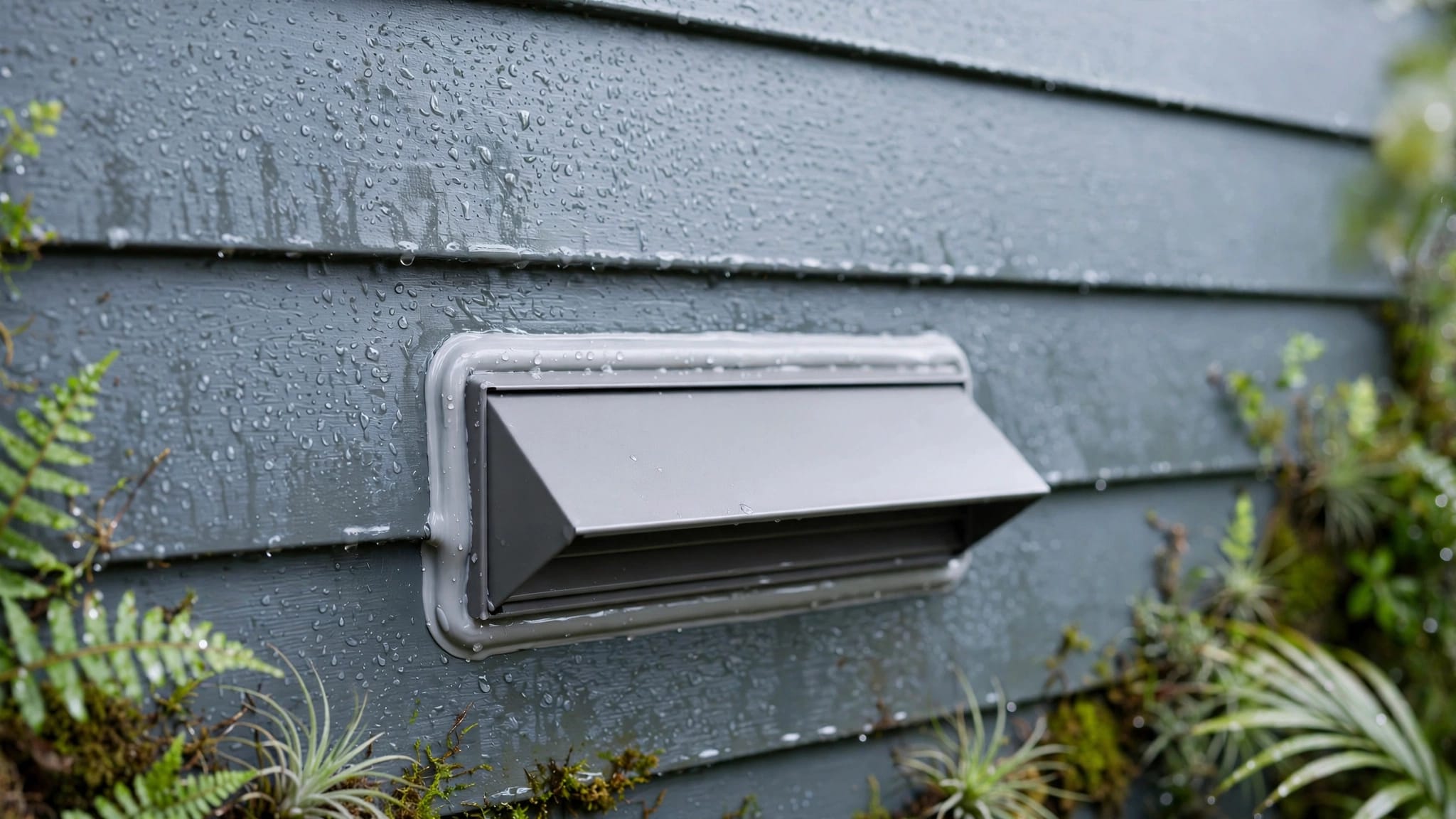
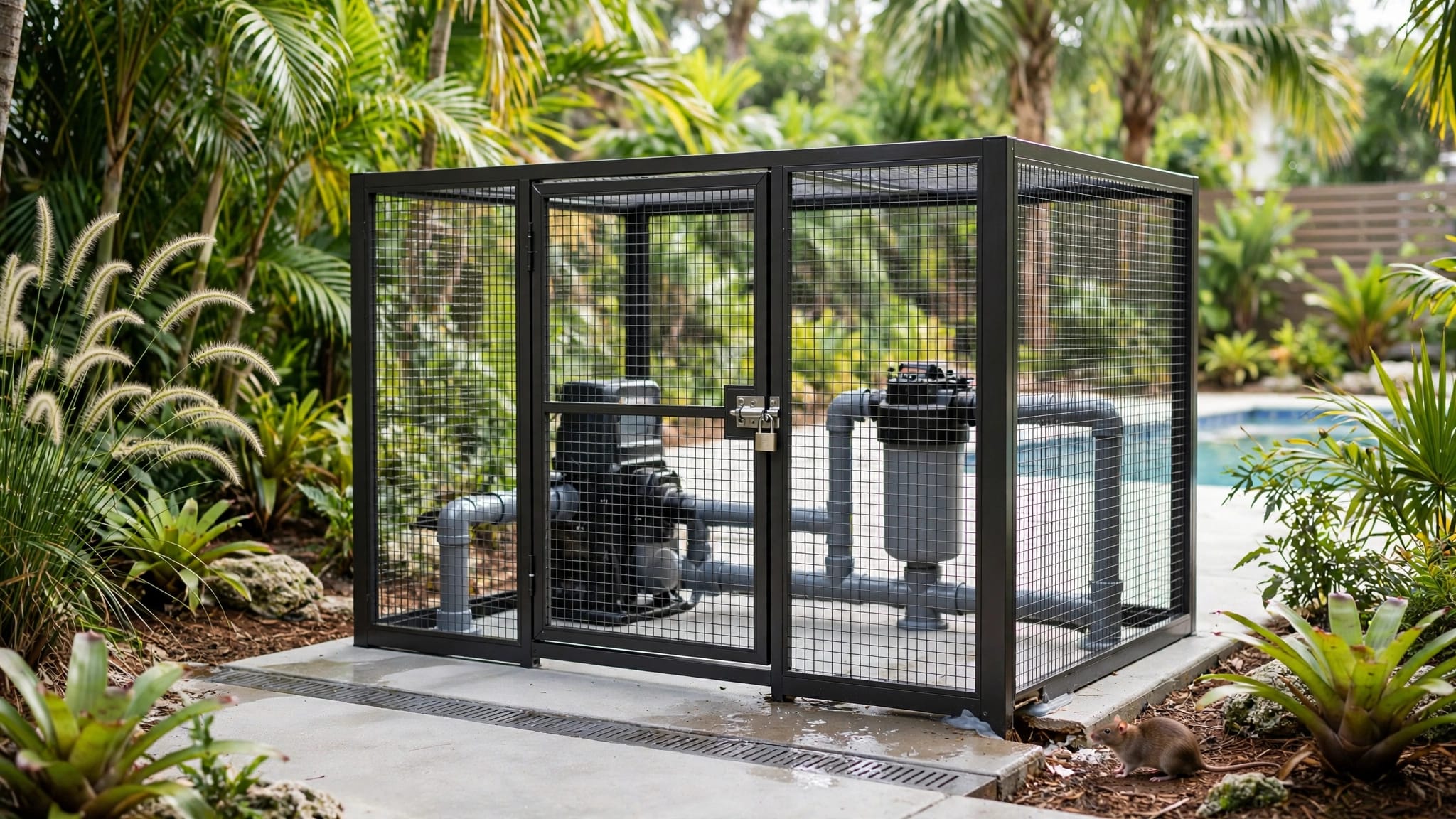
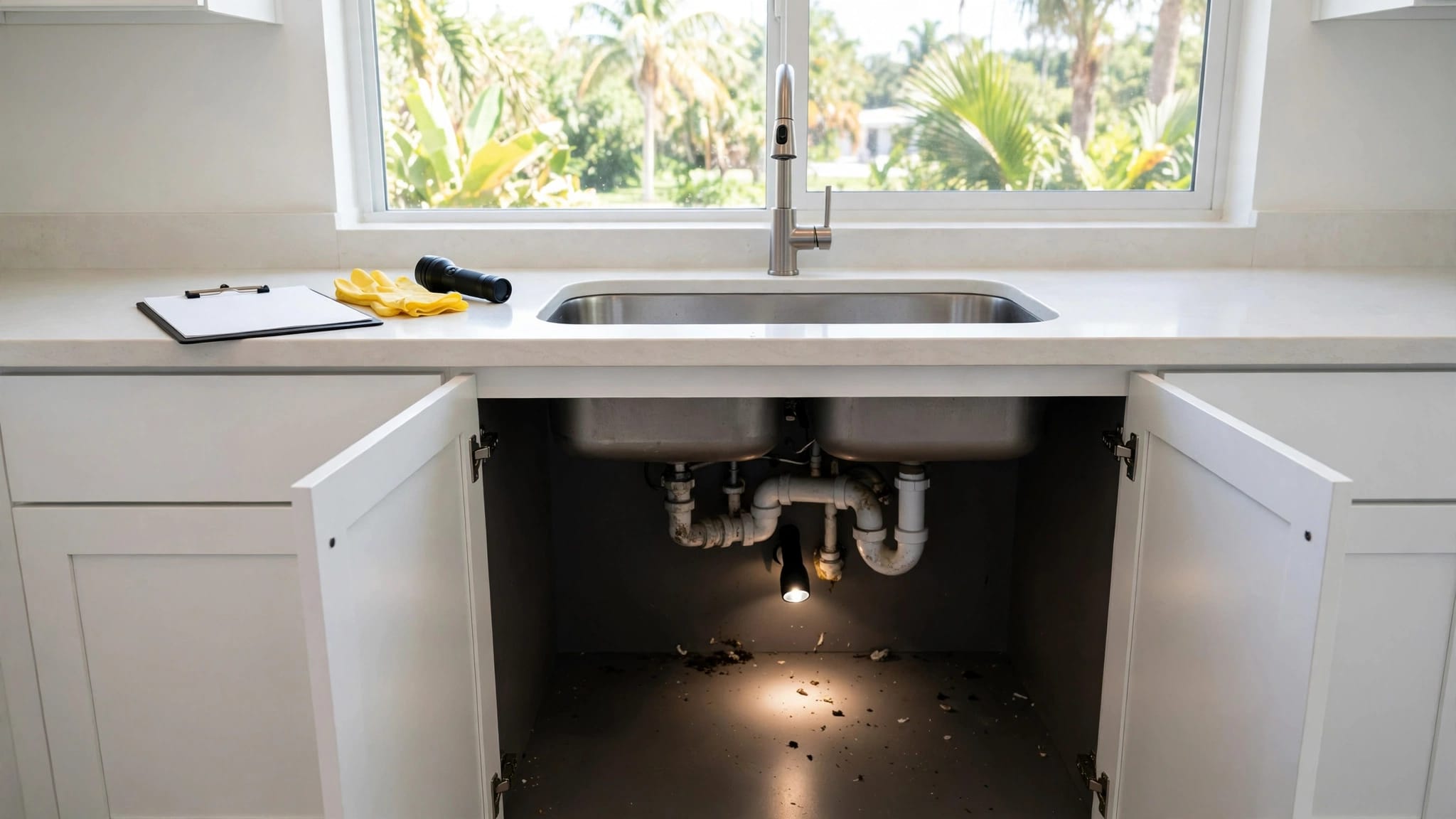
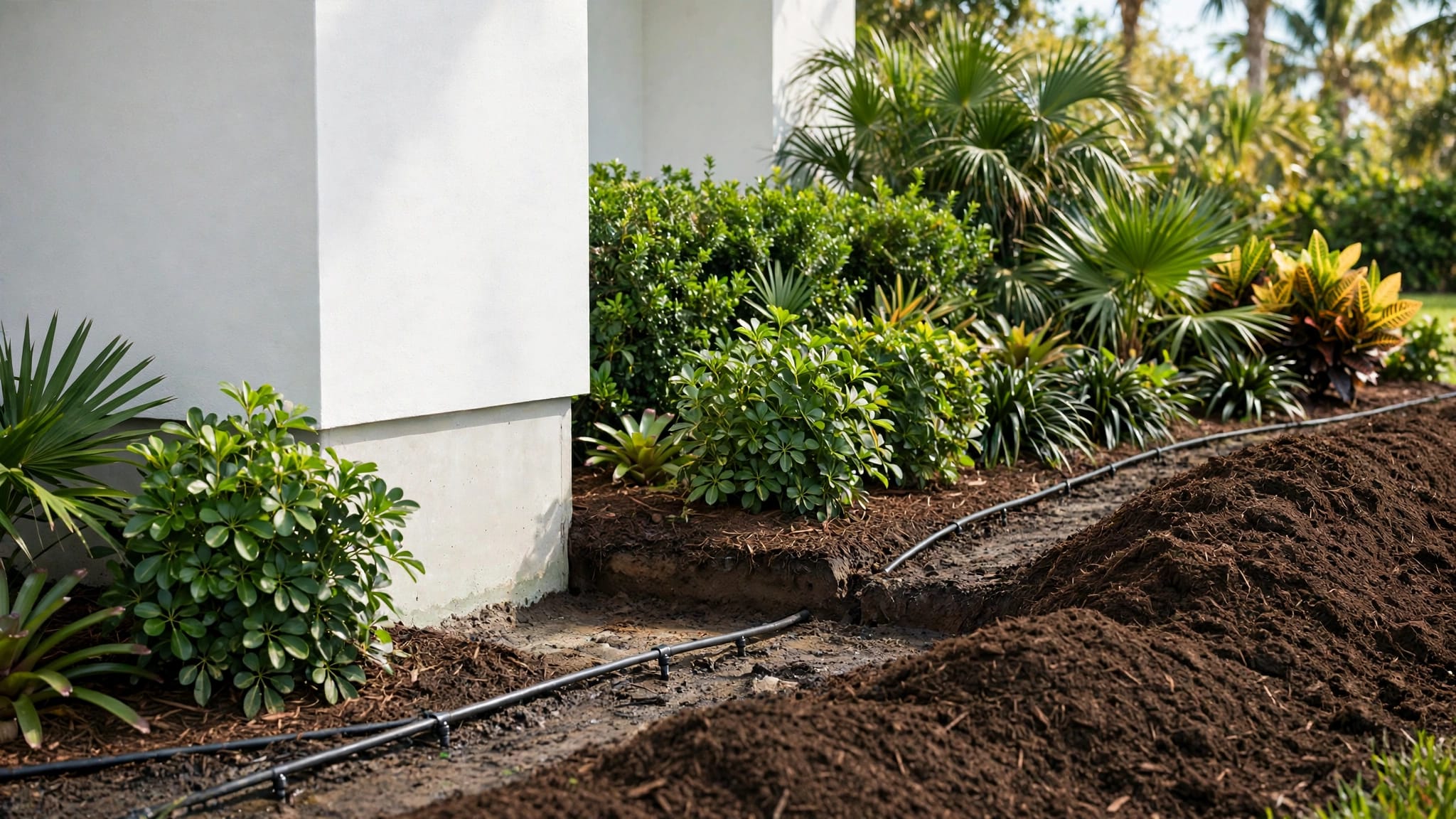
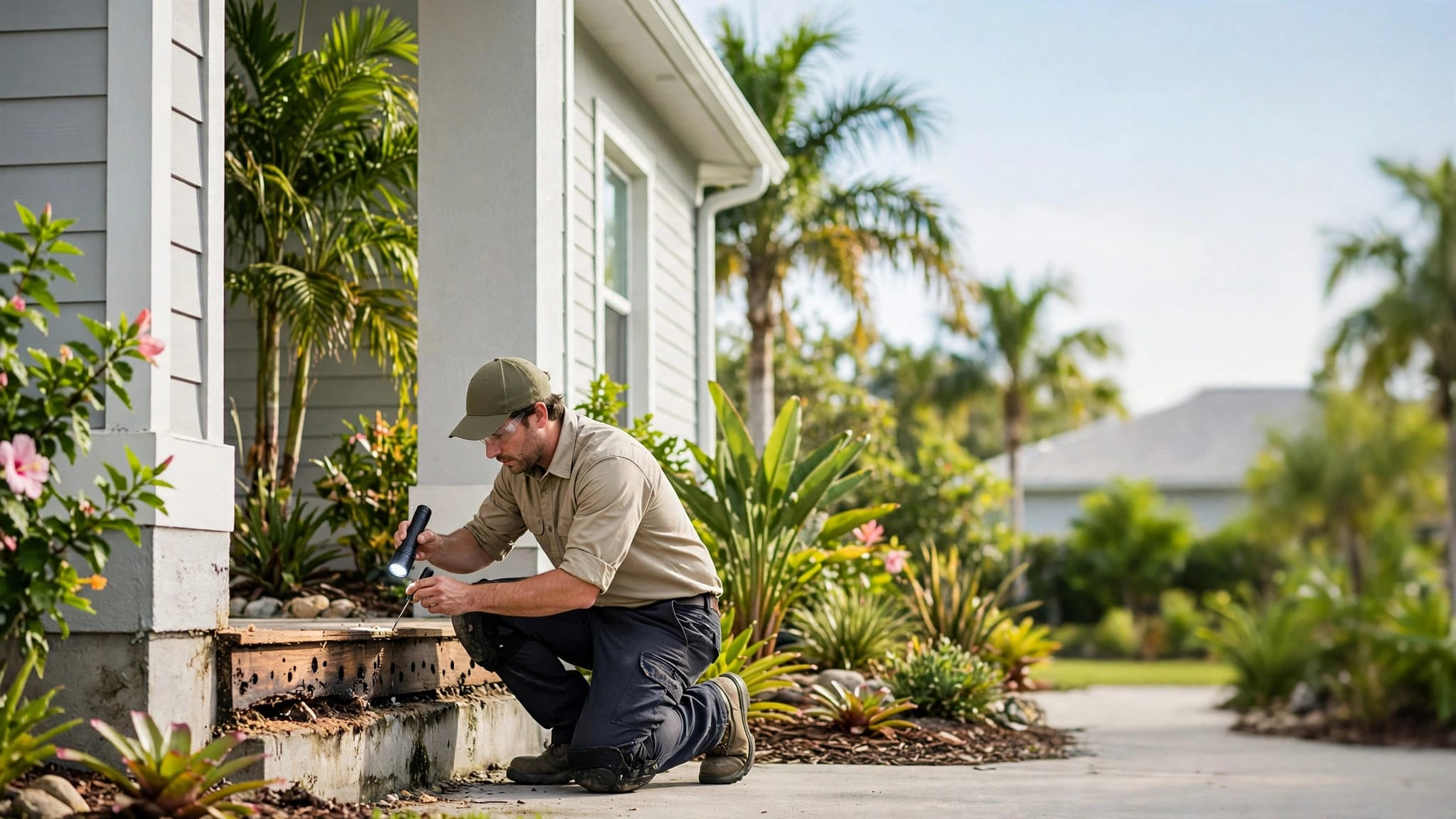
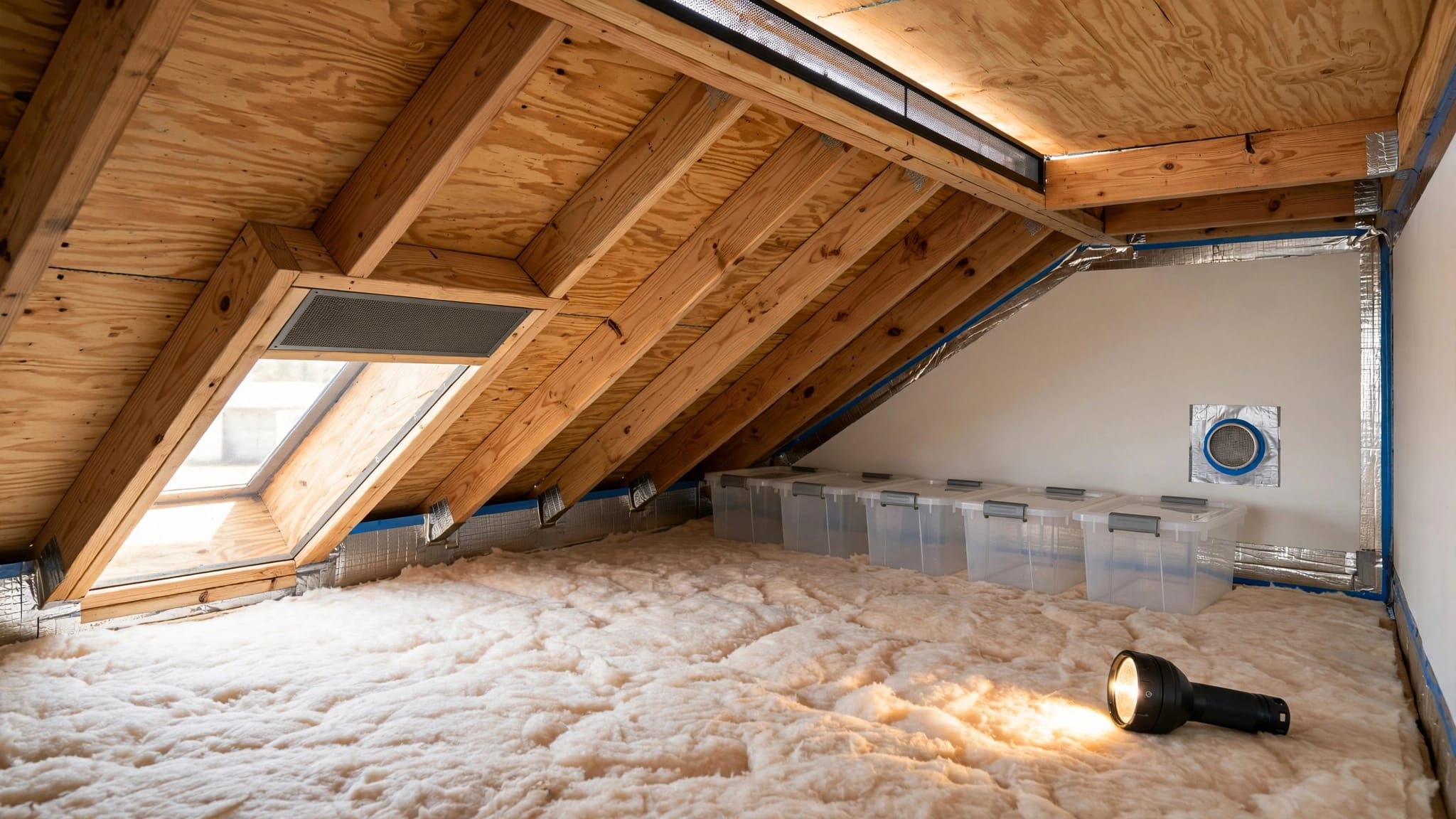
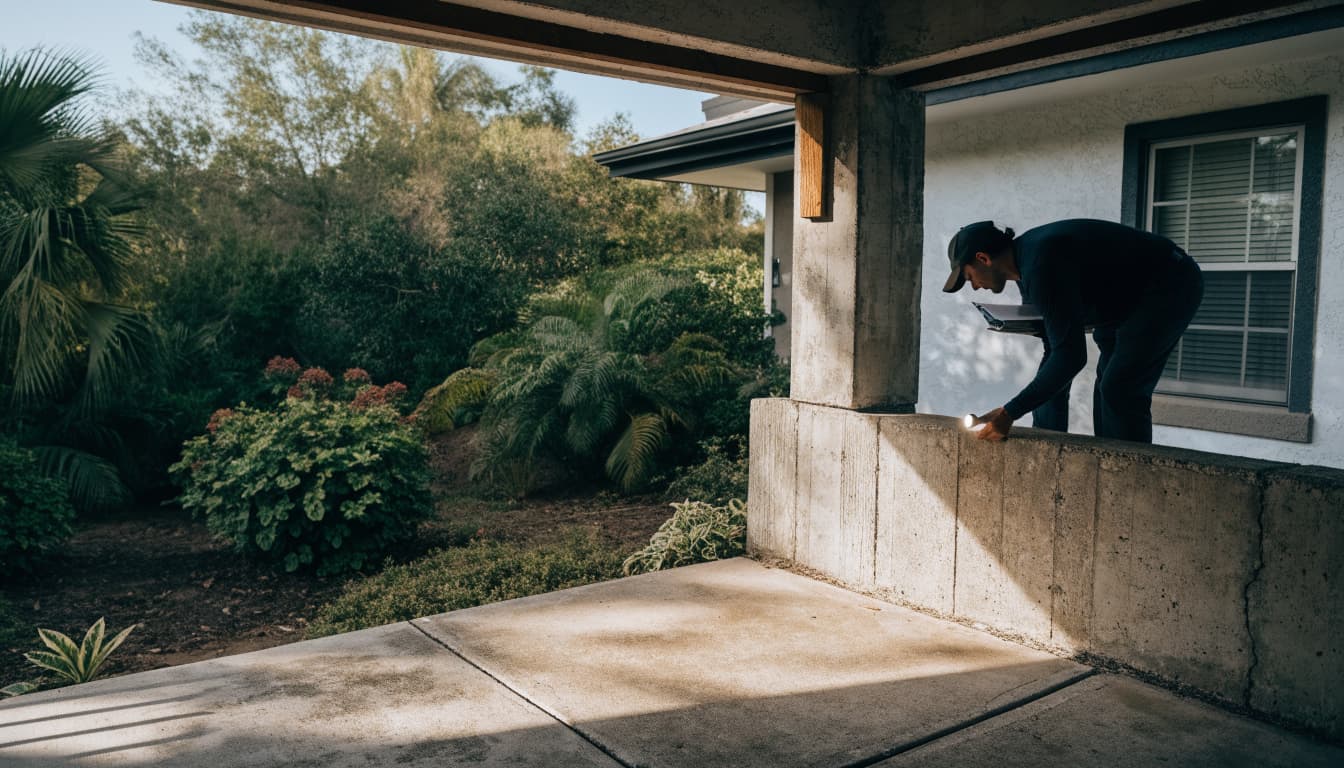
A Southwest Florida home may have several areas worth checking: the slab edge, garage, lanai, door frames, window trim, attic, or accessible crawl space. Outside, the inspector may examine wood near the house, plumbing penetrations, and places where landscaping blocks the foundation. They may use a flashlight or other inspection tools where conditions warrant them.
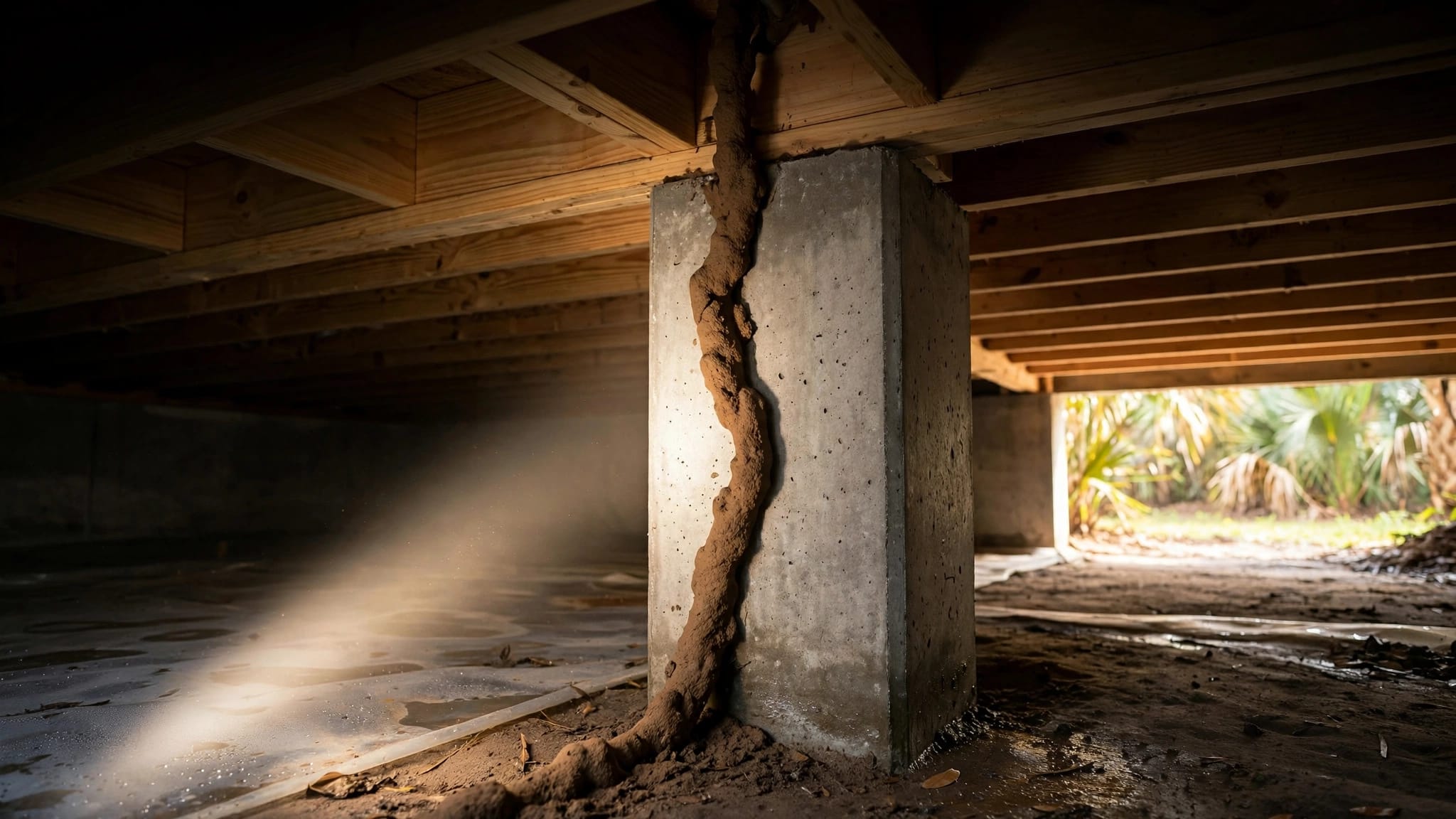
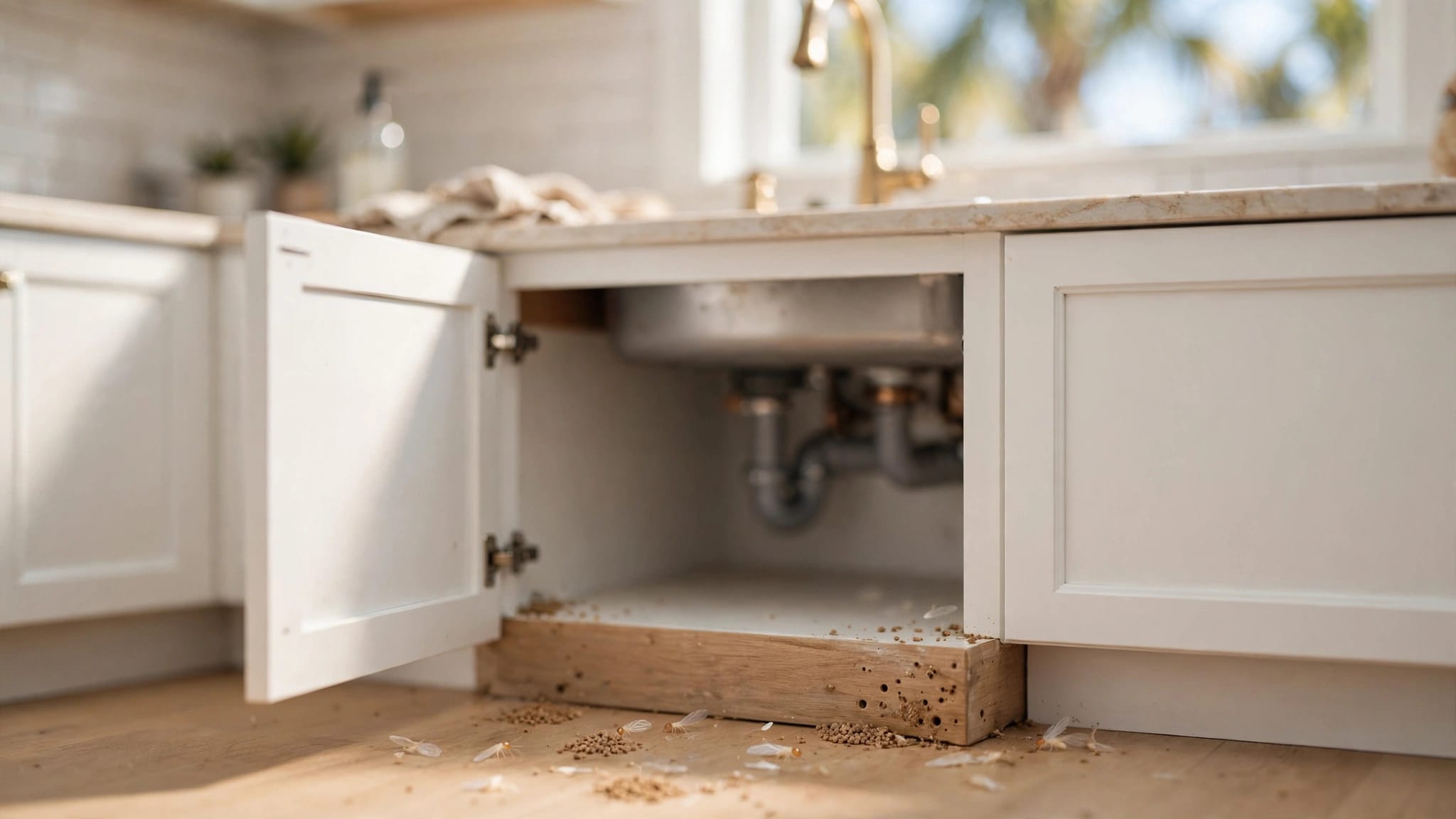
The evidence also varies. Subterranean termites can leave shelter tubes. Drywood termites may leave pellet-like droppings, often called frass. Discarded wings, damaged wood, and live insects can provide clues, but identification matters. Moisture near a leak or irrigation line may also affect the assessment. A stain or soft board alone doesn't establish termite activity.
Previous findings and treatment areas
If treatment occurred, the inspector may revisit the original evidence and check nearby accessible areas. They may compare a photo of a tube, a marked treatment location, or earlier notes with what they see now. Tell them about fresh debris, new leaks, renovations, or landscaping changes since the last visit.
Old damage can remain after successful treatment. Ask what evidence supports any finding of current activity , rather than judging by the damage alone.
Some wall cavities, covered framing, and blocked foundation sections won't be visible. The inspector should explain which limits matter to the finding.
How the treatment plan affects follow-up
Termite treatments don't all have the same monitoring needs. The company should explain what its plan calls for, rather than giving every household the same return-visit schedule.
Subterranean termite treatments
A home with a bait system may need ongoing station checks under its service agreement. The technician may inspect stations and consider new signs at the structure. A property treated with a liquid application may call for a different follow-up, focused on reported activity, accessible entry areas, or contract requirements.
A new mud tube deserves a call to the provider, but don't break it open or spray it before the visit. Photograph its location first. That gives the inspector a better record of what appeared and where.
Drywood termite treatments
Drywood termite evidence often appears in trim, framing, or another wood member rather than at the soil line. If you notice fresh-looking pellets after a localized treatment, tell the company exactly where and when you found them. Save a photo and leave the area undisturbed if possible.
The inspector may need to distinguish old material from evidence that appeared after treatment. Depending on the findings, the response could involve further inspection, treatment, or no immediate work. A reinspection doesn't automatically mean fumigation or another treatment is necessary.
How to prepare without hiding the evidence
A little access helps more than a hurried cleanup. Locate your previous inspection report, treatment paperwork, warranty, and any photos you've taken. Note when you first noticed the new sign and whether it has changed.
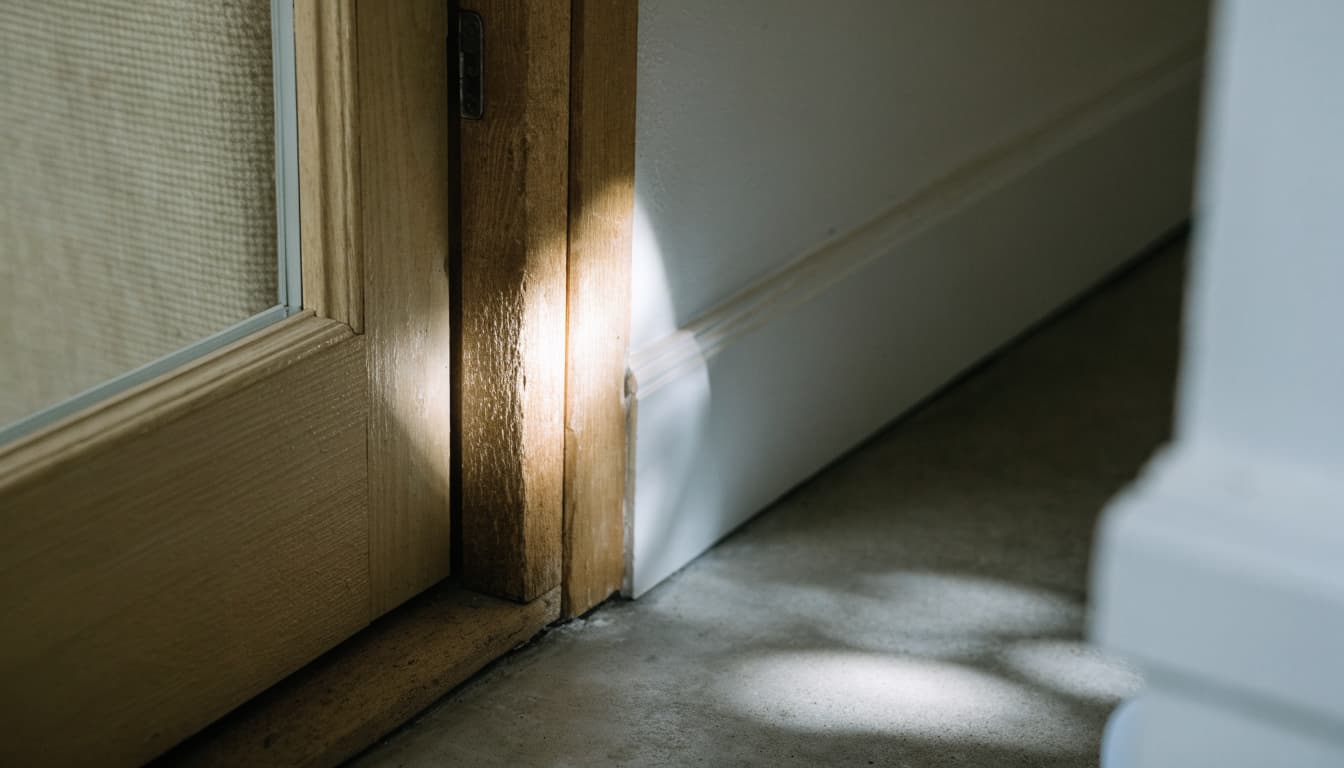
Move stored items away from the affected wall or accessible foundation edge when you can do so safely. If the concern is in an attic, garage, or gated side yard, ask the company what access it needs. Mention locked areas, pets, tenants, or association-controlled spaces when scheduling.
Leave suspected tubes, pellets, and damaged trim in place until the technician sees them. Don't open a wall, apply household insecticide, or seal an apparent entry point first. If water is leaking, report it and address the leak promptly; tell the inspector what changed.
Before the appointment, ask what the inspection will cover and who will perform it. Confirm whether the visit has a fee and whether you'll get written findings.
What the findings can and cannot tell you
A useful reinspection gives you a clear account of the evidence, the areas checked, and the next step. It should also leave room for uncertainty when the evidence doesn't support a firm answer.
Activity, old damage, and possible look-alikes
Ask the technician to point out each finding and explain its meaning. Visible damage shows that wood has been affected; it doesn't, by itself, date the damage or prove termites are still present. Likewise, a pile near a window needs proper identification before anyone chooses a treatment.
If activity is suspected, ask which termite type the evidence suggests and whether the inspector saw live insects. Wood decay, other insects, and water damage can call for different responses. For a repair question involving structural wood, a qualified contractor may need to assess the damage separately.
The limits of a visual check
A report of "no visible evidence" describes what the inspector could observe in accessible areas on that visit. It isn't a guarantee about wood behind finished walls, under flooring, or inside a blocked attic. Ask the inspector to identify any areas they couldn't examine and whether access to one of them would change the recommendation.
If a recommendation is unclear, request the reason in plain language: what was seen, where it was found, and what further check or treatment is proposed. That matters more than a brief verbal assurance that the house is "clear."
Paperwork, warranties, and home sales
The document you receive depends on the service you requested. A return visit under a termite agreement isn't automatically a new real-estate WDO inspection.
Check the service agreement
A termite bond or warranty may set inspection intervals, reporting duties, and conditions for retreatment. Some plans provide retreatment only; others may include limited repair coverage. Check the covered termite types, structures, exclusions, and any obligation to report new signs promptly. Florida termite warranty terms are more useful than the word "bond" alone.
After the visit, request a record of the date, inspected areas, findings, access limits, and recommended next steps. Keep it with your treatment records and photos. If additional work is proposed, ask whether the agreement covers it before authorizing service.
Know when a WDO report is separate
A Florida WDO inspection covers more than termites. It may address other wood-destroying insects and wood-decay fungi, while a general home inspection reviews different concerns. A WDO inspection and a home inspection shouldn't be treated as interchangeable.
Under Florida Statutes Section 482.226, a licensed provider conducting a WDO inspection for a real-estate transaction must use the prescribed report when it charges a fee or the customer requests a written report. That report records visible findings and inspection limits. If you're buying or selling, read the WDO report's details rather than relying on a short summary.
Florida's WDO reporting rules don't impose a universal reinspection requirement for a termite bond transfer. A provider may still require one under its agreement. Review termite bond transfer terms before a sale and confirm what the buyer, lender, and provider actually need.
Key Takeaways
- A reinspection may be a treatment follow-up, a response to new signs, or a contract visit. Confirm its purpose before scheduling.
- Give the inspector earlier records and access to the affected areas. Photograph new evidence without disturbing it.
- Ask which findings suggest current activity, which may be old, and what the inspector couldn't see.
- Keep the written result. For a home sale, confirm whether you need a separate WDO inspection and report.
Frequently Asked Questions
How long does a termite reinspection take?
There isn't one reliable duration for every Florida home. A visit focused on a known treatment area differs from a broader inspection of an occupied property with limited access. When you schedule, describe the home's size, the concern, and any areas that may be hard to enter. The provider can then tell you what time to allow.
Do I have to leave home for the reinspection?
An inspection alone doesn't necessarily require you to leave. Access arrangements and any safety instructions depend on what the company plans to do. If treatment might occur during the same appointment, ask for preparation and re-entry instructions before work begins. Don't assume inspection-day arrangements also apply to treatment.
What if the inspector finds more evidence?
Ask where it was found, whether the inspector can identify the organism, and what supports a finding of current activity. Then request the proposed next step and any cost or warranty decision in writing. If the evidence is in a shared wall or association-controlled area, contact the property manager about access and responsibility.
A clear next step after the visit
A return visit should leave you with a clearer picture of what changed since the first inspection. Keep the findings beside your earlier records, and follow up on any inaccessible area or recommended work.
If new signs appear later, photograph them and contact your termite provider. The best response starts with evidence from your home, not an assumption about what every Florida reinspection includes.
Schedule a Free Inspection: