How to Protect Florida Crawl Spaces From Termites
A mud tube beneath your floor can be the first visible clue that termites have been feeding out of sight. Protecting against Florida crawl space termites starts with finding their route into the house and making the area easier to inspect.
In Southwest Florida, moisture and hidden framing can give termite activity time to spread unnoticed. Early detection matters, but so does choosing prevention and treatment that fit the termite species and your home's construction.
Why Florida Crawl Spaces Need Close Attention
A raised home leaves floor joists, support posts, and foundation surfaces above soil that may stay damp after rain or irrigation. Plumbing runs and tight corners add places where a leak or termite trail can go unnoticed.
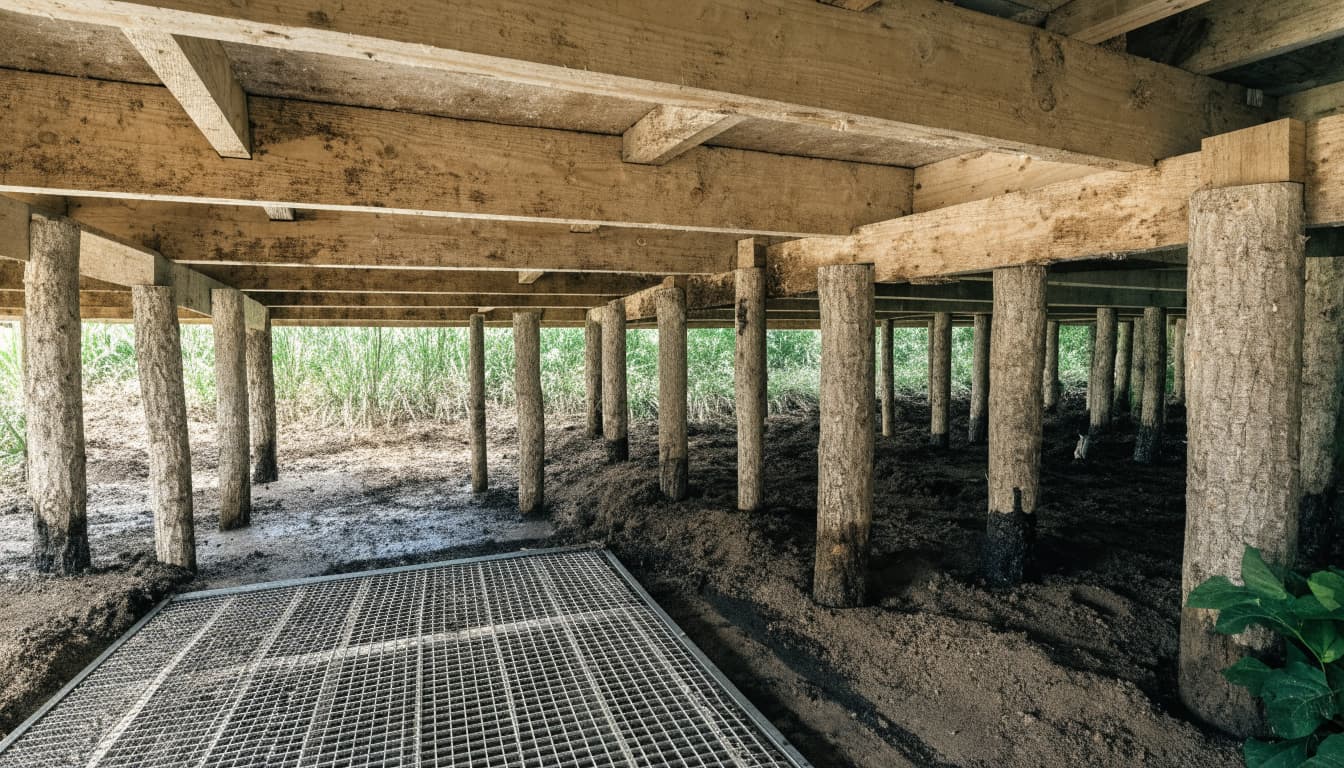
Subterranean termites approach from the ground
Subterranean termites live in soil and can build protective mud tubes across foundation surfaces to reach wood. They may also use cracks and openings around plumbing. You might see a tube on a pier, stem wall, or other surface beneath the house.
Wood touching soil or wet debris gives an inspector another area to examine. Yet a visible tube doesn't show the full extent of activity. Termites may have reached framing elsewhere before you find their trail.
Drywood termites leave different clues
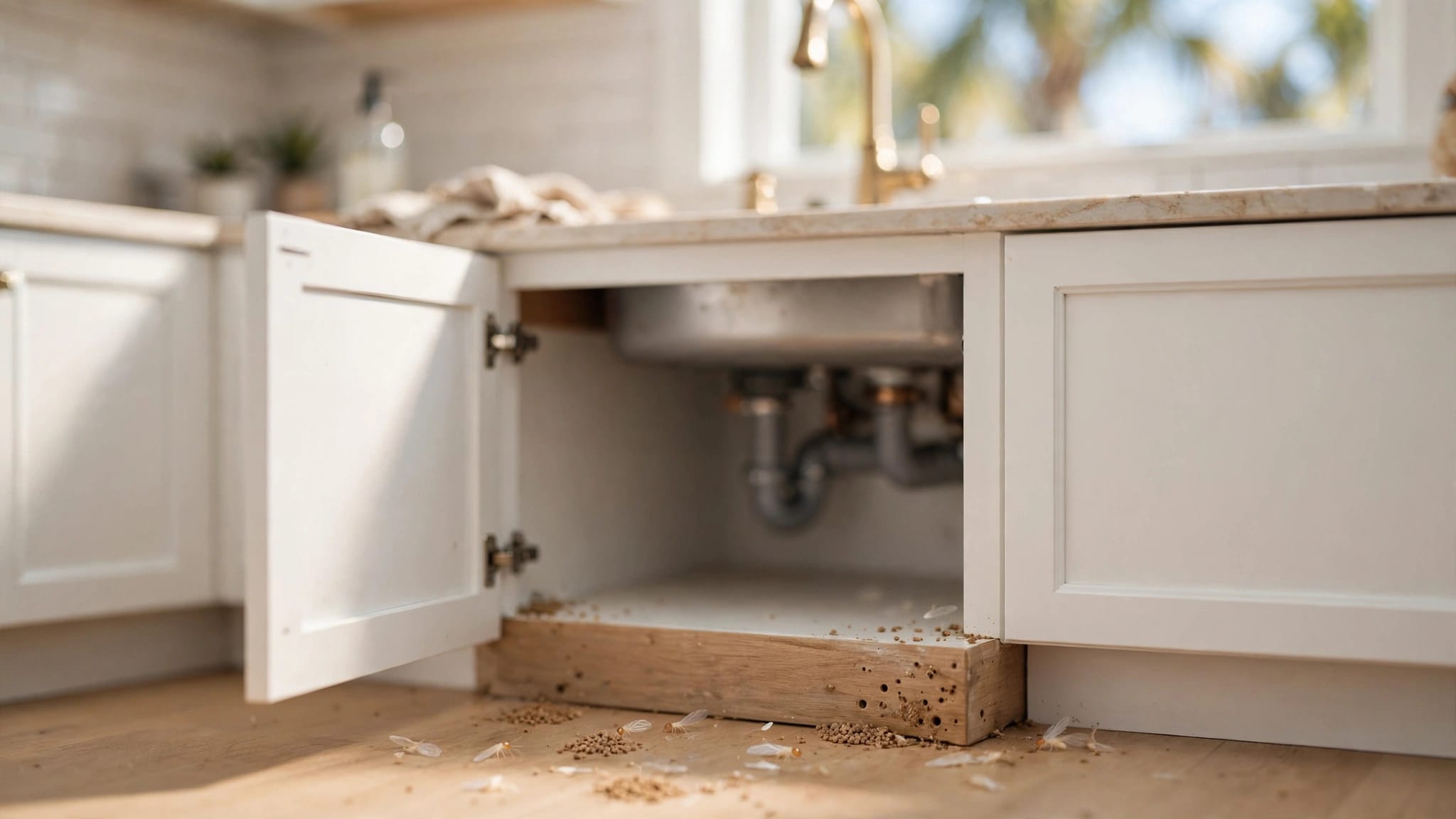
Drywood termites can infest wood without traveling through soil. Small, hard pellets beneath framing may be a clue, even when there are no mud tubes nearby.
That distinction changes the treatment plan. A soil-focused approach for subterranean termites won't automatically address an infestation inside a beam. The differences between drywood and subterranean termites are worth understanding before you compare treatment proposals.
How to Spot Florida Crawl Space Termites
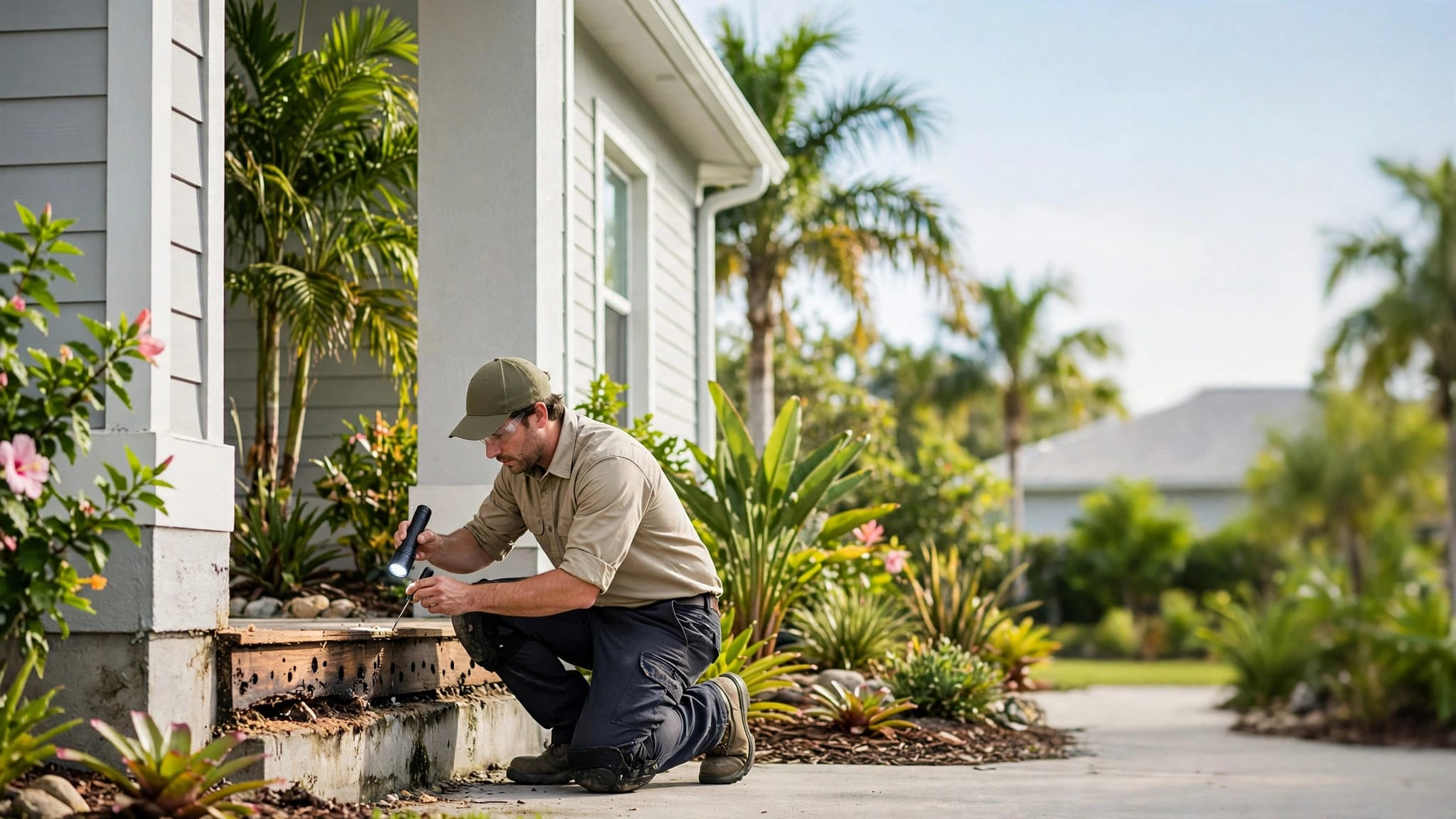
You don't need to identify a species yourself. Instead, look for changes, record where you found them, and leave suspicious areas accessible for an inspector.
Check for trails, wings, and pellets
Look along foundation piers and walls for narrow, soil-colored tubes. Also check beneath exposed wood for pellet piles and around nearby doors or windows for discarded wings. Winged termites can turn up indoors, even when the first concern is under the house.
These clues need context. Old tubes can remain after previous activity, and other insects also swarm. Take a clear photo, note the location, and avoid scraping away every trace before the inspection.
Pay attention to damaged wood
Soft trim, a sagging floor, or wood that sounds hollow when tapped deserves attention. Still, moisture damage can look similar, so appearance alone won't tell you what caused it.
For a closer look at clues elsewhere in the house, see these signs of termites in a Cape Coral home. Don't pull apart suspected structural framing to investigate. If a floor or support appears unsafe, keep people away and have a qualified professional assess it.
Keep Water Away From the Crawl Space
Water control helps protect wood and makes new termite evidence easier to see. Start outside the crawl space, where rainwater, irrigation, and drainage problems often begin.
Fix the source of dampness
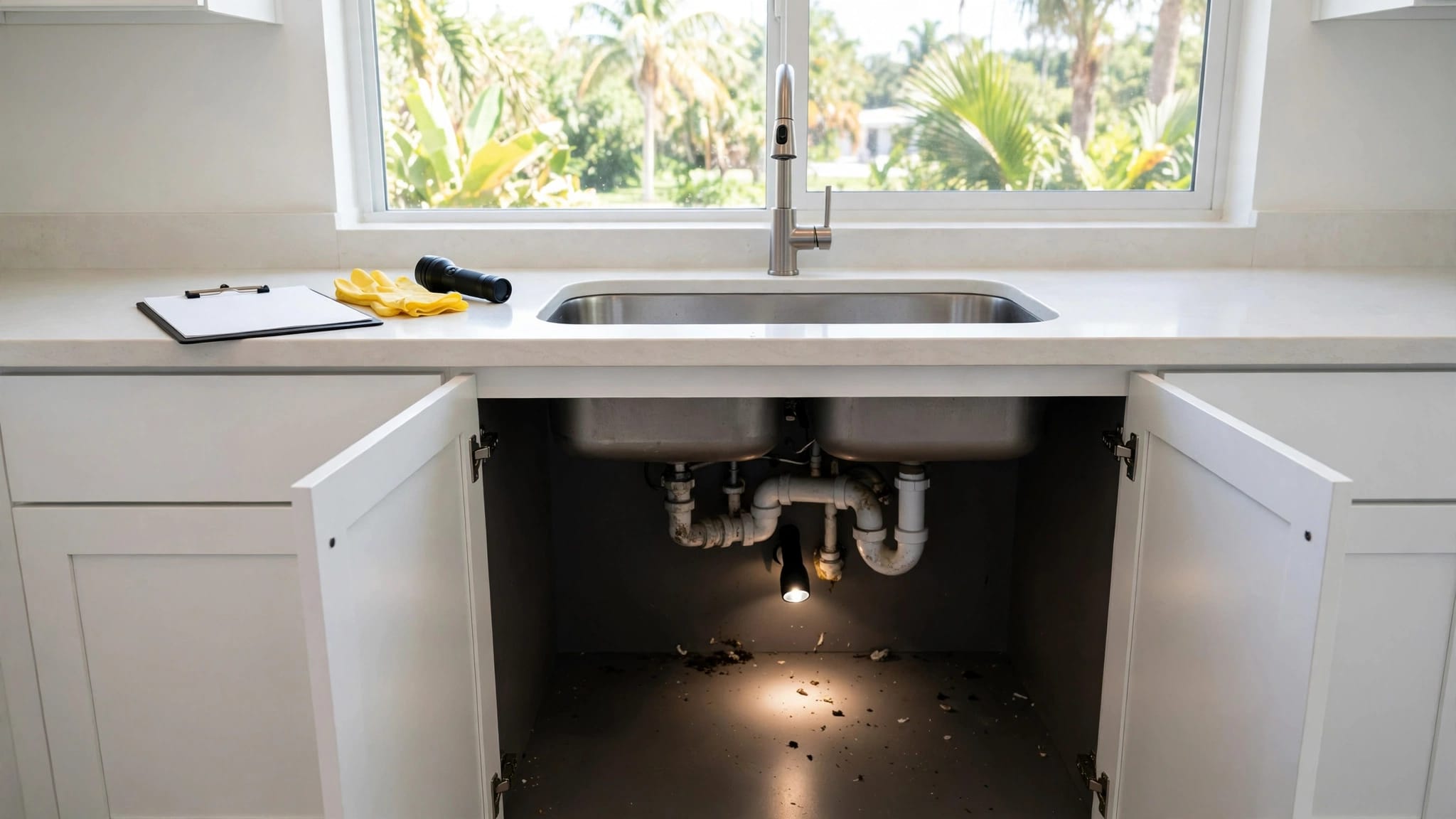
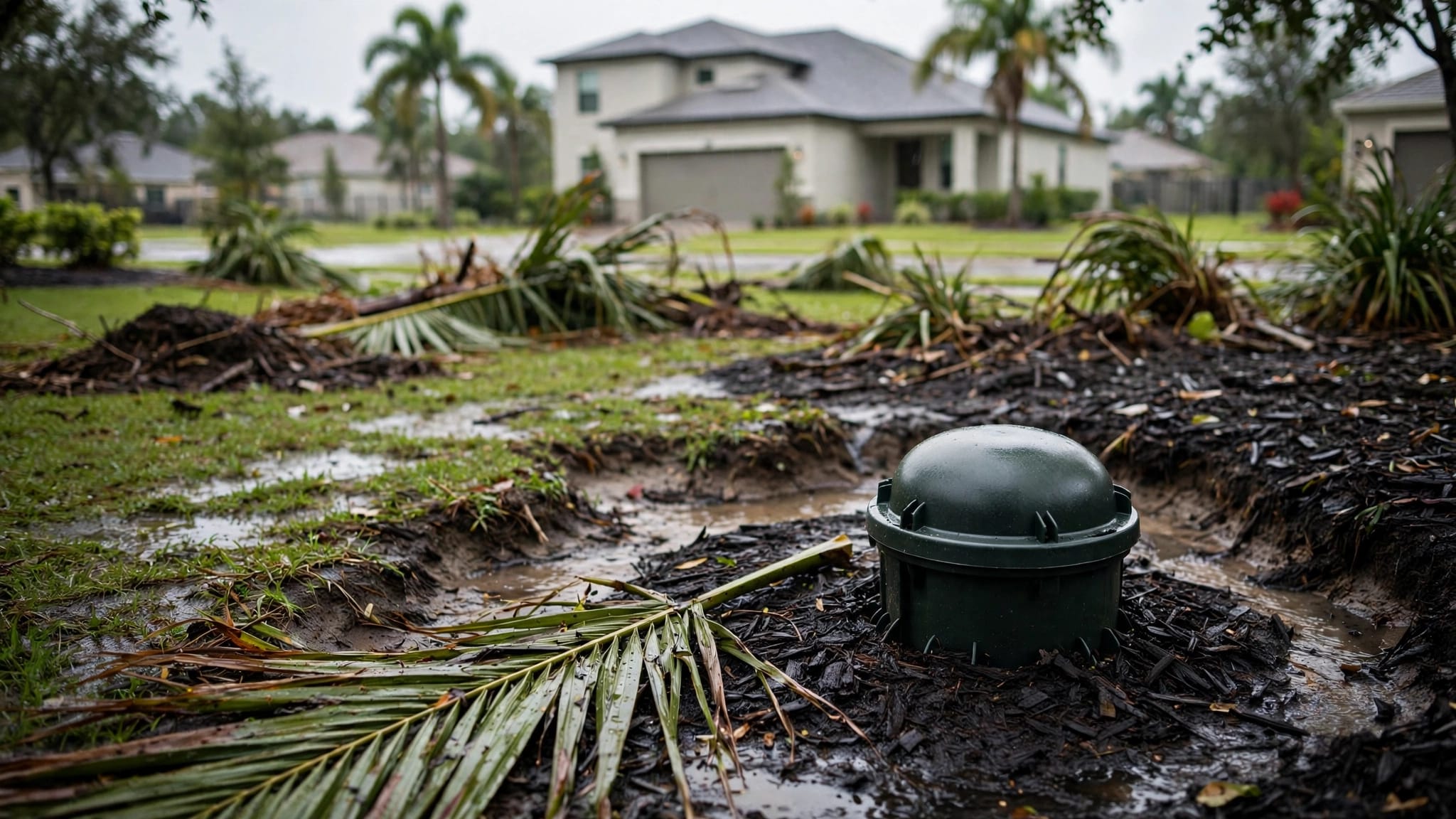
Repair plumbing leaks promptly, including slow drips beneath the floor. Keep gutters clear and check whether downspouts direct water toward the foundation. After a heavy rain, look for standing water near crawl-space openings and note where it collects.
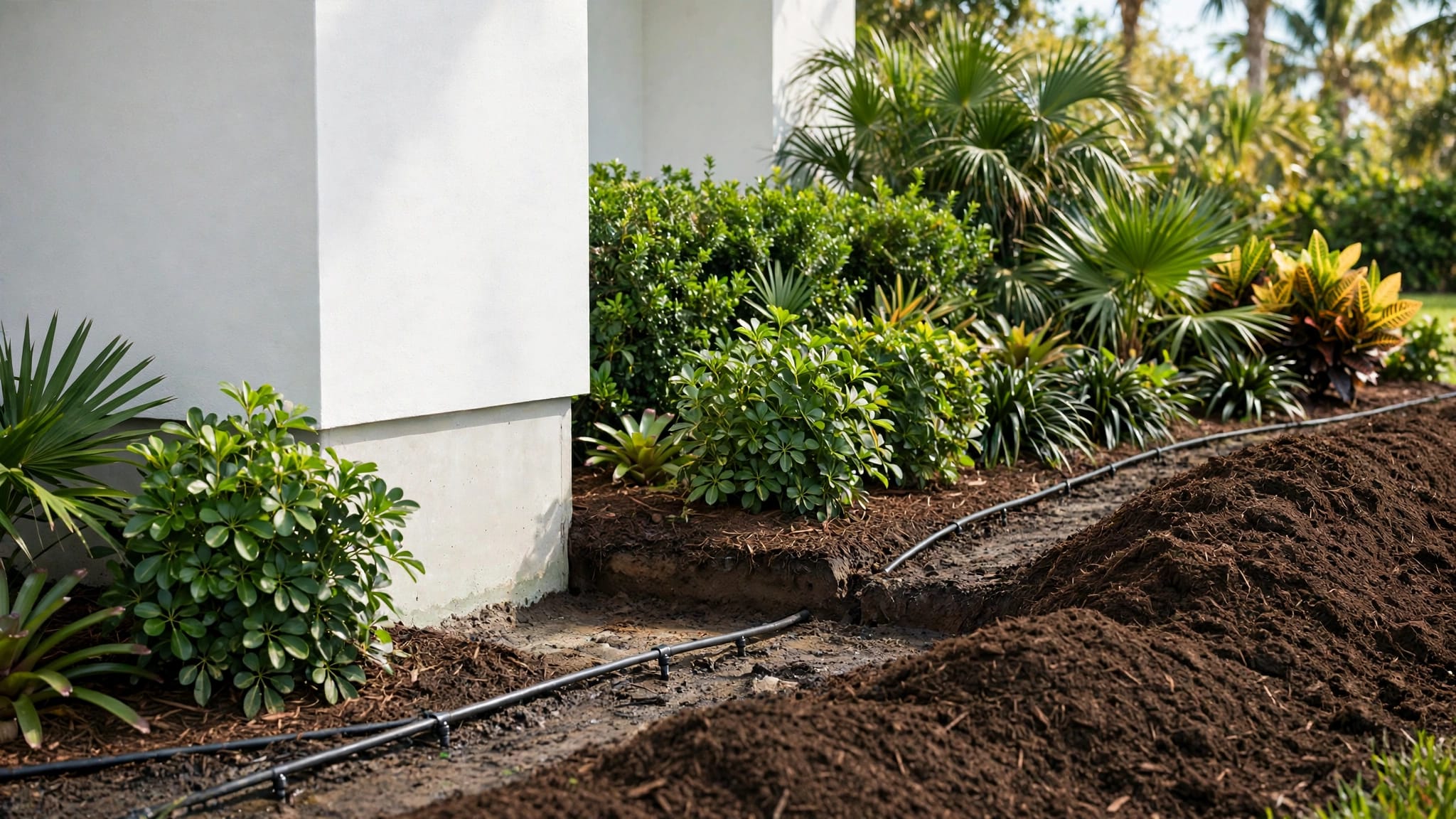
Irrigation deserves a check, too. A sprinkler that repeatedly wets a foundation wall can keep one area damp even when the rest of the yard looks dry. If water continues to collect under the house, ask a qualified drainage or building professional to identify the cause before covering the problem.
Keep moisture work separate from termite treatment
Drying a wet area doesn't remove an active colony. Likewise, applying a termite product won't repair a leak. Both problems need attention when they occur together.
Avoid closing off vents or making major crawl-space changes based on a single damp reading. The right moisture approach depends on the structure, its existing ventilation, and where water enters. Preserve inspection access while arranging any repairs.
A dry crawl space is easier to inspect, but dryness alone can't rule out termites inside the wood.
Remove Easy Routes and Hiding Places
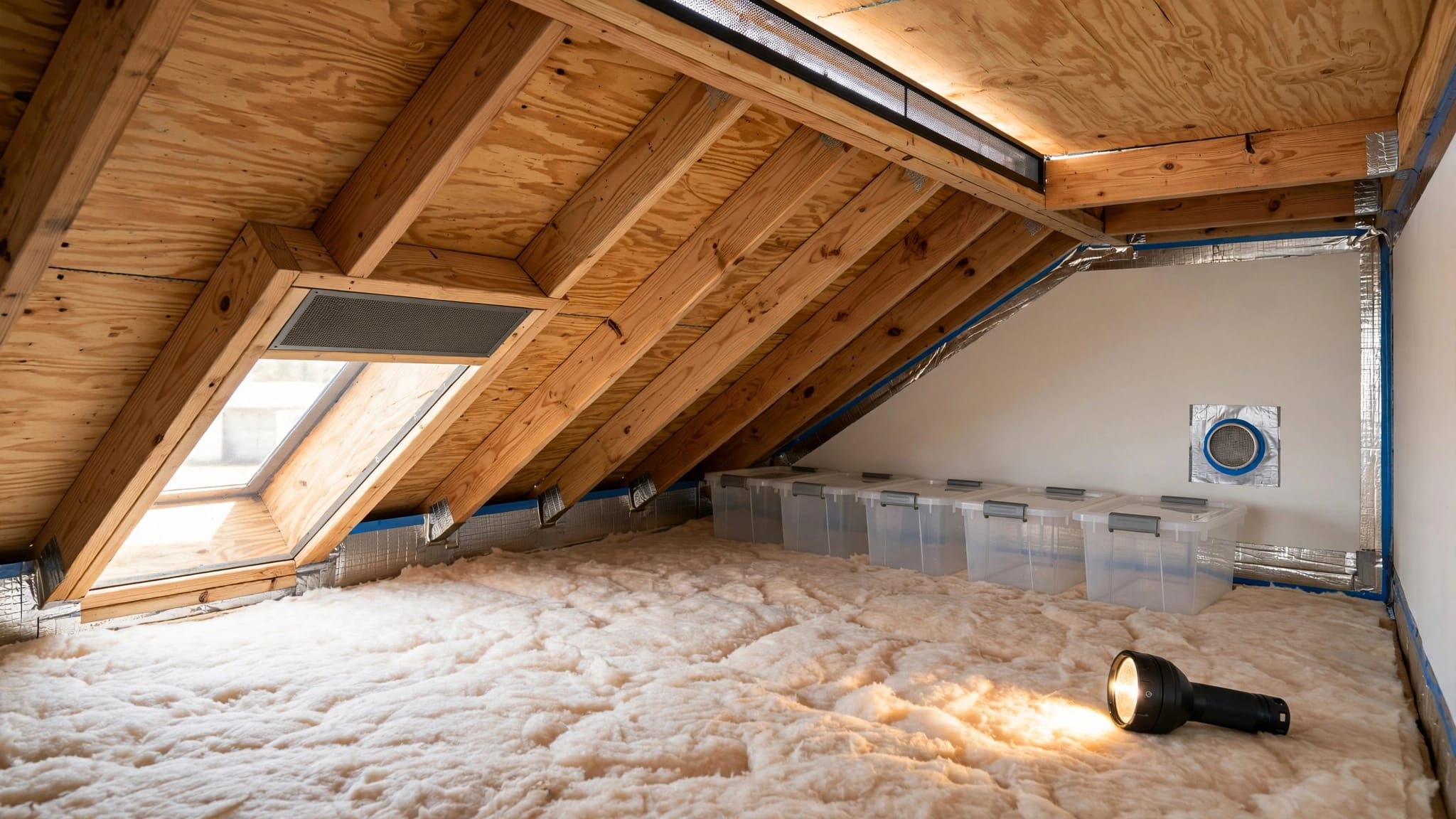
Crawl-space housekeeping has a practical goal: let you and your inspector see the foundation and exposed wood. It also removes materials that can hide moisture and termite trails.
Clear wood and debris from beneath the house
Remove scrap lumber, cardboard, and stored firewood from the crawl space. Outside, keep mulch and stored wood from touching siding or exposed framing. Trim dense growth where it blocks the lower walls.
Don't cover foundation edges with new landscaping or stored materials. Clear sightlines make it easier to notice a mud tube or a fresh leak during a routine check.
Repair openings without hiding evidence
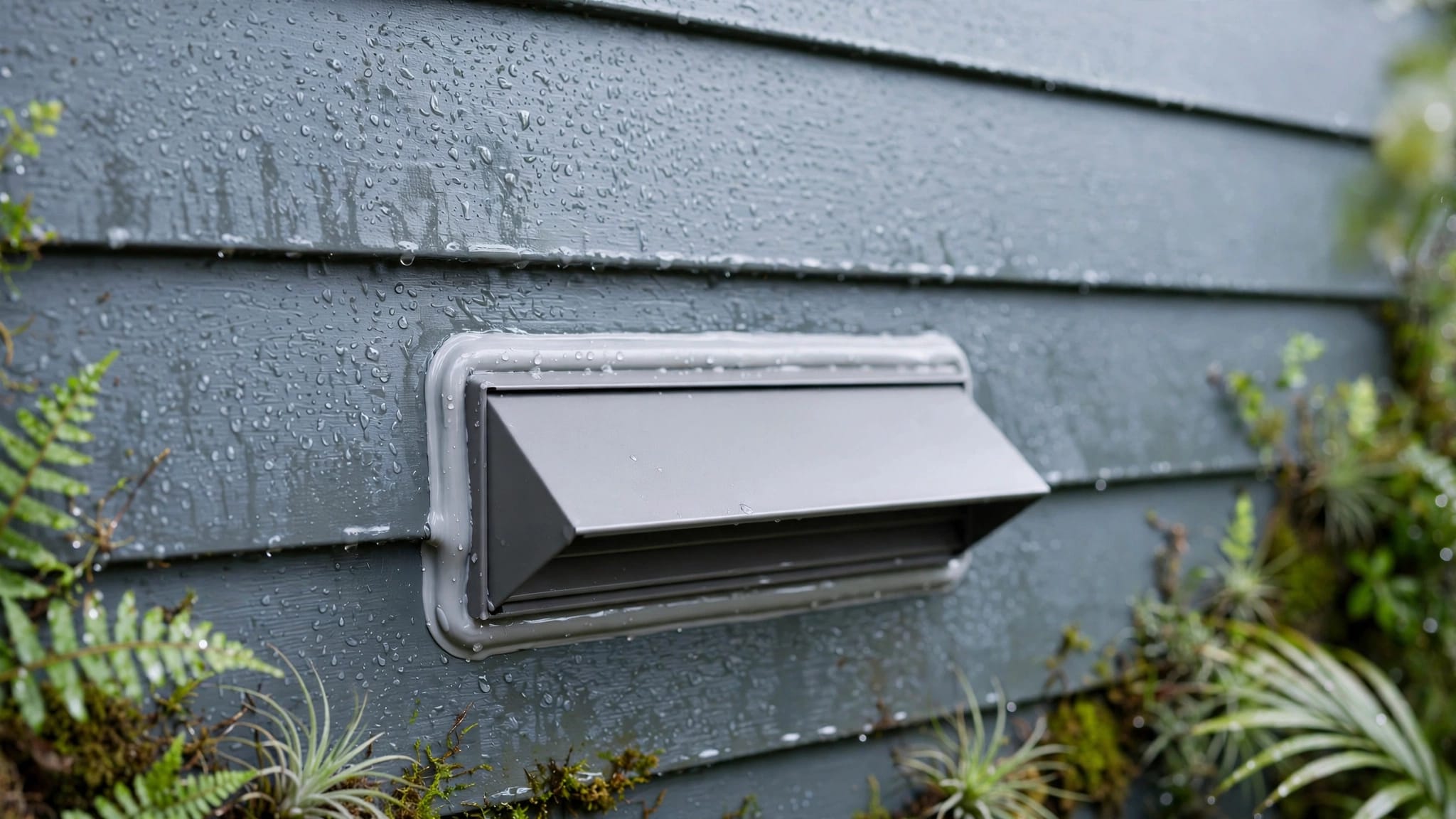
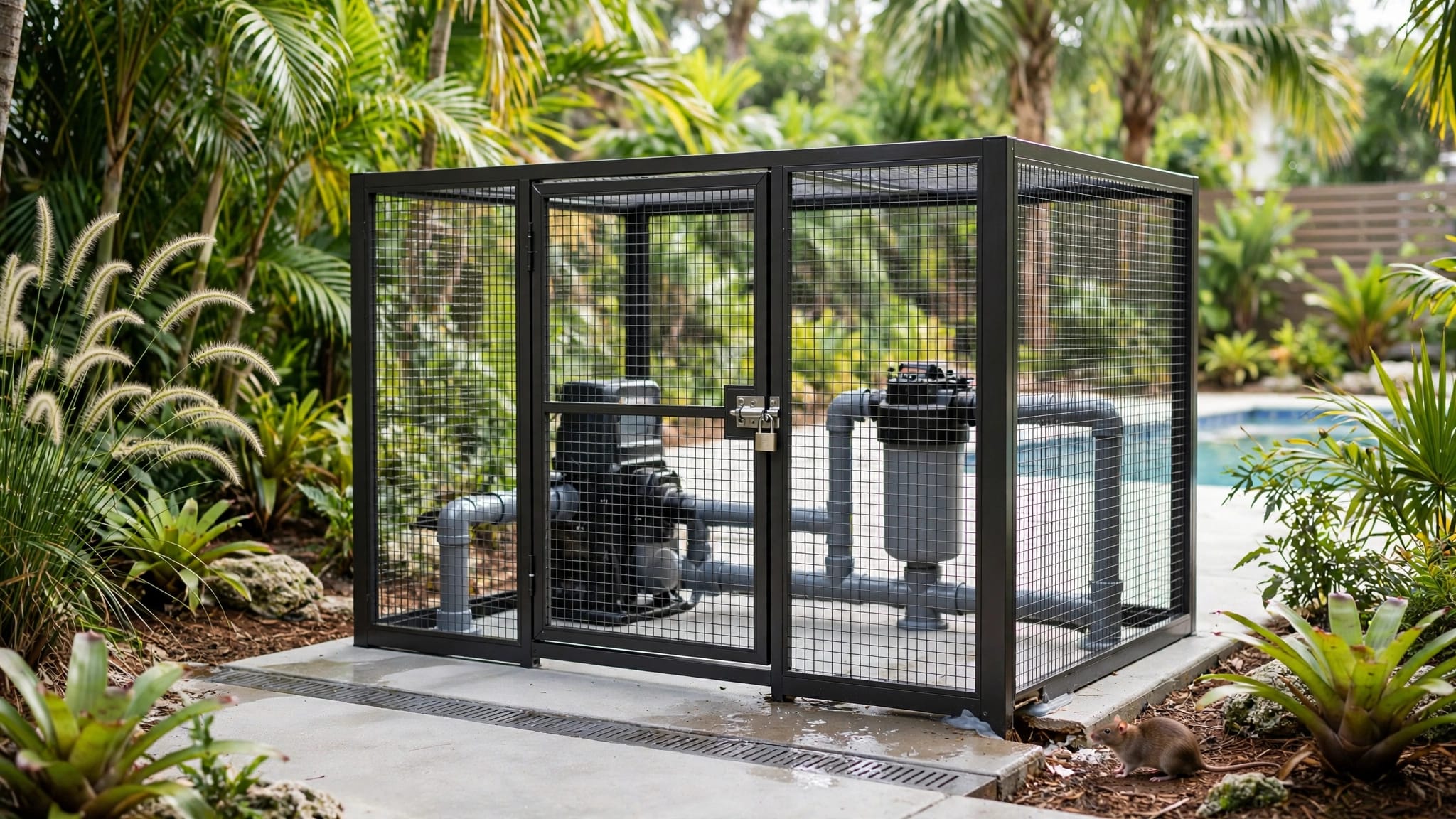
Have damaged access doors and screens repaired, and seal practical gaps around pipes or cables where appropriate. These repairs can limit pest entry, but caulk isn't a termite treatment. Subterranean termites may find routes around an opening you sealed.
If you see a mud tube, photograph it before making changes. A licensed inspector can follow the evidence and explain which repairs should happen before or after treatment.
Arrange a Termite-Specific Inspection
General pest service and termite control address different problems. If you've found a tube, pellet pile, repeated swarmers, or unexplained wood damage, ask for a termite inspection rather than a routine spray.
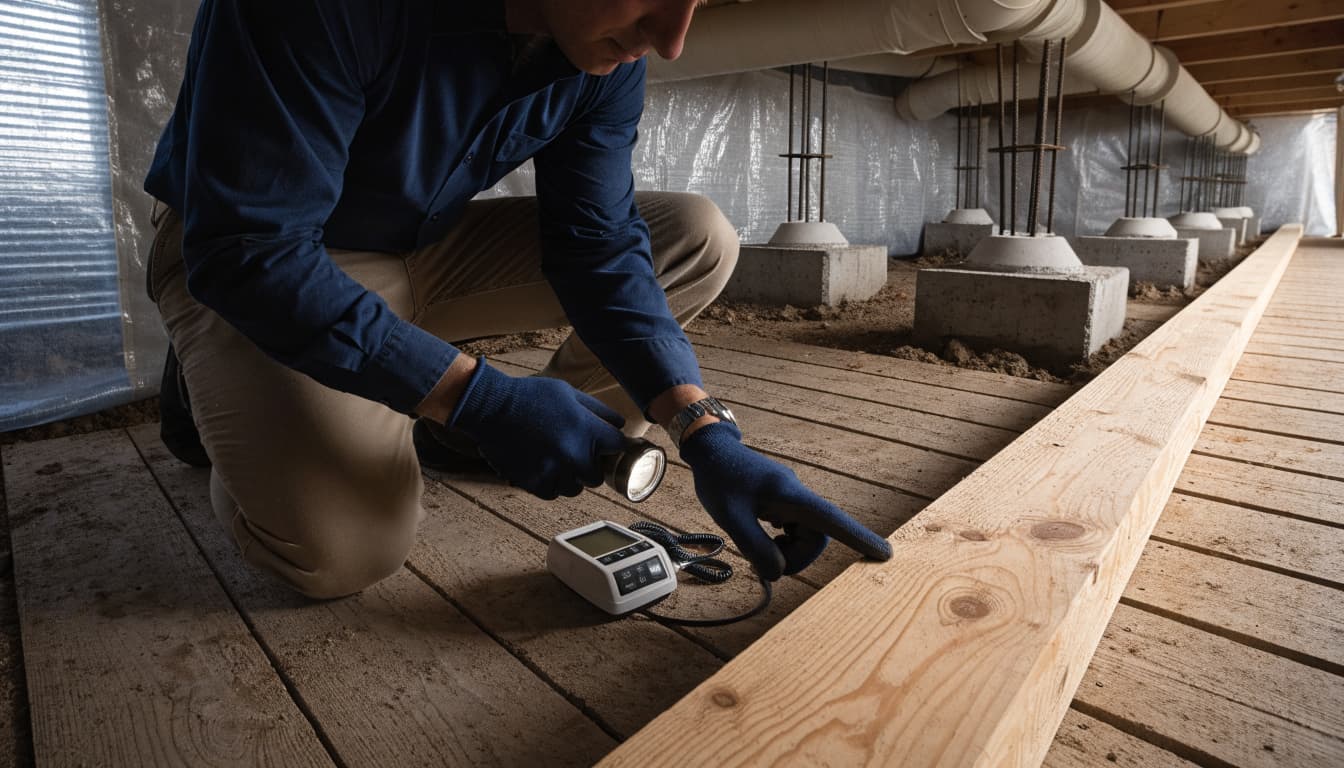
Give the inspector useful access
Move stored items away from the crawl-space entrance and accessible foundation areas. Point out leaks, past repairs, and every place you've found evidence. If you have photos from before a tube was disturbed or an area dried out, share them.
A licensed professional should check more than the visible crawl-space framing. Accessible plumbing penetrations, exterior edges, attached structures, and interior clues can help trace activity. For many homes, an inspection takes about one to two hours, though difficult access or a larger property can extend the visit. See what to expect during a termite inspection for more on the process.
Ask what the findings mean
Request an explanation of the suspected species, the evidence of current activity, and any areas the inspector couldn't reach. Damage alone doesn't prove termites are still present.
If the crawl space is too tight or unsafe to enter, don't treat an incomplete view as a clean bill of health. Ask how the company will handle the inaccessible area and what follow-up it recommends.
Match Treatment to the Termite and the House
Dealing with Florida crawl space termites requires more than treating the first visible spot. The species, entry route, and extent of activity guide the choice. Common options address different parts of the problem.
| Treatment approach | Where it may fit | What to ask |
|---|---|---|
| Liquid soil treatment | Subterranean activity near the structure | Which areas can be treated, and which cannot? |
| Bait stations | Subterranean colony control with ongoing checks | How often will stations be monitored? |
| Localized wood treatment | Accessible, limited activity in wood | How will hidden or separate activity be ruled out? |
| Fumigation | Widespread drywood activity in suitable cases | What preparation, vacancy, and clearance are required? |
No row is a universal answer. A licensed technician should explain why a method fits your property and document the areas it covers.
Compare the full service plan
A liquid application or bait installation may fit into a scheduled visit. Colony control and monitoring can take longer, while fumigation requires time away from the home and clearance before re-entry. Ask about preparation, follow-up visits, and the terms of any warranty.
For more detail on choosing between soil treatment and baiting, read the Cape Coral termite prevention and control guide.
Leave termite chemicals to licensed professionals
Don't apply an off-label product in a crawl space or use a fogger in walls to chase termites you can see. Misidentifying the species or treating only one trail can leave hidden activity untouched.
A written proposal should identify the recommended method, access limitations, monitoring schedule, and any repairs the homeowner must complete. It should also tell you when people and pets can safely return after service.
Keep Protection Working After the First Visit
Make a habit of checking accessible crawl-space edges after major rain and whenever you discover a leak. Look for new tubes, damp spots, or debris that now blocks your view. Keep photos and service records so changes are easier to recognize.
An annual termite inspection may make sense for many Southwest Florida homes with crawl spaces. Check your service agreement for its actual inspection and monitoring schedule rather than assuming a visit will be automatic. If you've recently purchased the property, termite inspection guidance for new Florida homeowners can help you decide when to arrange the next check.
No house is fully termite-proof. Shield Home & Pest Control Services offers inspections and termite-related pest control services in Southwest Florida, including Cape Coral, Fort Myers, Punta Gorda, Bonita Springs, and Sanibel. Whether you use Shield or another licensed provider, ask what protection continues after the initial visit.
Key Takeaways
- Keep the crawl space accessible, and correct leaks or drainage problems promptly.
- Record mud tubes, pellets, wings, and damaged wood without assuming they all point to the same termite species.
- Have a licensed professional identify activity before choosing baiting, liquid treatment, or work on infested wood.
- Review the follow-up schedule and warranty terms, because the first appointment isn't the whole protection plan.
Frequently Asked Questions
How often should a Florida crawl space be checked for termites?
Check accessible areas when you notice a leak, after major water intrusion, and whenever new evidence appears. Many Southwest Florida homes may also benefit from an annual professional termite inspection. A property with past activity or hard-to-see areas may need a schedule tailored to its service agreement.
Can I get rid of termites by fixing moisture problems?
Fixing moisture problems removes a condition that can favor subterranean termite activity, but it doesn't eliminate a colony. Drywood termites can live inside wood without a soil route. If you find termite evidence, address the water problem and arrange an inspection.
Are mud tubes proof of an active infestation?
Mud tubes are a strong reason to call an inspector, but a tube can remain after activity stops. Don't assume it is active or harmless based on appearance alone. Photograph its location and let a licensed professional assess it alongside other evidence.
Protect the Space You Can't See Every Day
The trouble with a crawl space is how long a small clue can stay hidden. Clear access, water repairs, and regular checks give you a better chance of finding termites before damage spreads.
When evidence appears, identify the species first . Then choose a treatment and follow-up plan that addresses where the termites are, not only where you happened to spot them.
Schedule a Free Inspection: