Florida Termite Bond Transfers Before Selling Your Home
A termite bond can look like a selling point until the buyer asks whether it will still be valid after closing. If you're planning a sale , a Florida termite bond transfer deserves attention before you promise the next owner continued protection.
The answer depends on your agreement with the pest-control company, not on the sale alone. Start with the contract, then ask the company what it needs to approve the new owner.
Key Takeaways
- A termite bond doesn't automatically pass to a buyer when a Florida home changes hands. The written agreement controls whether and how it transfers.
- Check the renewal status, covered structures, termite species, transfer requirements, and any fee before listing the bond as a home feature.
- A wood-destroying organisms (WDO) inspection report documents inspection findings. It doesn't transfer a service agreement or guarantee that termites won't appear later.
- Get the provider's confirmation in writing, and give the buyer copies of the agreement, treatment history, and inspection records.
How a Florida termite bond transfer works
A termite bond, sometimes called a warranty or service agreement, is a contract with a pest-control provider. It may include inspections, monitoring, retreatment, or limited damage repairs. The word "bond" alone doesn't tell a buyer which of those promises applies.

The provider must recognize the new owner
When an agreement permits transfer, the provider may require notice, forms, payment, or an inspection. Its written terms determine the process. Florida doesn't set one statewide transfer fee or deadline for termite service agreements.
Ask the company to identify the exact steps for your account. A note in the sales listing or purchase contract doesn't, by itself, make the pest-control company responsible to the buyer.
The same limits usually remain in place
A transfer changes who receives the contract's benefits; it doesn't turn limited coverage into full repair protection. For example, an agreement that promises retreatment only doesn't gain structural repair coverage when the home sells.
Before describing the bond to a buyer, read what a termite bond covers in Florida and compare those possibilities with your signed agreement. Your contract, including its exclusions and amendments, is the document that matters.
Find out whether your agreement is eligible
Call the company that issued the bond while you still have time to address missing records or a missed renewal. Have your contract number, property address, planned closing date, and latest service invoice handy.
Check that coverage is active
Ask for written confirmation of the paid-through date and the next renewal date. An old treatment invoice shows work took place, but it doesn't prove that ongoing service is current.
Also ask whether the account has an overdue inspection, monitoring visit, balance, or required property correction. If coverage has lapsed, don't describe it as transferable. Ask what the company would require to restart service or issue a new agreement.
Ask for the transfer instructions
Find out who must sign the request, when the company needs notice, and whether it requires a visit before approving transfer. Ask when the buyer's coverage begins and whether the provider will issue an updated agreement or written confirmation.
If you can't find your copy, request the complete contract and any amendments. A phone conversation can clarify the process, but the written terms should settle what the buyer will receive.
Read the coverage before you advertise the bond
Buyers often hear "termite protection" and picture repairs if damage appears. Many agreements make a narrower promise. Give the buyer the full document rather than a short description in the listing.
Separate retreatment from repair coverage
These common contract features answer different questions:
| Contract feature | What to confirm |
|---|---|
| Inspections or monitoring | How often visits occur and whether the owner must schedule them |
| Retreatment | Which termite activity qualifies and what work the provider will perform |
| Damage repair | Whether repairs are included, limited, or excluded |
The agreement may combine features, but none should be assumed. Since many homeowners insurance policies exclude termite damage, buyers should also understand Florida termite warranties and repair coverage before counting on a bond to pay for repairs.
Match the contract to the property
Check which termite species and structures the plan covers. A house agreement may leave out a detached garage, shed, dock, or later addition. Ask about exclusions involving leaks, landscaping changes, inaccessible areas, and wood-to-soil contact.
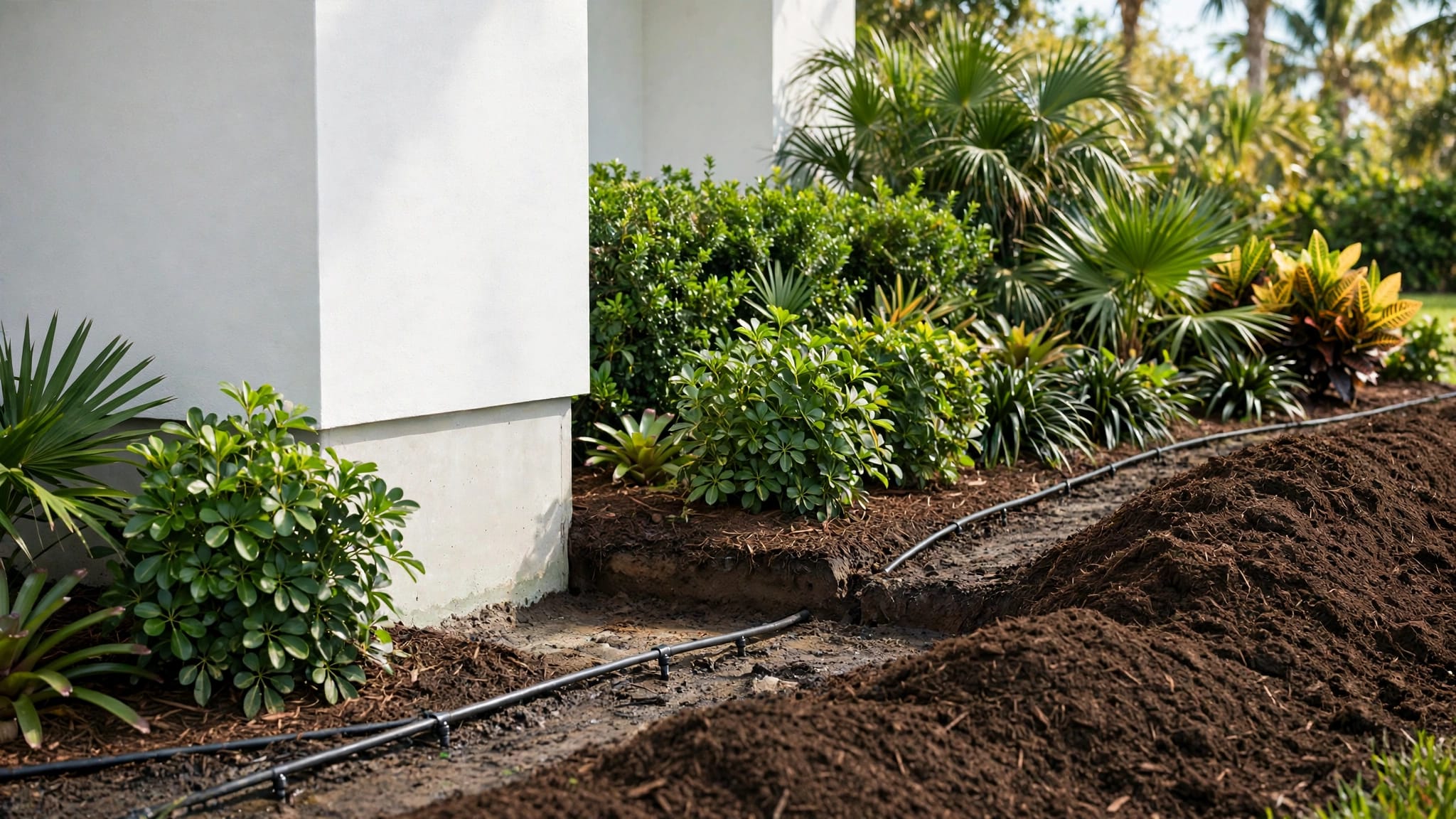
In Southwest Florida, a lanai addition or irrigation change can affect access around the foundation. Tell the provider about work completed since the original treatment. The buyer needs an accurate description of what's protected today, not what the plan covered years ago.
Understand what a WDO report does
A buyer may request a WDO inspection even when the seller has an active bond. The two documents answer different questions: the report records inspection findings, while the agreement sets out future service obligations.
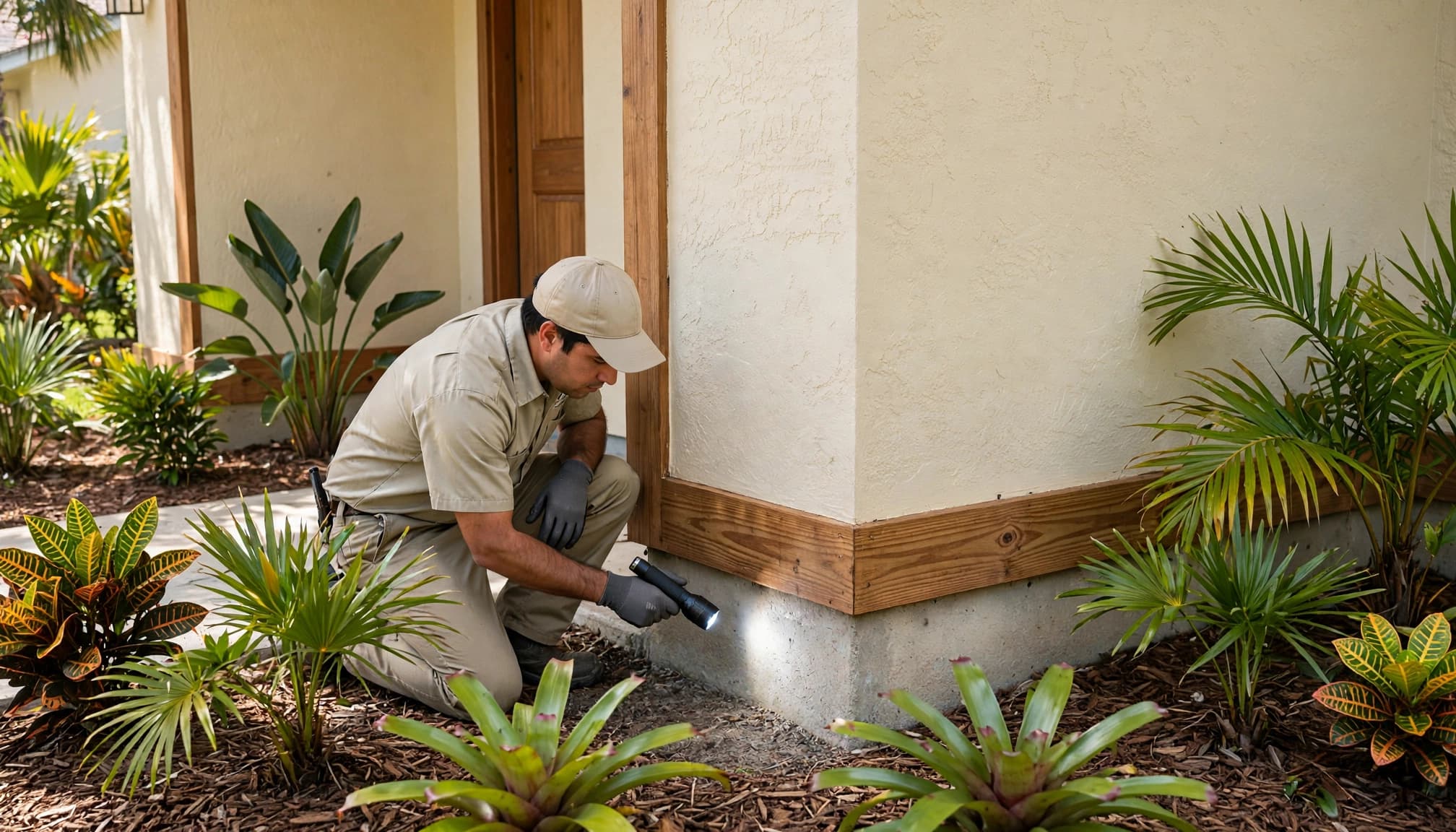
The report describes what the inspector found
Under Florida Statutes Section 482.226, a licensed provider performing a WDO inspection for a real-estate transaction must use the prescribed report when it charges a fee or the customer requests a written report. Florida's form is the Wood-Destroying Organisms Inspection Report, FDACS-13645.
It records findings such as visible evidence, damage, signs of previous treatment or infestation, and areas the inspector couldn't access. Buyers should review how Florida WDO inspections differ from home inspections rather than assuming a general inspection covers the same ground.
Findings don't settle the coverage question
A WDO report isn't a guarantee against future termite damage unless it expressly says so. It also doesn't approve a bond transfer. If it identifies activity or damage, ask the inspector to clarify the finding and the bond provider to explain any effect on coverage.
Read the details in a Florida WDO report before closing, including inaccessible areas. A clean-looking summary may leave important spaces uninspected.
Put the seller's handoff in motion early
Start once you decide to sell, rather than leaving the bond for the closing table. The provider may need time to check records, inspect the property, or prepare documents.
- Gather the records. Locate the signed agreement, renewals, treatment invoices, inspection reports, and correspondence about repairs or property changes.
- Contact the issuing company. Request its transfer conditions and a current account statement in writing. Ask whether the planned closing date affects any required step.
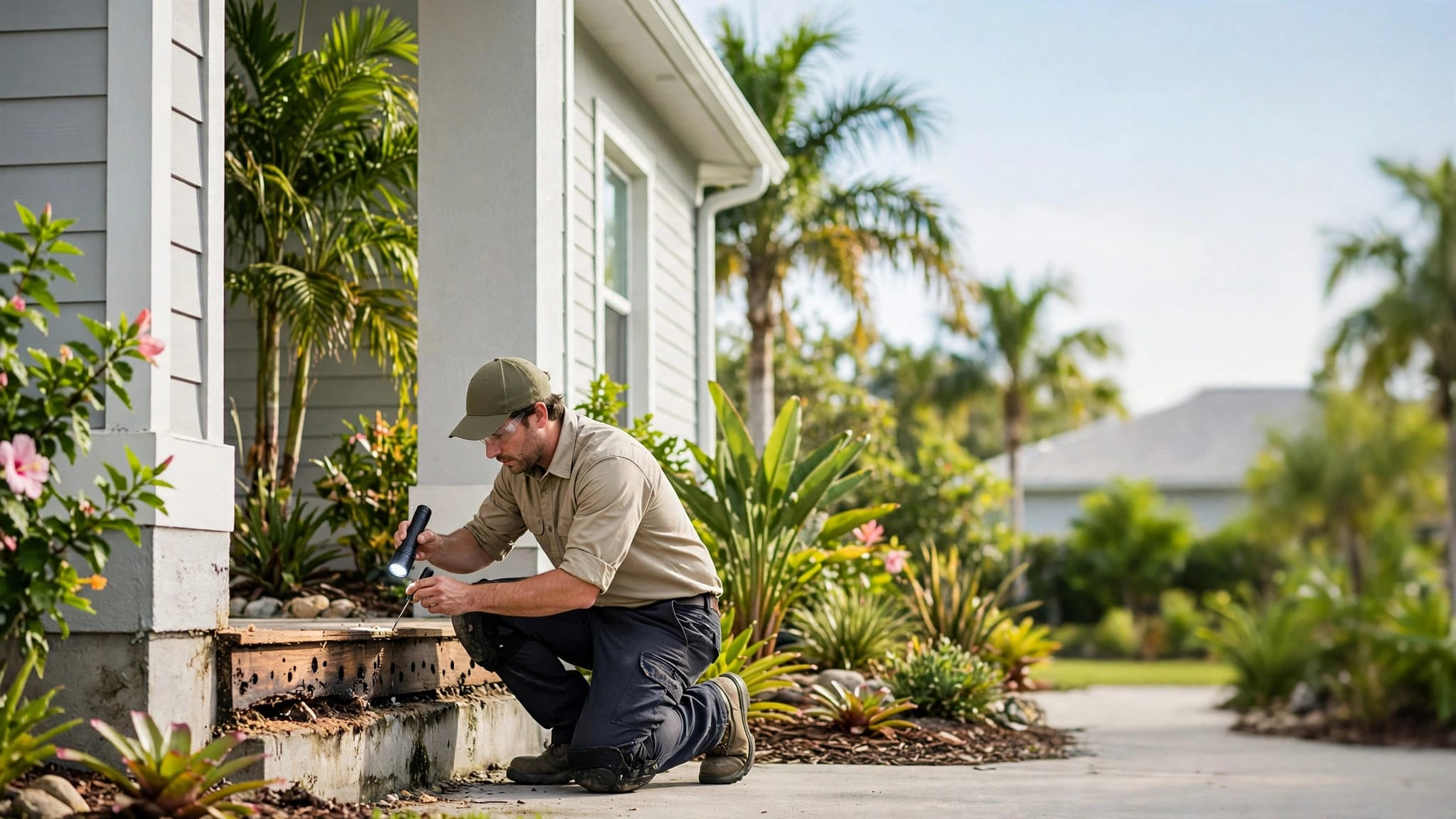
- Address inspection access. If the company wants a visit, make foundation edges, garage walls, attic access, and other relevant areas available where practical. Report leaks, remodeling, and signs of termite activity.
- Send the buyer the complete packet. Share the contract, amendments, service history, transfer instructions, and the provider's written decision.
Keep the transfer request separate from negotiations about existing damage. If an inspector finds a problem, the parties should decide who will arrange treatment or repairs and record that decision in their transaction documents.
A completed treatment and an active, transferable service agreement are different things. Ask for proof of both before promising coverage to a buyer.
Deal with issues that can interrupt coverage
A Florida termite bond transfer can stall for reasons that aren't obvious in a listing photo. Resolving those issues before closing gives both sides a clearer choice.
Expired coverage or missing treatment records
A certificate showing that pretreatment was completed during construction is useful history. It doesn't automatically promise future inspections, retreatment, or repair payments. If the ongoing agreement has expired, ask the original provider whether it can be reinstated and what inspection or treatment that would require.
Keep construction certificates with permits, repair records, and WDO reports. Those documents help a buyer understand the home's history even if no bond can transfer.
New activity or changed conditions
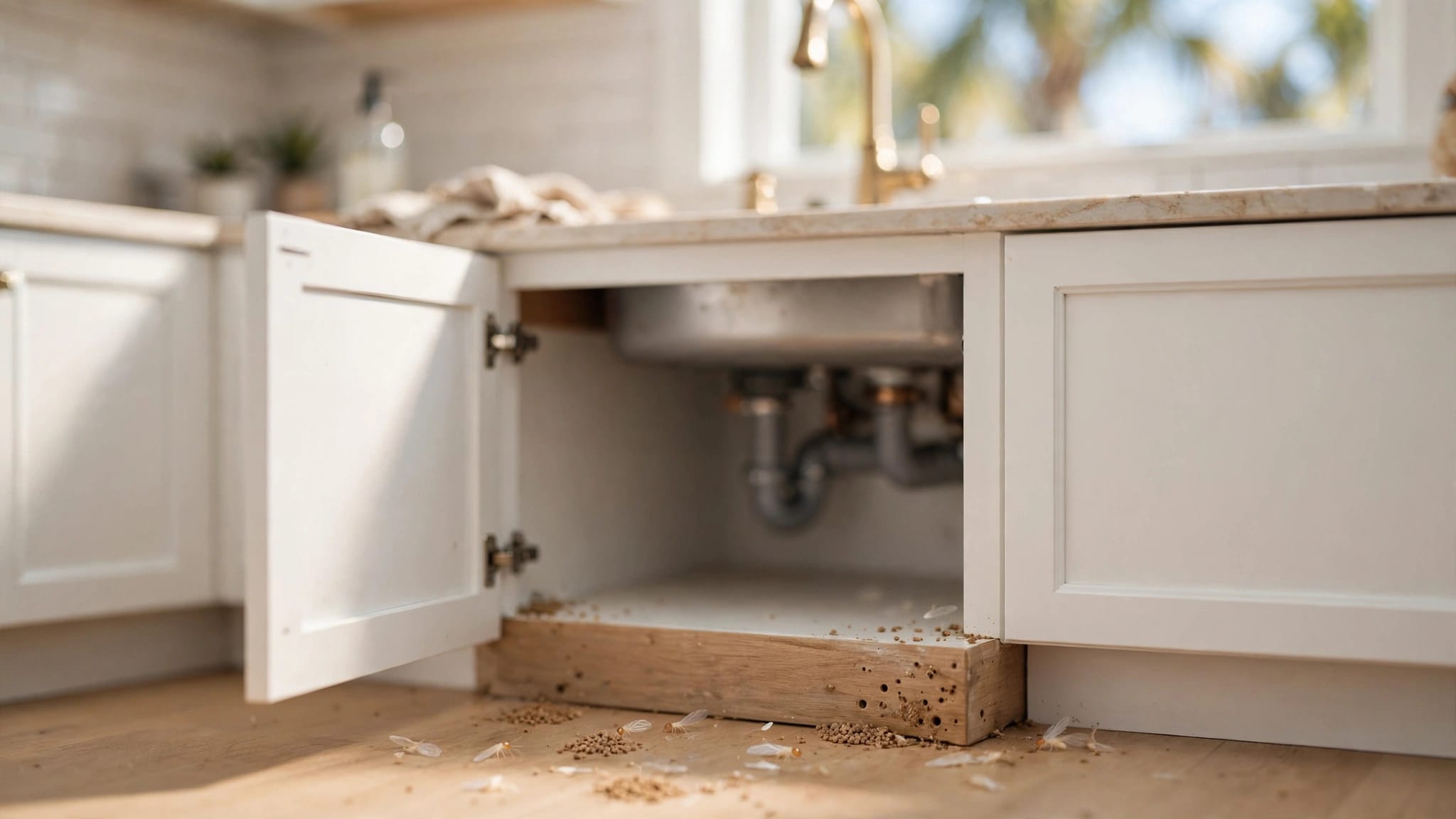
Tell the provider about mud tubes, swarmers, damaged wood, leaks, new paving, or altered landscaping. Don't cover suspected entry points before an inspection. The technician needs to see the evidence and determine what work is appropriate.
Treatment depends on the termite species, where activity appears, and access to the affected areas. If the existing provider won't continue coverage, a local licensed professional can inspect the home and discuss termite treatment services in Southwest Florida. Get the proposed scope and ongoing terms in writing.
Agree on costs and confirm the handoff
The provider sets any transfer charge under its terms; Florida doesn't prescribe a standard amount. Ask whether the quoted cost covers paperwork only or also includes an inspection, renewal, or new treatment. That distinction matters when you and the buyer decide who will pay.
Put that payment decision in the sale documents. Then ask the provider to confirm acceptance of the buyer by name and identify the effective date, covered address, renewal date, and remaining conditions. The buyer should keep that confirmation with the full agreement.
After closing, the new owner should know when to schedule the next inspection and how to report termite signs. Continuing coverage may depend on making those visits and maintaining access.
FAQ
Does a Florida termite bond automatically transfer at closing?
No. Check the agreement and obtain the provider's approval under its transfer terms. Closing paperwork between buyer and seller doesn't replace the company's required process.
Does Florida require a reinspection before a transfer?
Florida's WDO reporting rules don't impose a universal reinspection requirement for bond transfers. A particular provider may require one under its contract, especially if it needs to assess current conditions.
Can a buyer rely on a seller's WDO report instead of a bond?
No. The report documents conditions observed during an inspection; it isn't an ongoing service agreement. A buyer can use its findings to ask informed questions about treatment and coverage.
Who pays the transfer fee?
The agreement or provider determines whether a fee applies. Buyer and seller can decide between themselves who pays it, then put that decision in writing before closing.
Conclusion
A bond adds value to a sale only when the buyer knows exactly what continues after ownership changes. Confirm that the account is active, read its limits, and complete the provider's transfer steps in writing.
That early check turns a vague listing promise into a clear handoff for the next owner.
Schedule a Free Inspection: