How to Seal Florida Dryer Vents Against Pest Entry
A loose dryer vent hood can give pests a sheltered route into your wall or exhaust duct. In Southwest Florida, rain and humidity make that opening worth checking, especially after a storm. Effective dryer vent pest proofing starts with a properly sized hood and a damper that closes when the dryer stops.
Seal gaps around the hood, but keep the exhaust opening clear. First, check what's there and whether an animal may already be using it.
Why Florida dryer vents need a closer look
A dryer exhaust runs through the exterior wall, creating two possible entry points. Pests may slip through a damaged outlet, or they may enter through a gap between the vent assembly and the wall. Those openings need different repairs.
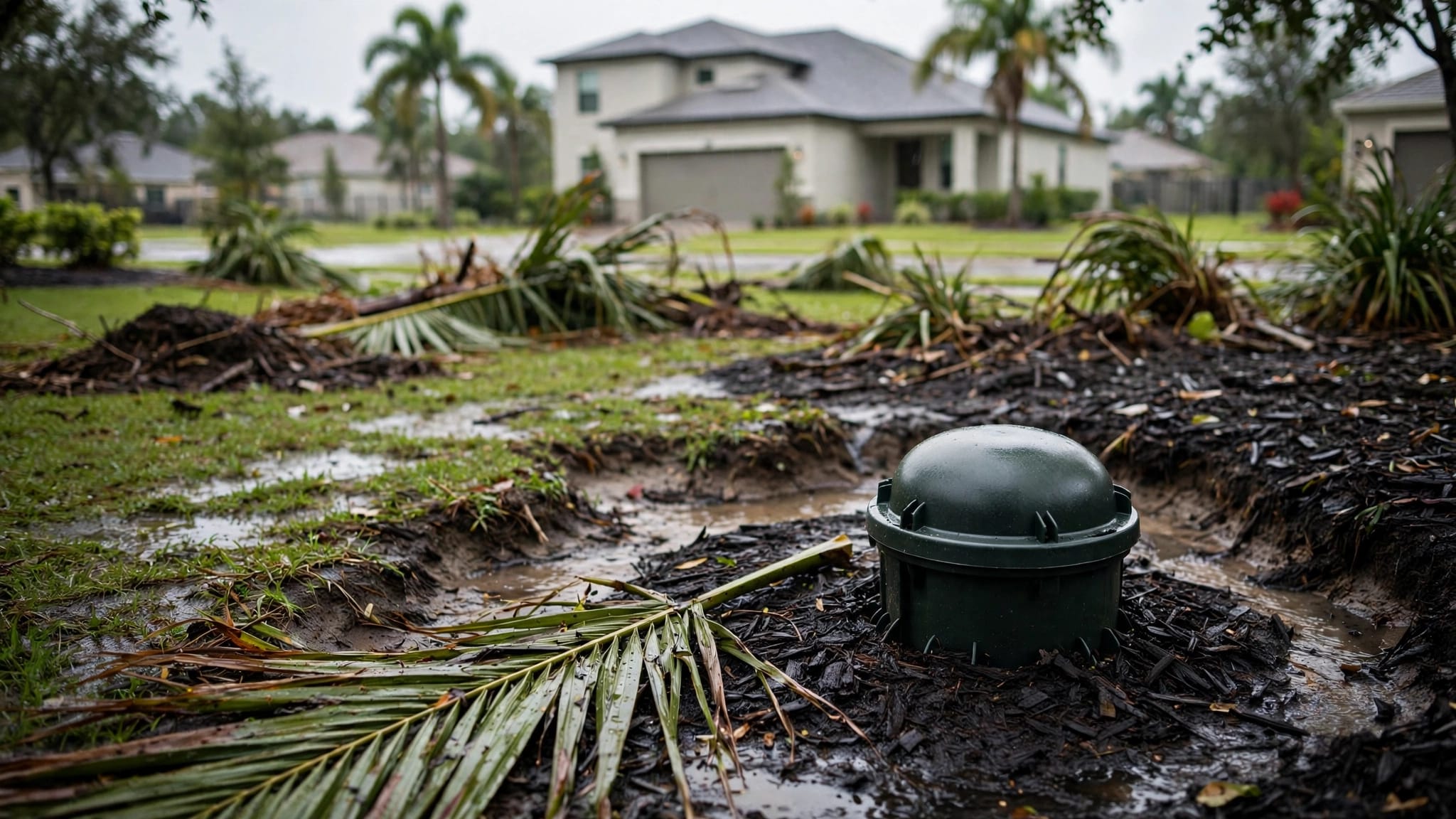
Roof rats and mice may investigate sheltered openings around a home. Birds and insects may also use a damaged vent hood. Around Cape Coral and Fort Myers, heavy rain can send animals looking for drier cover near garages, soffits, and exterior walls.
Florida weather is hard on an exposed vent. Sun can weaken plastic parts, wind can loosen a hood, and rain can reveal cracked sealant. A flap that once shut may stick open after debris builds up.
The goal is to close the unwanted gaps while preserving the dryer's airflow. A vent that looks sealed but cannot exhaust freely creates a different problem.
Choose a compatible vent hood with a working damper
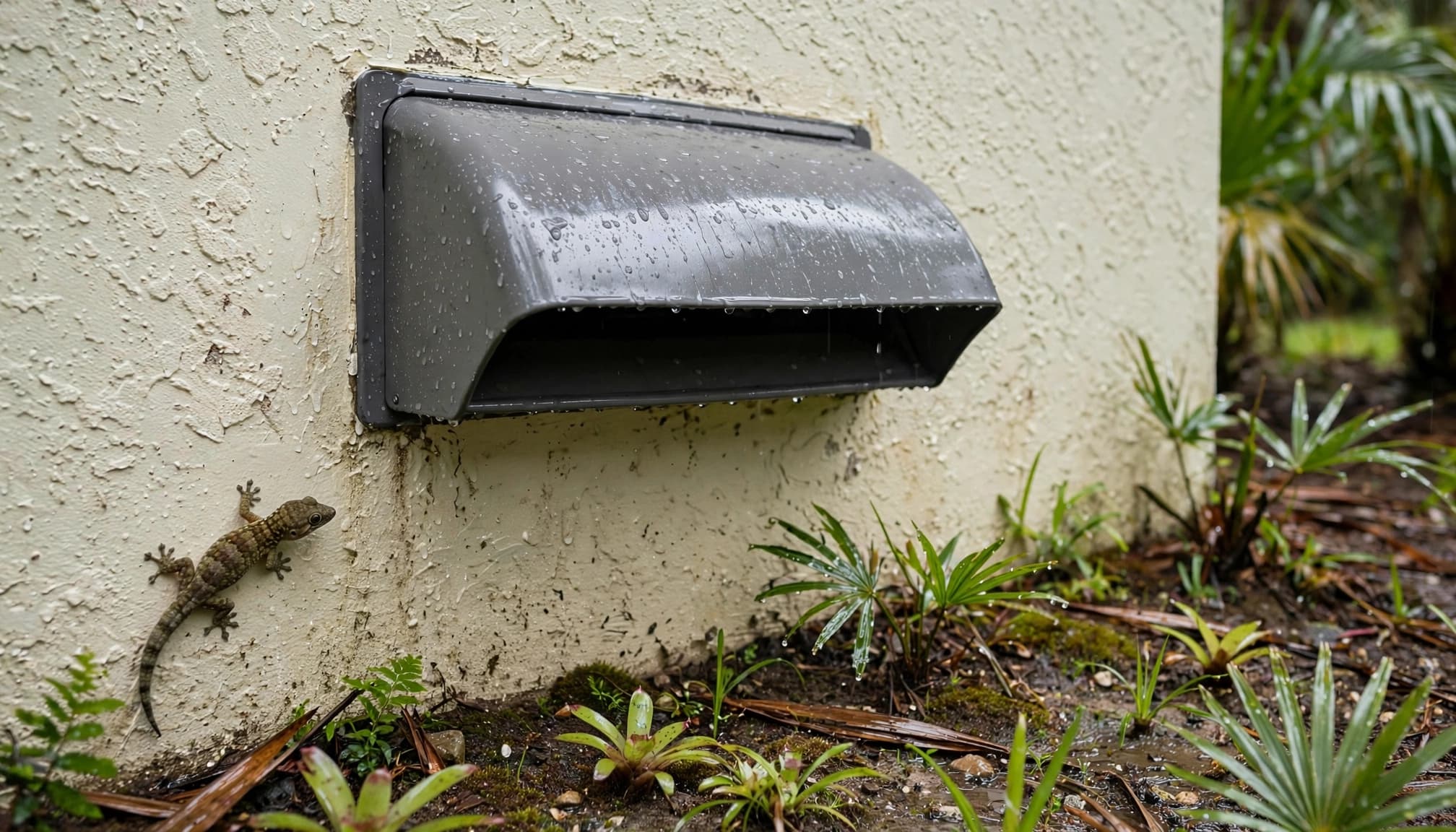
Match the hood to the existing exhaust
Before buying a replacement, identify the duct size and how the current hood connects to it. Many residential dryer exhausts use a nominal 4-inch duct, but measure yours and follow the dryer and hood manufacturers' instructions. A loose connection or poorly fitting adapter can create a new gap.
Choose a hood made for a clothes-dryer exhaust , not a cover intended for a bathroom fan or attic vent. Check that its mounting flange fits the wall surface and that its outlet has room to discharge away from plants, stored items, and other obstructions.
In coastal areas such as Sanibel, pay attention to corrosion and weather exposure when selecting fasteners and exterior parts. Replace a cracked or warped hood rather than trying to hold its damper in position with caulk.
Check how the damper moves
A gravity damper or properly designed louver should open when the dryer runs and close when it stops. Test it from a safe spot outside while someone runs the dryer briefly. You should see movement and feel exhaust air.
After the cycle stops, check that the damper settles shut without a visible gap. If it catches on lint, paint, a bent hinge, or its own housing, clean or replace the faulty part. Don't tape it closed or attach a weight to force it down.
A tight wall seal cannot keep pests out through a damper that stays open. Check both parts of the vent before calling the job finished.
Look for pest activity before closing gaps
Inspect the outlet and surrounding wall in daylight. Look for nesting material, droppings, gnaw marks, a bent flap, or insects moving in and out. Listen for scratching near the wall or inside the duct. An unpleasant odor or a vent that barely blows may also call for a closer inspection, although neither proves an animal is inside.
Don't seal a suspected active entry point yet. Closing the outside gap could trap an animal in the wall or duct. Instead, stop using the dryer if you suspect a nest or blockage, and arrange an inspection before repairs begin.
Check nearby openings while you're outside. A rodent seen beside the dryer vent may be using a soffit, utility penetration, or garage gap instead. Shield's guide to Cape Coral roof rat entry-point sealing covers those broader access routes. Materials suitable for other openings shouldn't automatically go on a dryer outlet.
Seal the perimeter, not the exhaust opening
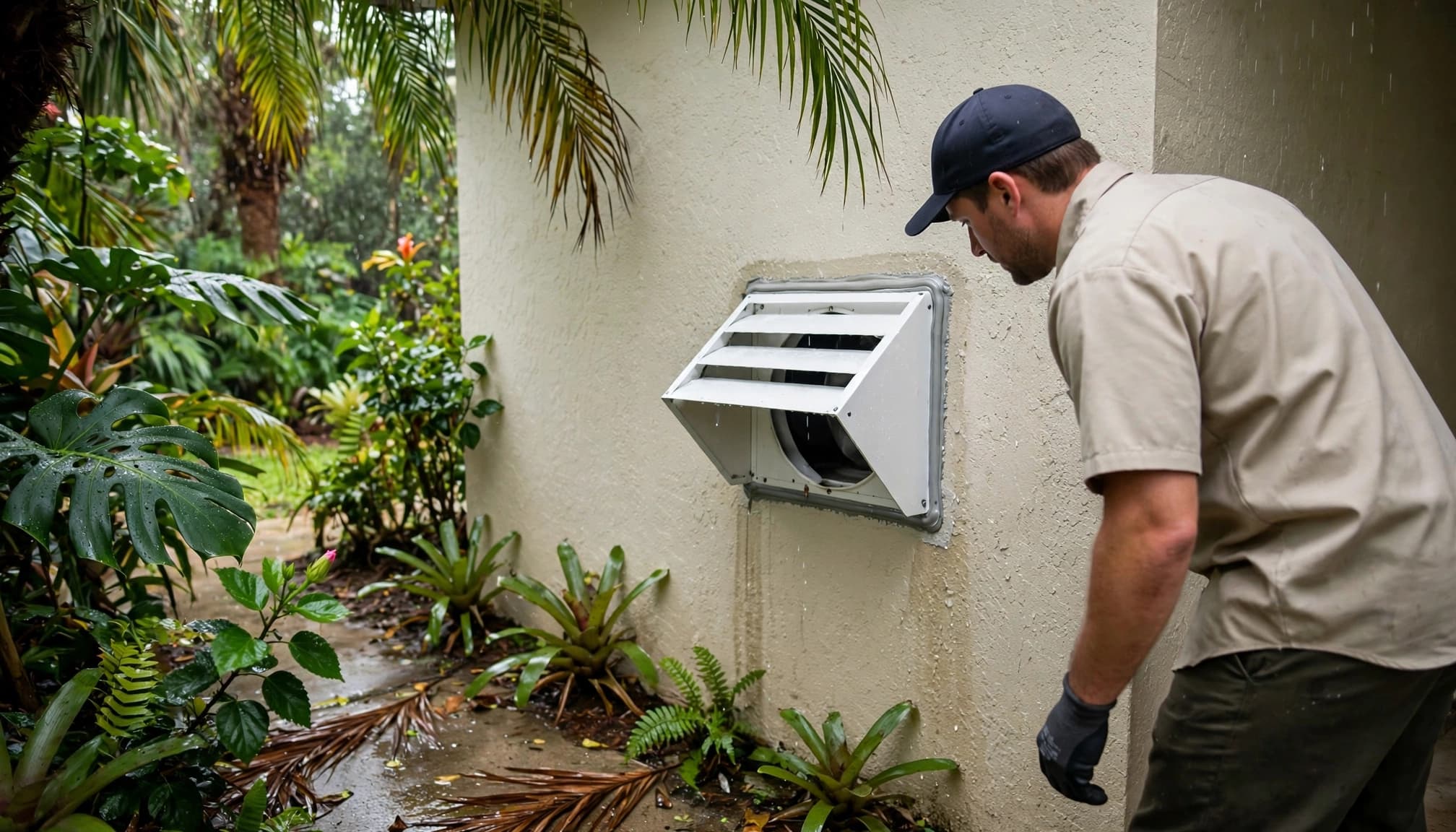
Prepare the wall and repair the fit
Once you've confirmed the vent is clear, examine where the hood flange meets the wall. Old caulk may have separated from stucco, siding, or the hood itself. Gently remove failed material, then clean and dry the surfaces according to the sealant instructions.
If the hood is loose, secure or replace it before caulking. Sealant should close a narrow perimeter gap, not hold a vent assembly against the house. Crumbling stucco, damaged siding, or an oversized wall opening needs a sound repair first. Ask a qualified contractor to assess damage that extends into the wall.
For a small, sound perimeter gap, use an exterior-grade sealant compatible with both the wall material and the vent flange. Follow its directions for surface preparation, application, and cure time. Florida humidity and afternoon rain make a dry work window especially important.
Keep the air and water paths clear
Apply sealant where the mounting flange meets the wall. If there's a visible gap around the duct at the wall penetration, have it repaired with materials appropriate to that assembly. Keep sealant and filler out of the duct and away from the moving damper.
Don't caulk across louvers, cover the exhaust outlet, or block drainage features built into the hood. Also keep nearby wall weep openings clear. The same distinction matters when you seal pest entry points in Florida homes: close unintended gaps without stopping designed ventilation or drainage.
Do not add wire mesh or a screen over the dryer exhaust. Lint can collect on it and restrict airflow. A compatible hood with a working damper is the appropriate starting point for protecting this opening.
Confirm the dryer can still exhaust freely
Run the dryer after the repair and watch the outdoor damper from a safe position. It should open under airflow and close after the dryer stops. Check that caulk hasn't touched the moving parts and that no leaves or other debris sit in front of the outlet.
Pay attention to how the dryer behaves over the next few loads. Clothes that take longer than usual to dry, unusual heat around the machine, or weak airflow outside may point to a lint blockage or another exhaust problem. Stop using the dryer and have the system checked if you suspect a blockage.
Keep the dryer's lint filter clean, but remember that it doesn't catch everything. The exhaust duct and exterior termination also need inspection and cleaning as their condition and the manufacturer's guidance require. If the duct is hard to reach or you find nesting material inside it, hire someone qualified to clean and assess it.
A new hood won't solve a blocked duct behind the wall. Likewise, a clear duct won't protect an outlet with a flap stuck open. Dryer vent pest proofing works only when the whole exhaust path remains clear and the exterior parts close as intended.
Make vent checks part of storm-season upkeep
Check after wind and heavy rain
Walk past the vent after a major storm and look for a tilted hood, loose fasteners, cracked caulk, or debris against the flap. You can do that from the ground if the outlet is visible. Don't lean out of a window or climb onto a wet roof to reach it.
Watch where rainwater goes, too. Water stains below the hood or persistent dampness around its edges may mean the wall or vent assembly needs attention. Caulk alone may hide the symptom without fixing the source.
Reduce cover around the outlet
Trim plants that press against the hood and move stored items away from the discharge area. That gives the damper room to move and makes pest activity easier to spot. Clear fallen leaves after storms, but don't push a brush or other object deep into the exhaust duct.
Nearby food and shelter can keep rodents visiting even after the vent is repaired. Secure trash, avoid leaving pet food outside overnight, and check other exterior gaps. In Southwest Florida, a dryer vent inspection is most useful alongside a look at the garage, soffits, and utility lines.
Know when to call for help
A simple sealant repair makes sense when the hood is sound, the duct is clear, and you can reach the opening safely. Bring in a qualified professional if the damper won't close, the wall opening is damaged, or the vent connects awkwardly to the duct. Ask about applicable local requirements when replacing or relocating an exhaust termination.
Pest activity needs a different first step. A technician can determine whether an animal is using the vent or a nearby opening and plan removal before exclusion work. Shield's rodent control services in Cape Coral include checks for activity and entry points around the home. For dryer-duct cleaning or vent replacement, use a qualified dryer-vent service or contractor as needed.
Don't run a dryer against a suspected nest, and don't pull apart a vent if you may disturb an animal inside. Confirm that the route is clear before making the final repair.
Key takeaways
- Fit a clothes-dryer vent hood that matches the duct and has a damper that opens during use and closes afterward.
- Seal sound, dry gaps around the exterior flange without touching the damper or blocking the outlet.
- Skip wire mesh and screens over the dryer exhaust because lint can build up and restrict airflow.
- Inspect after storms, and get help before sealing if you see signs of an animal or a blockage.
Frequently asked questions
Can I use expanding foam around a dryer vent?
Don't spray foam into the exhaust duct, across the outlet, or around moving damper parts. A visible opening through the wall may need a repair suited to the wall and vent assembly, not simply more filler. If the gap is large or the proper repair isn't clear, ask a qualified contractor to assess it.
Will a closing damper keep every bug out?
A working damper reduces access through the outlet, but it isn't an airtight seal. Insects may still find a damaged edge or a gap around the hood. That's why you should inspect both the damper and the wall perimeter. Repairing nearby openings also helps when pests are approaching the house from several directions.
What if birds or rodents are already inside?
Stop using the dryer if you suspect nesting material is blocking the exhaust. Don't cover the opening or assume the animal has left because it's quiet. Have the activity and duct assessed, remove the obstruction safely, then repair the entry point. Wildlife handling can require special care, so get qualified help rather than reaching into the vent.
Keep the opening protected and the air moving
The safest repair separates two jobs: seal the wall gap and keep the dryer outlet clear. A compatible hood and working damper protect the opening without asking caulk or a screen to do the damper's job.
After a Southwest Florida storm, a quick look at that small exterior vent can catch damage before pests make use of it.
Schedule a Free Inspection: