Gallinipper Mosquitoes in Cape Coral After Flooded Lots
Heavy rain can turn one soggy lot into a neighborhood nuisance fast. In Cape Coral, that often means a sudden jump in gallinipper mosquitoes , the large floodwater mosquitoes people notice when the ground stays wet.
These bites can feel more aggressive than the usual backyard mosquito problem. The good news is that the surge is usually temporary, and you can do a lot around your home to cut it down.
Why flooded lots set off a Cape Coral mosquito surge
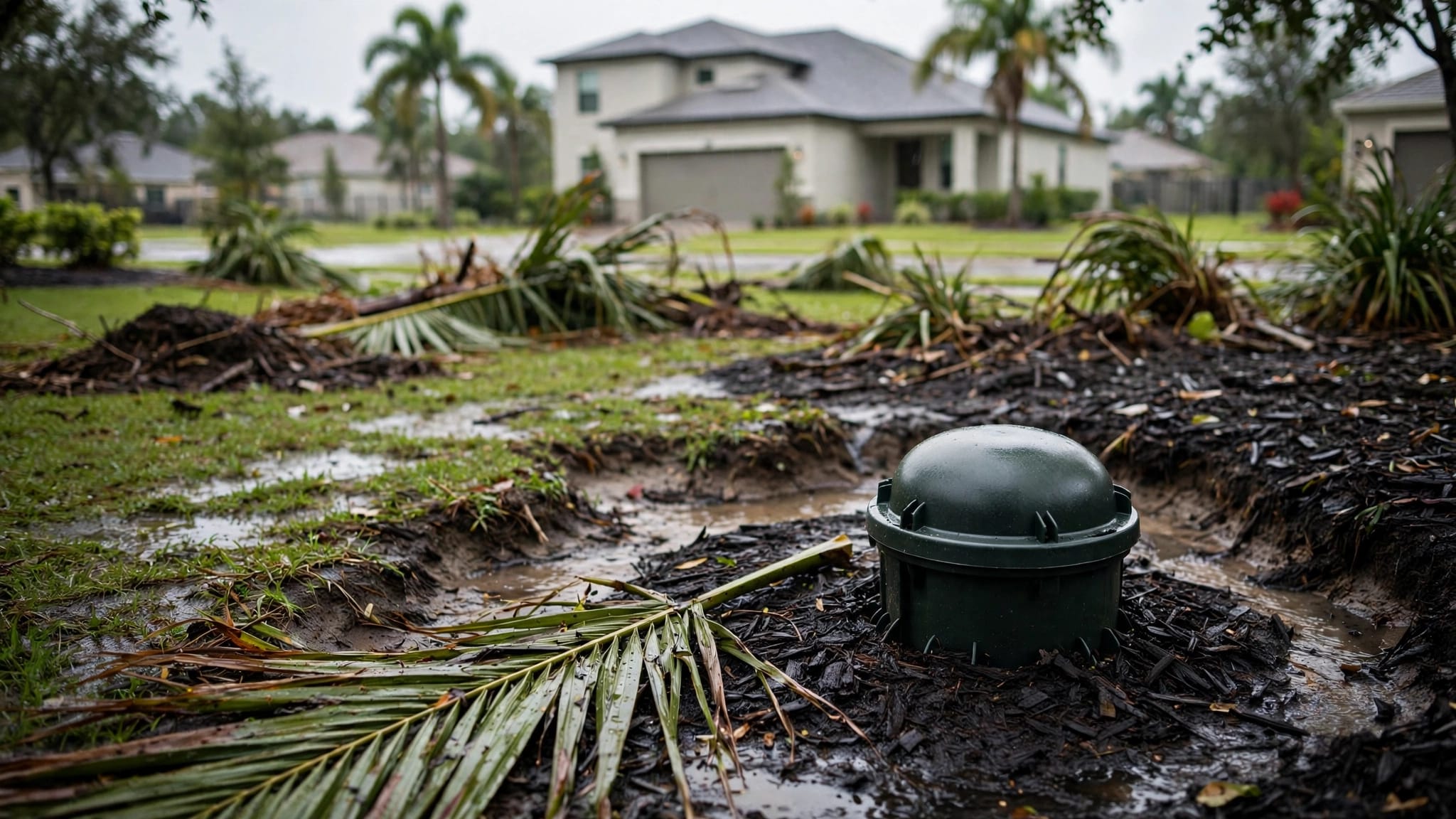
Cape Coral lots drain unevenly after big rain. Some hold water in low spots, along edges, or in places where grass and soil stay saturated for days. That is exactly the kind of condition floodwater mosquitoes use to get going.
Gallinippers are tied to wet soil and temporary pools, not just the obvious buckets and birdbaths people think about first. A vacant lot, a construction site, or a yard with poor drainage can all become part of the problem. If a storm leaves water behind, mosquitoes can start emerging soon after.
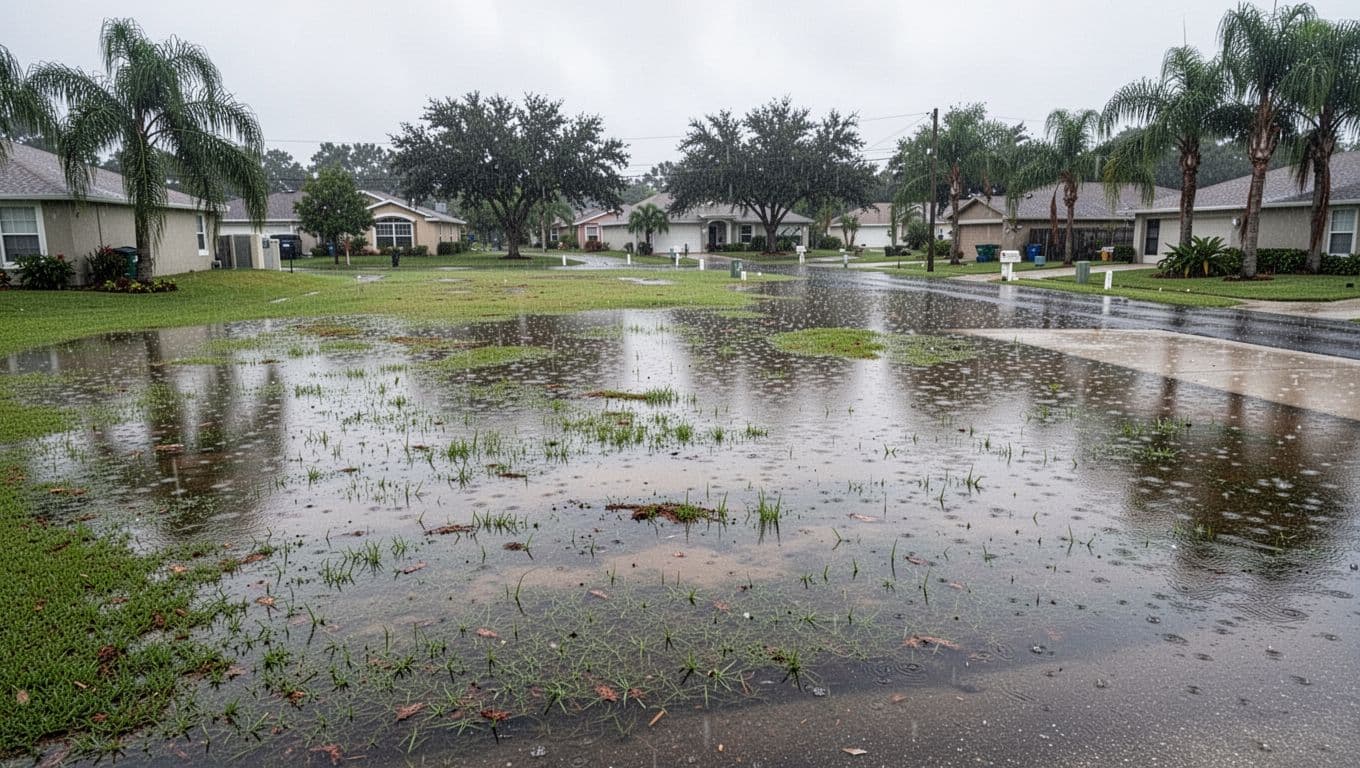
A flooded lot does not need to stay underwater for long. Warm weather and trapped water can still trigger a mosquito spike.
If you want a broader home checklist, the homeowner guide to Cape Coral mosquito control is a helpful place to start. It covers the basic habits that matter before and after rain.
The key thing to remember is timing. After a flood, you may see more mosquitoes for a stretch, then fewer if the water dries out. If more rain falls before the ground recovers, the cycle starts again.
What gallinippers look and act like
Gallinippers are usually bigger than the mosquitoes most people swat away on a normal evening. Their size alone gets attention, but their behavior is what makes them stand out. They can seem bold, they bite hard, and they often show up when people are already outside cleaning up after rain.
They are also more likely to appear in open, wet areas than in a dry, tidy yard. That does not mean your home is the only source. It means nearby flooded ground can send them into your space even if your own yard looks decent.
Regular mosquito pressure and a gallinipper surge feel different. A normal season may bring a steady stream of bites at dusk. A floodwater outbreak can feel sharp and sudden, almost like the yard changed overnight.
The difference matters because it changes what you should expect from control. One spray may lower adult activity for a while, but it does not erase the wet area that created the problem. If the lot stays saturated, new adults can keep emerging.
Most importantly, heavy mosquito activity after flooding does not always mean higher disease risk. It does mean more bites, more annoyance, and more pressure on outdoor living spaces. That is reason enough to take the problem seriously without sounding the alarm.
The yard habits that help most after rain
The fastest wins usually come from removing water that should not be there. Start with the easy spots first. Empty plant saucers, toys, tarps, buckets, wheelbarrows, and anything else that catches rain. Then check gutters, downspouts, and drain channels.
A short walk around the property can reveal more than people expect. Low spots, clogged drain grates, and shaded edges often hold water longer than the rest of the yard. If you can see standing water after the rain stops, mosquitoes can use it.
Fans also help more than many homeowners realize. On lanais and patios, moving air makes it harder for mosquitoes to land and bite. That matters in Cape Coral, where people want to use outdoor spaces even after a storm.
If your pool area or screened porch is part of the problem, mosquito control for pools and screened lanais can make those spaces more usable. Screens, pool decks, and door habits all matter when mosquito pressure rises.
Birdbaths and certain plants deserve attention too. Bromeliads, plant cups, and other small water holders can keep breeding going even when the yard looks dry. For those spots, this guide on controlling mosquito breeding in plants has practical steps that fit Southwest Florida yards.
A few habits make the biggest difference:
- Dump standing water after every rain.
- Keep gutters and drains clear.
- Trim thick growth so the yard dries faster.
- Refresh birdbaths and plant containers often.
- Close lanai doors quickly, especially near dusk.
These steps do not remove a floodwater mosquito wave by themselves. They do cut down the extra breeding spots that keep the problem alive.
Signs the problem is building again
A mosquito surge rarely appears out of nowhere. Usually, the warning signs show up first in the yard. Water that sits for more than a day or two is one of the clearest signs. So is a lot next door that still looks damp after the rest of the area dries.
Heavy evening biting is another clue. If you step outside at dusk and get swarmed fast, the local population is still active. If mosquitoes start biting during the day, the pressure is often even higher.
Watch the weather too. Another round of rain on already saturated ground can push the problem back up. Warm, still weather after rain gives mosquitoes a better chance to emerge and spread.
Nearby construction and vacant lots matter as well. They can hold water in pockets you may not see from your yard. When the lot behind you stays wet, your own cleanup efforts may only go so far.
The main signs that conditions may worsen are simple:
- Water lingers in low spots.
- Mosquitoes show up earlier in the day.
- Bites increase after each rain.
- Nearby lots stay wet longer than expected.
- Outdoor spaces feel unusable again within days.
When those signs stack up, the problem is more than a one-time annoyance. It usually means the area still has active breeding conditions nearby.
What treatment can and can't do after flooding
Post-flood mosquito control works best when it matches the situation on the ground. Adult treatments can bring relief fairly quickly. They help lower the mosquitoes flying around your porch, pool area, and yard.
What they cannot do is dry out a flooded lot. If the breeding site stays wet, new mosquitoes can keep coming. That is why follow-up matters after heavy rain. One visit may help, but ongoing pressure often needs a second look once the water changes.
The goal is not a perfect yard in one day. The goal is to reduce the peak and keep the problem from hanging on. That usually means source reduction first, then targeted treatment where mosquitoes rest and move.
If your property stays comfortable for a few days after treatment but gets worse again after the next rain, that is a common pattern. It usually points to a nearby water source, not a failed plan. A local pro can inspect the area, identify the wet spots that keep feeding mosquitoes, and adjust the approach.
Treatments around outdoor living areas can help more when they are part of a broader plan. They work best alongside cleanup, drainage fixes, and regular checks after rain. That is especially true in neighborhoods where lots drain at different speeds.
Conclusion
After heavy rain, gallinipper mosquitoes in Cape Coral usually point to a short-term floodwater problem, not a permanent one. Flooded lots, soggy edges, and slow drainage can bring a sudden wave of large, aggressive mosquitoes, but the pressure often drops when the water dries and the breeding spots are removed.
The most reliable response is simple. Clear standing water, watch nearby lots, protect lanais and pool areas, and stay alert when more rain is coming. That steady routine keeps a temporary mosquito surge from turning into a long stretch of bites.
Schedule a Free Inspection: