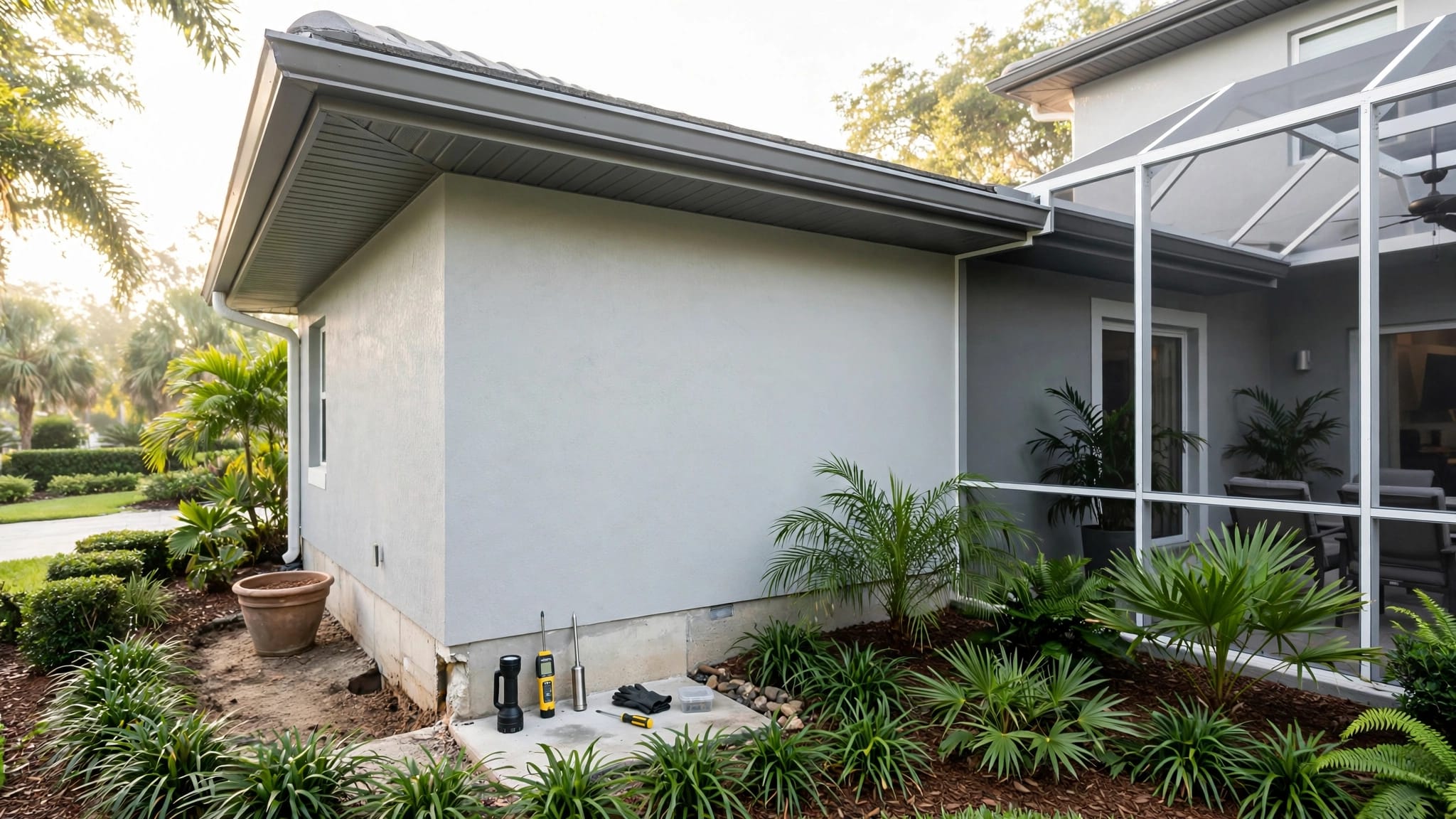
Florida Termite Protection for Boathouses and Docks
Waterfront living gives termites plenty of places to hide. Damp framing, shaded pilings, storm debris, and hard-to-reach utility lines can turn a small termite issue into expensive structural damage.
Florida termite protection for a boat house or waterfront structure needs more than a one-time spray. Your plan should account for moisture, soil access, treated wood, inspection access, and the way hurricanes or seasonal rain can change conditions around the property.
Start with the areas termites use to reach and feed on wood.
Where Florida termite protection starts at the waterline
Florida's heat and humidity keep wood damp longer than many homeowners realize. Near a canal, river, or bay, shade and limited airflow beneath a structure can slow drying even after a normal afternoon storm.
Subterranean termites need moisture, but they don't need standing water. They travel through soil and build shelter tubes across concrete, masonry, or piers to reach wood above ground. Drywood termites are different. They can live inside dry structural wood without touching soil.
Rain, humidity, and flooding create hidden trouble
Floodwater doesn't create termites. However, it can leave soaked wood, wet insulation, sediment against supports, and debris bridges between soil and framing. Each condition makes an inspection harder.
Repeated rain can also affect a soil-applied treatment. Florida Building Code guidance addresses rainfall dilution when soil treatment is used, which is one reason a licensed professional must evaluate site drainage before treatment.
Elevated structures still need protection
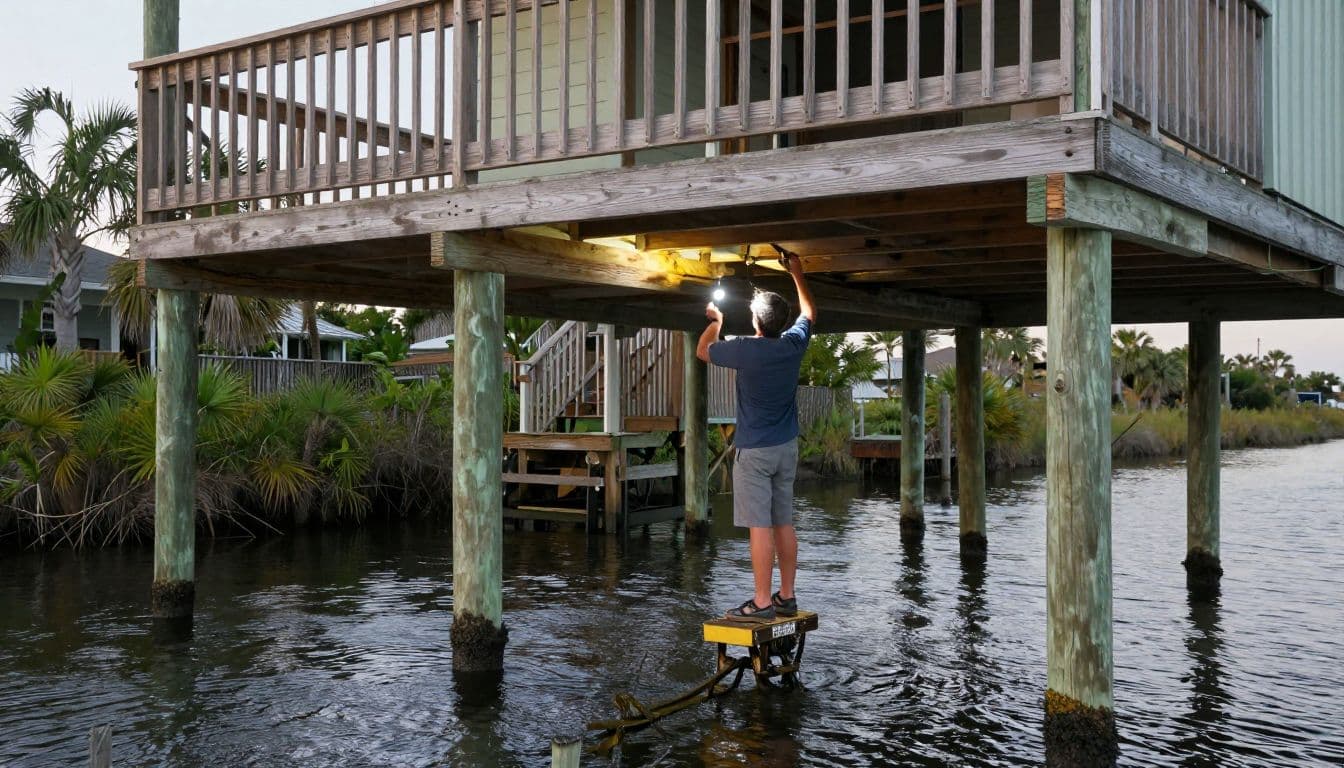
A raised boat house may look protected because its floor sits above grade. Yet termites can use concrete piers, stair stringers, utility chases, framing connections, or nearby landscaping as routes upward.
Wood pilings and cross-bracing also deserve attention. Salt spray, weather exposure, and wet-dry cycles can damage coatings and expose checks or cracks where termites may enter. Elevation helps airflow, but it doesn't remove the need for inspection.
Know which termites may be attacking waterfront wood
Florida has native subterranean termites, drywood termites, and invasive species such as Formosan subterranean termites. Formosan termites are a major structural pest in Florida because large colonies can exploit moisture and concealed entry points.
You don't need to identify every insect yourself. Still, knowing the warning signs helps you call for help before damage spreads.
Signs of subterranean termite activity
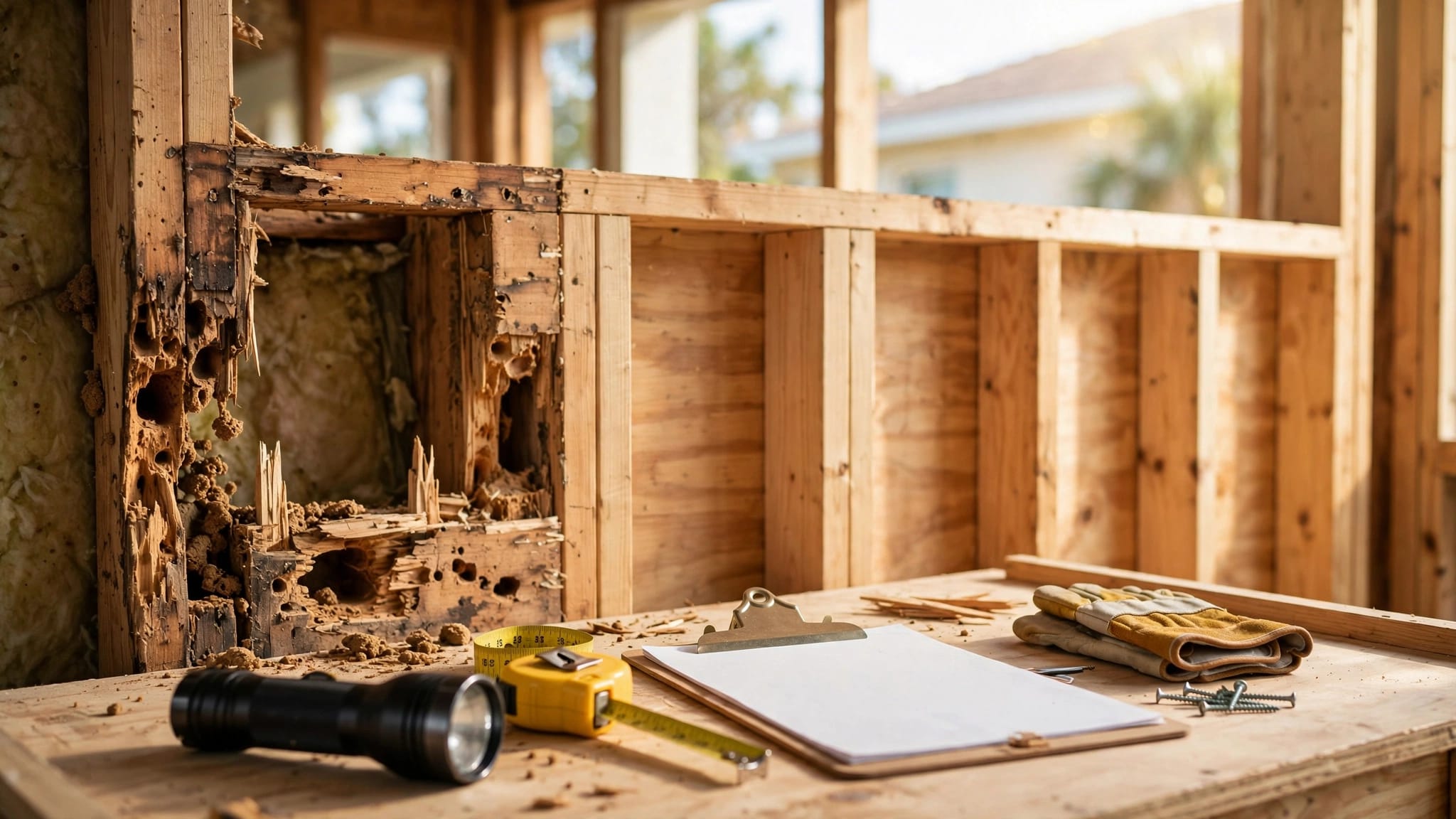
Look for pencil-width mud tubes on piers, block walls, slab edges, and utility lines. Break open only a small section if it is safe to do so. Fresh, moist material or pale worker termites can point to active activity.
Other clues include soft wood that sounds hollow when tapped, bubbling paint, sagging trim, or doors that suddenly stick. These signs can also come from water damage, so an inspection matters.
Drywood termites leave different evidence
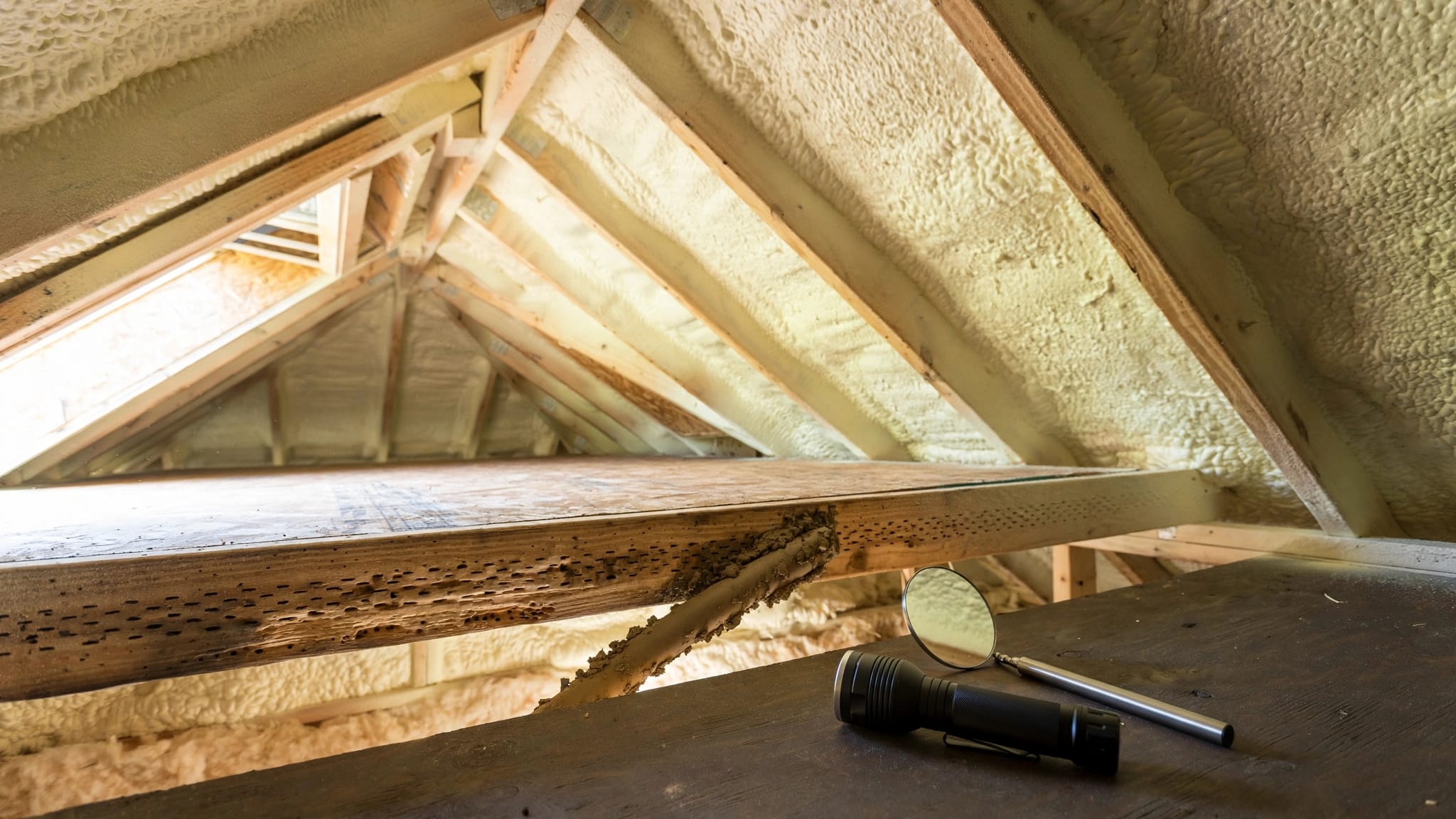
Drywood termites often live in exposed roof framing, fascia, siding, dock rails, or upper portions of a boat house. They don't build mud tubes because they live within the wood they eat.
Their most familiar sign is small, hard pellets called frass. You may find it below a beam, window casing, or trim joint. Sweep the pellets away, then watch for more. New pellets often mean the colony is still active.
For broader warning signs and prevention steps, see this Cape Coral termite prevention guide.
Build and repair with termite-resistant details
Construction details control how easily termites can reach concealed wood. They also determine whether a technician can inspect and treat the structure without tearing apart finished surfaces.
Florida Building Code Residential Section R318 requires termite protection for new construction through approved methods, such as registered termiticides, bait systems, wood treatments, or other approved approaches. A detached dock, boat lift, elevated boat house, addition, or enclosed waterfront room may fall under different local rules.
Use the right treated lumber in wet locations
Wood that contacts soil, sits near grade, or supports a permanent structure in a wet exposure area should be pressure-preservative treated for the intended use. The treatment level matters. Lumber rated for above-ground use may not suit ground contact or structural support near water.
Don't assume wet wood is automatically termite-proof. Florida code materials make a narrow distinction for wood continuously submerged in fresh water. That does not apply to ordinary damp lumber, intermittent flooding, or many coastal and canal environments.
When replacing a post, brace, stair component, or ledger, ask the contractor about:
- The lumber's use category and whether it is rated for ground contact.
- Corrosion-resistant fasteners that match treated lumber and waterfront exposure.
- Flashing and spacers that keep water from sitting against wood connections.
- Inspection access around posts, wall bottoms, and structural joints.
Physical barriers can help, but details matter
Physical termite barriers may include corrosion-resistant mesh or aggregate-based systems installed at openings, slab edges, and penetrations. They work by limiting termite access where wood is difficult to inspect.
Barriers must fit the actual construction. An open-pier boat house, an enclosed lower level, and a home with a waterfront deck each need different details. Don't cover the barrier with soil, mulch, stored lumber, or added trim that creates a hidden route.
A new deck, planter, or repair can block a previously visible termite route. Keep the inspection line open whenever work changes the exterior.
Stop wood-to-soil contact and concealed entry routes
Termites benefit when wood meets soil, mulch, wet debris, or damp masonry. A small connection can function like a bridge to framing above it.
Walk the structure after rain and look at the lowest reachable wood. Focus on the points where repairs, add-ons, or landscaping changed the original design.
Check utility penetrations and attachment points
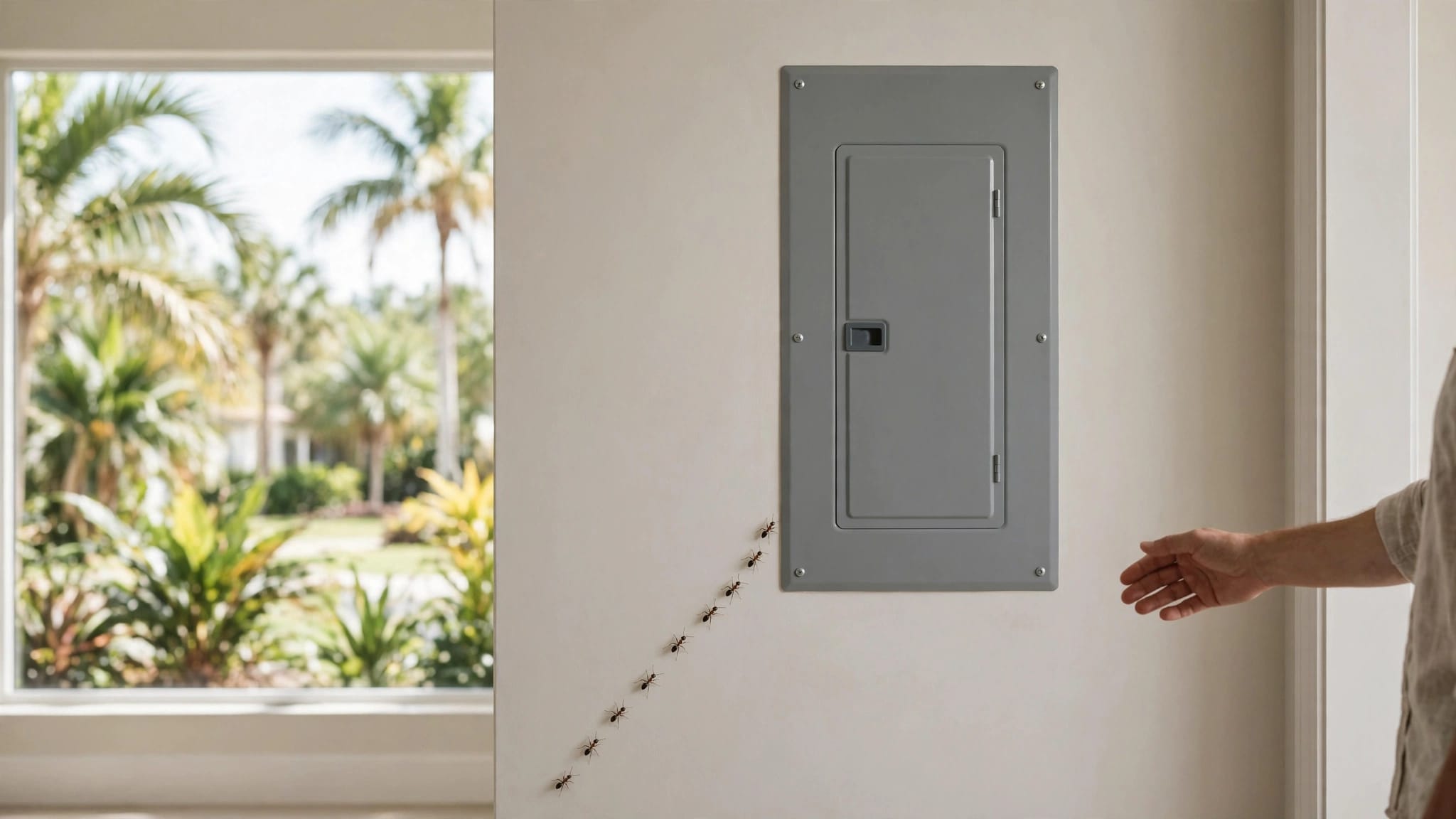
Water lines, electrical conduits, drainpipes, and boat lift wiring often pass through or near framing. Gaps around these penetrations can hide termite tubes and let moisture enter wall cavities.
Seal gaps with materials suited to the surface and local construction requirements. Avoid relying on expanding foam alone as a termite solution. Foam can conceal activity, and termites may travel behind it.
Also inspect deck ledgers, stairs, ramps, hose spigots, outdoor kitchens, and storage closets below elevated areas. These are common places for leaking water and inaccessible framing.
Use this waterfront termite checklist
At least twice a year, and after major storms, check the following:
- Remove lumber scraps, cardboard, palm fronds, and stored items from beneath the structure.
- Keep mulch, soil, and decorative stone below the lowest exposed wood.
- Clear gutters, scuppers, and drains so water moves away from piers and walls.
- Look for leaking hose bibs, damaged flashing, or plumbing drips beneath decks.
- Photograph new cracks, mud tubes, frass, or stained wood before repairs hide the evidence.
- Trim plants away from siding, vents, and dock connections to improve visibility.
Never enter a flooded or enclosed under-deck area if electrical equipment or damaged wiring may be present. Wait until the area is dry and safe to access.
Match termite treatment to the structure
There isn't one treatment that fits every waterfront property. The termite species, construction style, soil conditions, access, water exposure, and existing damage all affect the right choice.
A proper Florida termite protection plan begins with evidence, not a preferred product. A licensed technician should inspect accessible framing, foundation areas, attic spaces, pier connections, moisture sources, and visible damage.
Liquid soil barriers need careful placement
Liquid termiticides can create a treated zone in soil around foundations and structural entry points. On a waterfront property, treatment design must account for drainage, runoff, and nearby water.
Never apply leftover pesticide near a canal, seawall, dock, or storm drain. Florida pesticide rules require label-compliant use, and a professional should handle applications that need trenching, drilling, or treatment near sensitive areas.
Bait stations support ongoing monitoring
Termite bait stations are placed in the ground and checked on a scheduled basis. They can work well where regular monitoring is practical and soil placement is possible.
However, a bait system may not suit every elevated structure. A dock over water, a heavily paved lot, or a property with limited soil access can require a different approach. Compare termite bait stations and liquid treatments after a site inspection, not before one.
Wood treatments have limits
Borate wood treatments can help protect accessible framing, sill plates, and other suitable wood during construction or renovation. They don't repair termite damage, and they may not reach wood hidden behind finished walls or exposed to repeated leaching.
Keep treatment records. For applicable new construction work, Florida documentation may include the product, concentration, application date, treatment area, and applicator information. Those records can help during a sale, renovation, warranty review, or future inspection.
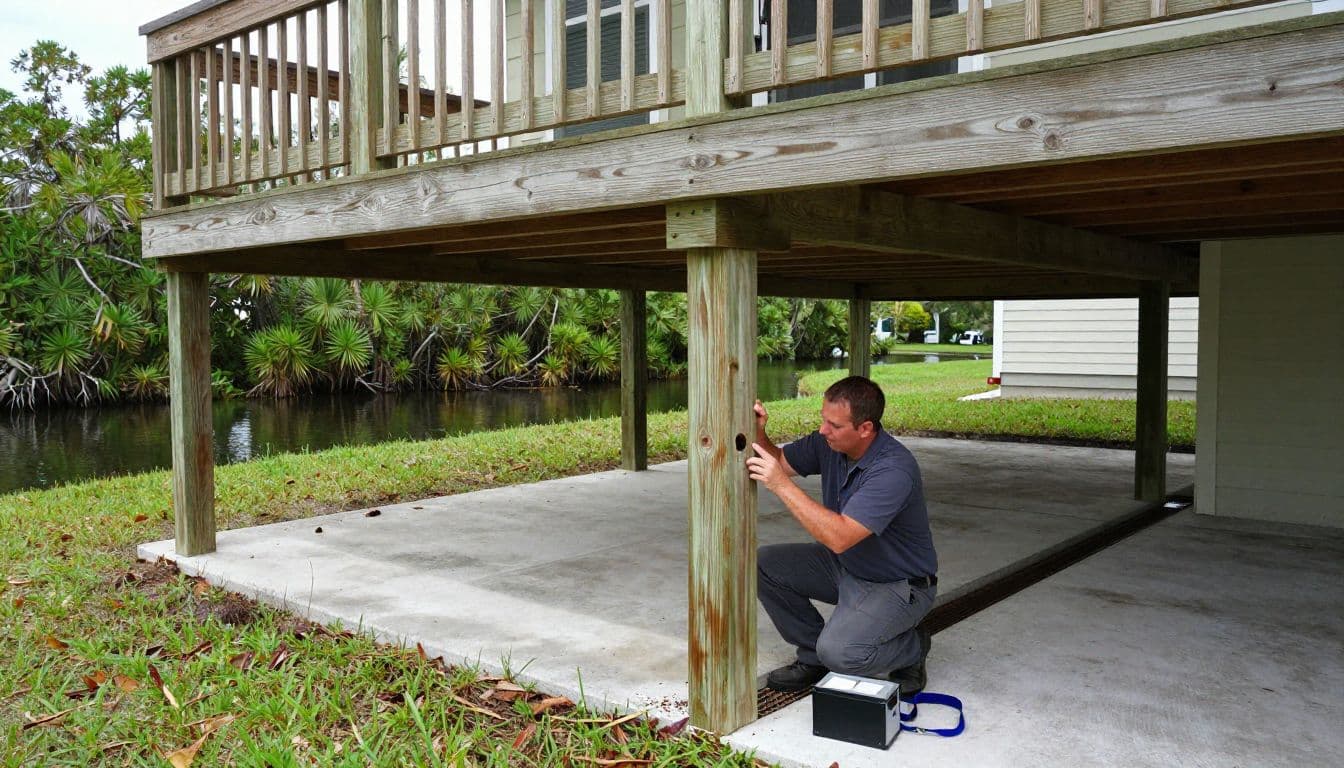
Schedule inspections and keep monitoring active
Termite damage often develops out of sight. Waterfront structures need recurring checks because moisture patterns change with weather, repairs, landscaping, and water levels.
An annual termite inspection is a sensible baseline for many Florida homes. Schedule an additional check after flooding, a hurricane, a plumbing leak, major exterior work, or a long period of vacancy.
A WDO inspection is different from a home inspection
A Florida wood-destroying organisms inspection looks for visible evidence of termites, other wood-destroying insects, fungi, damage, treatment evidence, and conditions that could support an infestation. It also documents inaccessible areas.
A general home inspection may flag rot or visible defects, but it isn't a substitute for a WDO report. If you are buying, selling, or renovating a waterfront property, review the difference between Florida WDO inspections and home inspections.
Keep warranties realistic and access clear
A termite warranty or service agreement should state what it covers, how often the company inspects, what homeowners must maintain, and whether repairs are included. Read the renewal terms before assuming damage coverage applies.
Most homeowner insurance policies exclude termite damage. Also, a service agreement may require you to correct leaks, remove wood debris, maintain access, and report signs of activity quickly.
For a boat house or waterfront home in Cape Coral, Fort Myers, Punta Gorda, Bonita Springs, or Sanibel, regular termite and pest protection can keep small conditions from becoming hidden structural problems.
A strong waterfront termite plan stays visible
Waterfront structures need attention because water, wood, and concealed spaces often sit inches apart. The most dependable approach combines dry conditions, ground-contact-rated materials where needed, clear inspection access, and treatment suited to the property.
Florida termite protection works best as ongoing maintenance, not a single project. Check vulnerable areas after wet weather, keep records, and bring in a licensed inspector when evidence or moisture conditions change.
Schedule a Free Inspection: