Dog Mosquito Bite Prevention for Southwest Florida Homes
Mosquitoes can turn a peaceful backyard break into a miserable night of scratching for your dog. In Southwest Florida, warm temperatures, summer rain, canals, and lush landscaping create plenty of places for these pests to breed.
A layered routine protects more than your dog's skin. It reduces mosquito exposure and supports veterinarian-guided care during walks and time outdoors.
Key Takeaways
- Use veterinarian-recommended, year-round heartworm prevention and keep up with annual testing. Heartworm medication does not repel mosquitoes, so it should be combined with exposure reduction.
- Remove standing water weekly and after heavy rain, including water in pet bowls, plant containers, gutters, toys, and low areas around the property.
- Limit outdoor exposure around dawn and dusk, maintain intact screens, use fans in sheltered areas, and bring dogs indoors at bedtime when possible.
- Never apply DEET, human bug spray, essential oils, or other unapproved products to your dog. Ask your veterinarian whether a labeled dog product is appropriate and follow its instructions exactly.
- Seek veterinary advice for worsening skin irritation or infection, and treat facial swelling, breathing difficulty, collapse, or other severe reactions as an emergency.
Why Southwest Florida mosquitoes are a dog health concern
Mosquitoes bite dogs as readily as people. Short-coated dogs and dogs with light-colored skin may show bites more easily, but any dog can get them.
The insects often target areas where fur is thin or skin is exposed. Look closely after a buggy evening outdoors, especially if your dog starts rubbing or chewing.
Where to find mosquito bites on dogs
Most mosquito bites on dogs look like small red bumps or raised welts. You may find them on the:
- Nose, ear edges, eyelids, and muzzle
- Belly, inner thighs, and groin
- Paw pads and spaces between toes
- Areas with sparse fur or irritated skin
A simple bite usually causes temporary itching and mild swelling. However, constant licking can break the skin and lead to a secondary infection. These signs aren't diagnostic, so check your dog rather than assuming every itchy spot is a mosquito bite. Fleas, fire ants, contact irritation, and skin allergies can look similar.
Heartworm disease is the larger risk
Mosquitoes can transmit Dirofilaria immitis , the parasite that causes heartworm disease. An infected mosquito deposits immature heartworm larvae when it feeds. Those larvae can develop inside a dog over roughly six to seven months.
Early infection may cause no clear signs. Mosquitoes can transmit several vector-borne diseases, including West Nile virus, but heartworm remains the primary dog-specific prevention concern discussed here.
As the disease progresses, dogs can develop coughing, tiredness during activity, weight loss, and trouble breathing. Treatment is difficult and carries risks, which makes prevention the safer path.
The American Heartworm Society and UF/IFAS support year-round prevention recommended by a veterinarian. Follow the selected product's correct dosing instructions and keep up with annual testing. Heartworm medication does not repel mosquitoes, though. Your dog needs both medical prevention and fewer mosquito encounters.
Dog mosquito bite prevention works best in layers
No single spray, collar, or yard treatment can block every bite. The most reliable plan combines veterinarian-guided heartworm prevention, reduced exposure, physical barriers, and yard maintenance.
Start by asking your veterinarian which heartworm preventive fits your dog's age, weight, health history, and lifestyle. Keep it on the schedule your veterinarian sets, and continue annual heartworm testing. If you miss a dose, discuss it promptly with your veterinary practice.
Reduce exposure when mosquitoes feed most
Peak mosquito activity often occurs around dawn and dusk. During heavy mosquito periods, move long walks to less buggy times when possible. Choose open, breezy routes instead of trails beside dense brush, canals, or wet ditches.
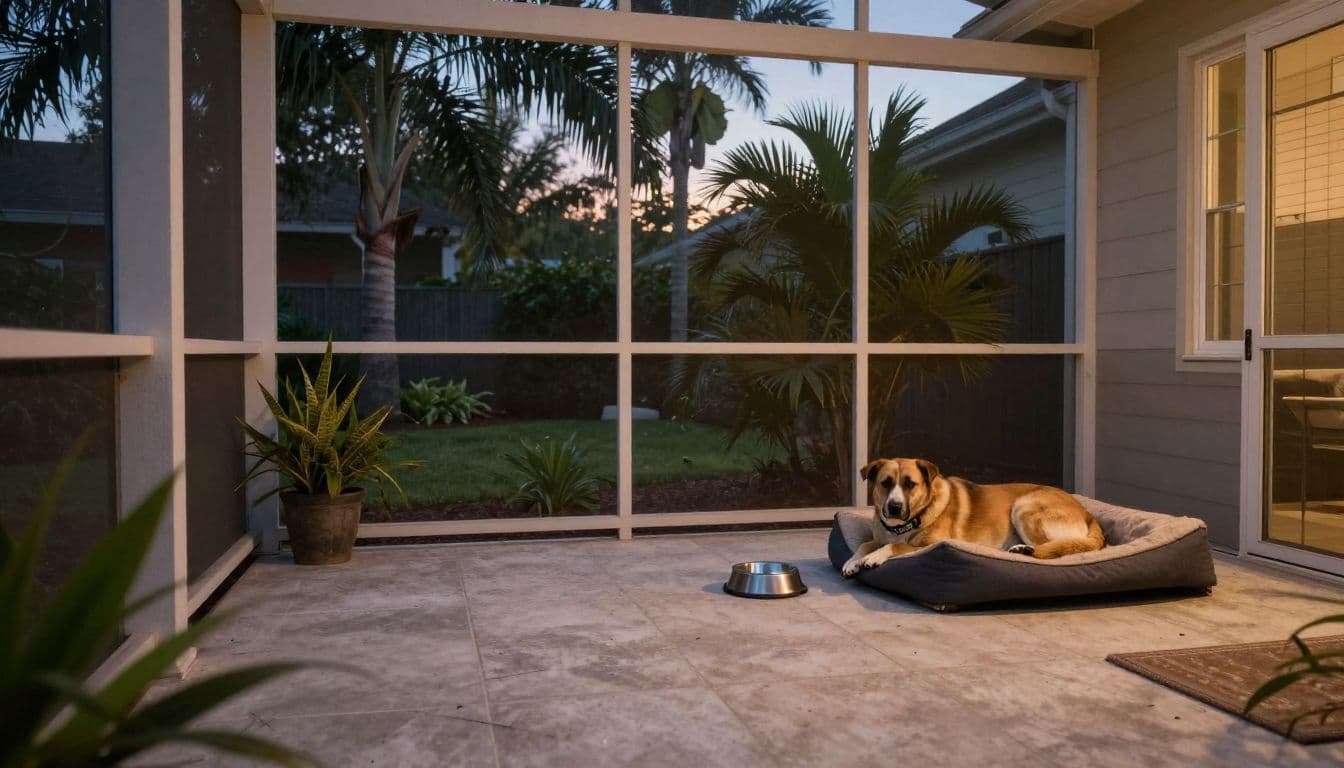
Keep potty trips short after sunset, especially following rainfall. A screened lanai gives your dog a more protected place to rest, but it needs intact screens and clean drains. Mosquitoes can still enter through torn mesh, loose doors, and gaps around utility lines.
Indoor dogs have lower exposure, yet mosquitoes can come inside. Repair window screens, close doors promptly, and empty water that sits indoors for more than a day.
Heartworm medication protects against a parasite after mosquito exposure. It doesn't make mosquito bites harmless or replace yard control.
Remove standing water before mosquitoes hatch
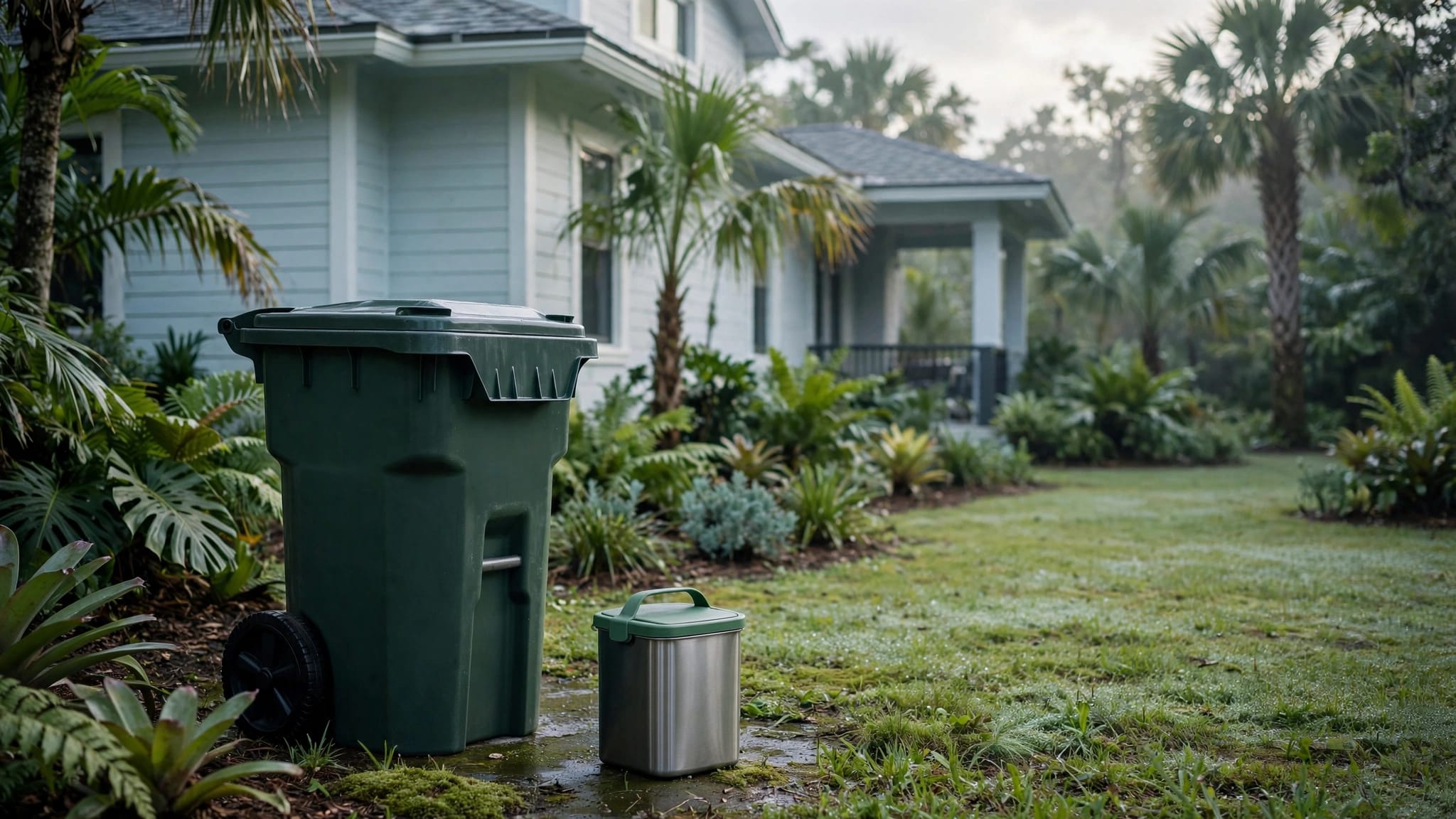
Female mosquitoes lay eggs in or near water. In Southwest Florida, even a small amount of standing water left after rain can become a mosquito breeding site. Sarasota County mosquito guidance calls out buckets, gutters, bird baths, plant containers, pet dishes, and water-holding plants as places that can become a breeding ground.
For pet owners, walk your property once a week, and again after hard rain. Start near the lanai, pool equipment, outdoor pet area, and shaded side yards.
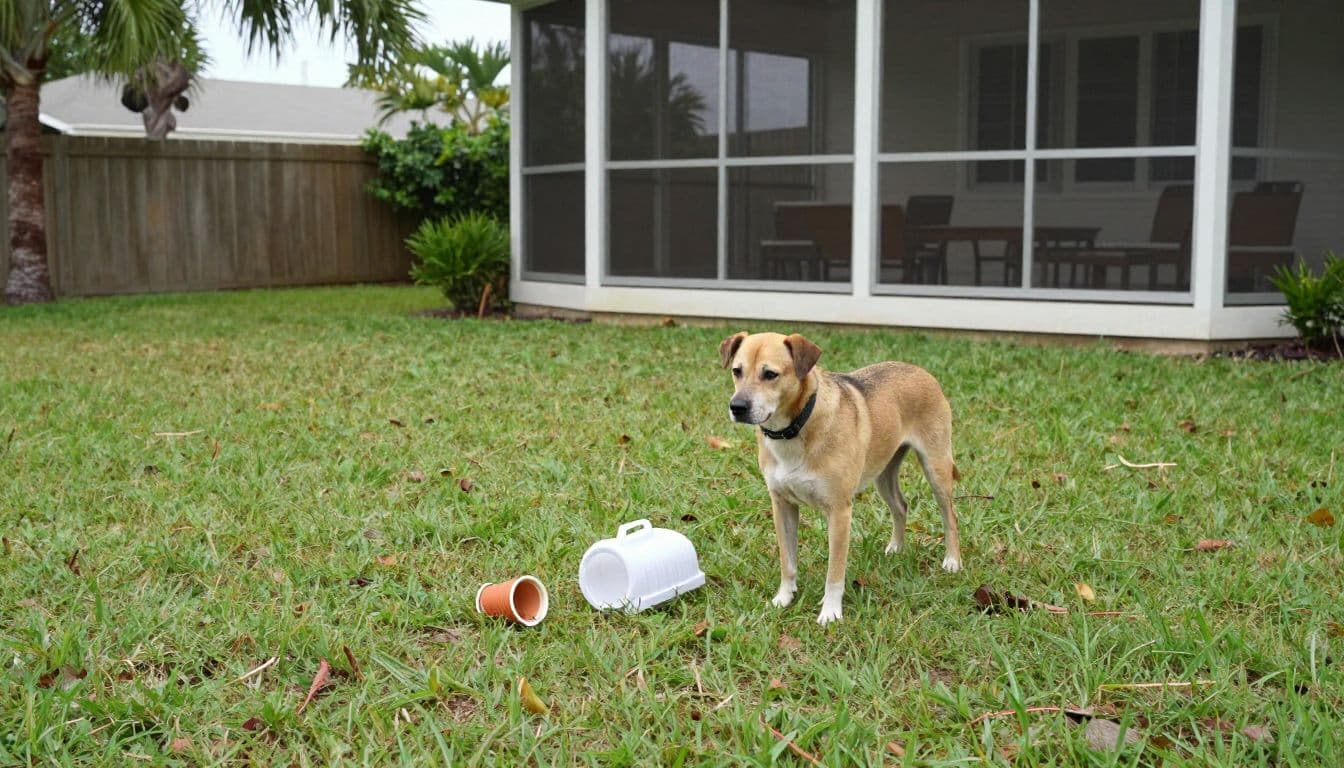
A weekly yard routine that makes a difference
- Dump water from saucers, toys, wheelbarrows, tarps, buckets, and overturned patio furniture.
- Scrub and refill dog water bowls daily, rather than topping off old water.
- Clear leaves from gutters and check that downspouts drain away from the house.
- Cover rain barrels and outdoor containers with tightly fitted lids or screening.
- Refresh bird baths often, and inspect bromeliads, tree holes, and low spots in the lawn.
Some water cannot be drained, such as ornamental ponds or drainage features. Don't add insecticide products without checking the label. Consult an appropriately licensed mosquito professional, especially around dogs, cats, pollinators, pools, and water features. They can inspect these areas and discuss targeted options.
A dry-looking yard may still hide breeding spots. Look under boats, behind sheds, inside grill covers, and around pool-cage corners where leaves block drainage.
Make patios, walks, and sleep areas less inviting
Your dog spends time where mosquitoes rest. These insects favor humid, shaded areas with dense vegetation and little air movement. A few property changes can make those spaces less comfortable for them.
Keep the patio and lanai tidy
Trim plants away from screen panels and doors. This improves airflow and makes it easier to spot tears in the enclosure. Clear leaf litter from blocked drains, furniture covers, and corners where rainwater pools.
Use outdoor fans where your dog relaxes under cover. Mosquitoes are weak fliers, so moving air can make a patio less appealing. Keep your dog's bed away from open doors and unscreened windows during the evening.
If your pool cage or lanai still has frequent mosquitoes, inspect it before treating. Mosquito control for Cape Coral pool cages can help homeowners identify common trouble spots around screened enclosures.
Plan outdoor activities around conditions
Rainy weeks usually bring more mosquito activity. Check your dog's coat and skin after outdoor activities in wet grass, especially near canals, retention ponds, mangroves, or thick shrubs.
A light-colored dog shirt may cover some skin during daytime outings, but it won't repel mosquitoes or replace heartworm prevention. Don't leave clothing on an unattended dog in hot weather. Overheating is a separate danger in Southwest Florida's humidity.
At bedtime, bring dogs inside when possible. If a dog sleeps in a garage, porch, or enclosed outdoor run, inspect every screen and remove water sources nearby.
Avoid human repellent and unapproved natural products
Human bug spray belongs on people, not pets. Never apply DEET, any human repellent, or a product intended for people to a dog. Dogs can lick treated fur, and DEET exposure can cause serious problems, including vomiting, lethargy, tremors, eye injury, or seizures.
Keep your own spray away from your dog's face and bedding. Let repellent dry fully on your skin before close contact, and store cans or wipes where pets can't chew them.
Natural repellents don't automatically mean safe
Don't put essential oils, including lemon eucalyptus oil, on your dog's skin or collar unless your veterinarian gives clear directions. Lemon eucalyptus oil is used in some human mosquito repellents, but that doesn't make it a dog-safe choice.
Concentrated oils can irritate skin, trigger digestive upset after licking, or cause more serious toxicity. Diffusers also expose pets through the air and spilled liquid. Puppies, older dogs, and dogs with breathing or skin problems may be more sensitive.
Ask your veterinarian about a mosquito repellent for dogs and whether dog-labeled topical treatments are appropriate for your dog. A veterinarian may evaluate a labeled product with mosquito claims, such as k9 advantix ii, but this isn't an endorsement. Verify the current label, species restrictions, dosing, and application instructions, then follow its directions exactly.
If cats live in your home, take added care. Some insecticides labeled for dogs, including products such as k9 advantix ii, can be dangerous to cats if a cat contacts wet product or grooms a treated dog.
Treat minor bites and recognize warning signs
Most mosquito bites on dogs improve with gentle basic care, but not every itchy bump comes from a mosquito. Bring your dog indoors, gently rinse the irritated area with cool water, and use a cone if needed to prevent persistent licking from worsening it. Avoid human anti-itch creams, antihistamines, and pain relievers unless your veterinarian tells you what to use.
Watch the site over the next day or two. Mild skin irritation, including redness, a small bump, and brief itching, often improves without treatment.
Call your veterinarian for worsening skin problems
Arrange advice from your veterinary team if swelling grows, bites become painful, or your dog keeps chewing the same area. Chewing or licking can break the skin and cause a secondary infection, so call if there is pus, a bad odor, scabbing, hair loss, or other signs of infection.
Dogs with chronic allergies can react more strongly to insect bites. Their skin barrier is already irritated, so minor bites may create a larger itchy patch. Your veterinary team can help distinguish a bite reaction from flea allergy dermatitis, mange, or another skin condition.
Treat severe reactions as an emergency
Seek urgent veterinary care for facial swelling, widespread hives, repeated vomiting, diarrhea, weakness, pale gums, breathing difficulty, or collapse. These signs may indicate a serious allergic reaction or anaphylaxis, rather than an ordinary local bite response.
Do not wait to see whether breathing difficulty improves. Call your veterinary clinic or animal hospital while you're on the way.
This article is educational and does not replace veterinary care. Contact your veterinarian promptly whenever you're unsure about a bite, a product, or a change in your dog's behavior.
When professional mosquito control helps protect your dog
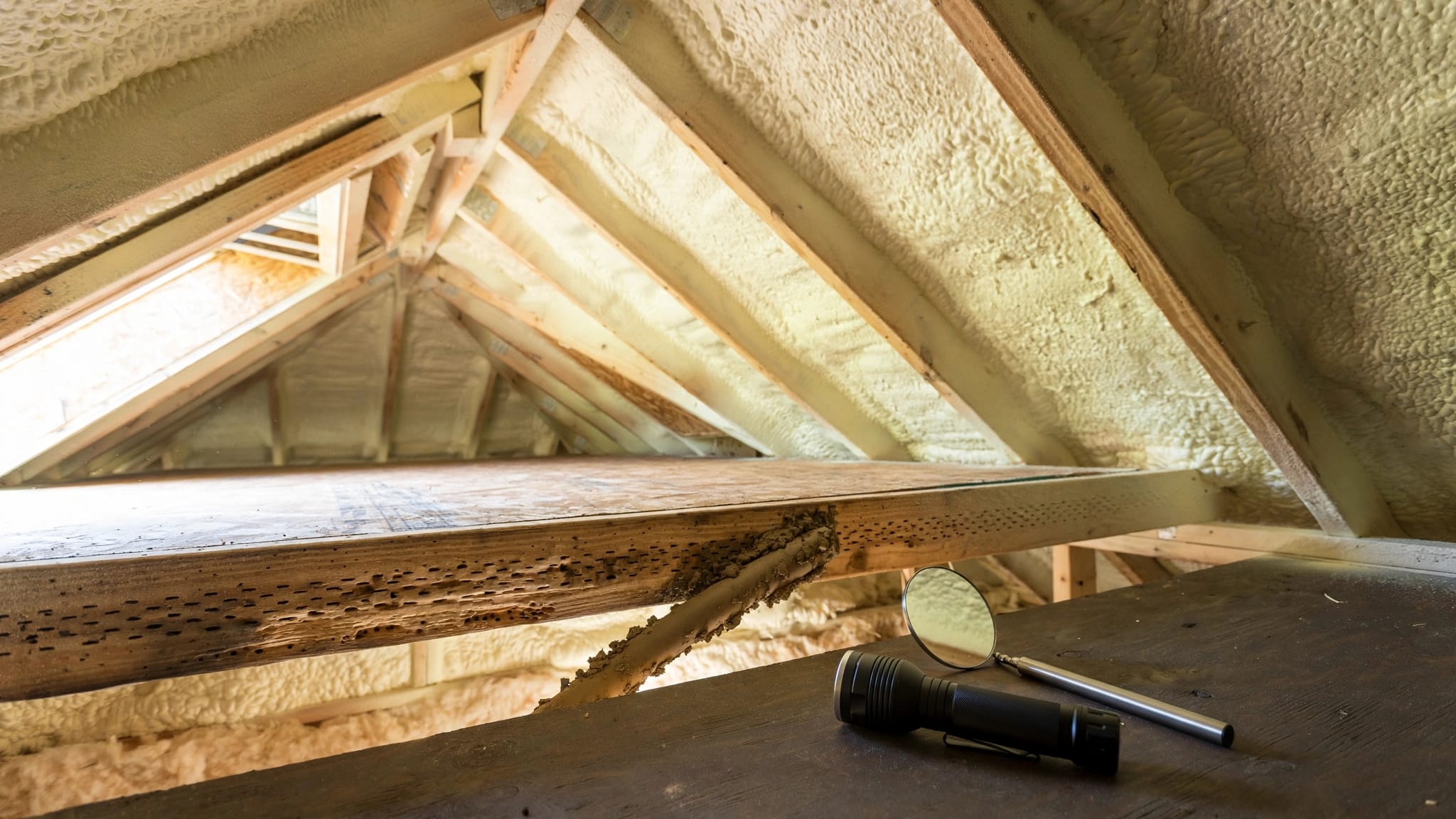
Weekly water checks reduce many mosquito breeding sites, but some properties still have a high mosquito population. Large lots, thick vegetation, drainage areas, pool cages, and nearby water can keep mosquito pressure high, even with regular water removal.
A pest professional can inspect places homeowners often miss, then apply targeted treatments according to label directions. Pet owners should ask what areas will be treated, which precautions apply, and how long dogs should stay away from treated surfaces.
A professional may also discuss mosquito traps, but they don't replace standing-water removal, screened barriers, veterinarian-guided prevention, or other exposure-reduction steps.
For Cape Coral, Fort Myers, Punta Gorda, Bonita Springs, and Sanibel homes, professional mosquito control in Cape Coral can support the daily habits that protect pets and people.
Frequently Asked Questions
Does heartworm medication prevent mosquito bites?
No. Heartworm medication helps protect dogs from the heartworm parasite after exposure, but it does not repel mosquitoes or make bites harmless. Combine veterinarian-guided prevention with fewer mosquito encounters and regular yard maintenance.
What can I do to reduce mosquitoes around my dog?
Walk your property weekly and after heavy rain to remove standing water from bowls, toys, gutters, containers, and low spots. Maintain screens, trim dense vegetation, improve airflow with outdoor fans, and limit outdoor time around dawn and dusk when mosquitoes are active.
Can I use DEET or human bug spray on my dog?
No. Human repellents, including DEET, can be dangerous when applied to dogs or licked from their fur. Ask your veterinarian about any dog-labeled product and follow its current label, species restrictions, dosing, and application instructions.
Are essential oils safe mosquito repellents for dogs?
Not automatically. Concentrated essential oils, including lemon eucalyptus oil, can irritate skin or cause illness after licking or inhalation, so do not apply them unless your veterinarian gives clear directions.
When should I call the veterinarian for a mosquito bite?
Contact your veterinary team if swelling grows, the area becomes painful, or your dog keeps licking or chewing it, especially if you notice pus, odor, scabbing, or hair loss. Seek emergency care for facial swelling, widespread hives, repeated vomiting, weakness, breathing difficulty, pale gums, or collapse.
A safer routine for mosquito season and beyond
The strongest defense against mosquito bites is steady, ordinary care. Use veterinarian-recommended heartworm prevention, drain water after rain, limit evening exposure, maintain screens, and skip human repellents or unapproved oils.
Layered bite prevention works best when it becomes part of your weekly home routine. Fewer breeding sites and bites help your dog enjoy more comfortable outdoor time in Southwest Florida.
Schedule a Free Inspection: