Gulf Coast Ticks in Cape Coral Dog Runs and Fence Lines
A tidy Cape Coral yard can still pick up ticks at the edges. That matters when your dog spends time in a run, along a fence, or in the shady strip behind the house.
Warm, wet weather gives Gulf Coast ticks and other local pests plenty of cover. The good news is that most problem spots are easy to find once you know where they hide.
Why Cape Coral fence lines attract ticks
Cape Coral heat, summer rain, and steady irrigation keep many fence borders damp for long stretches. Add shade from shrubs, palms, or a privacy fence, and you get the kind of cover ticks like.
Fence lines also stay quiet. Grass does not get cut as often near the back corner, leaves collect under shrubs, and fence posts create little pockets where debris sits still. Ticks do not need a messy yard. They need shelter, moisture, and a place to wait.
That is why the outer edge of a yard often matters more than the center. A mower may make the lawn look clean, yet the strip along the fence can still hold Gulf Coast ticks. If you want a focused start, tips for tick control in dog-friendly yards can help you zero in on the places that matter most.
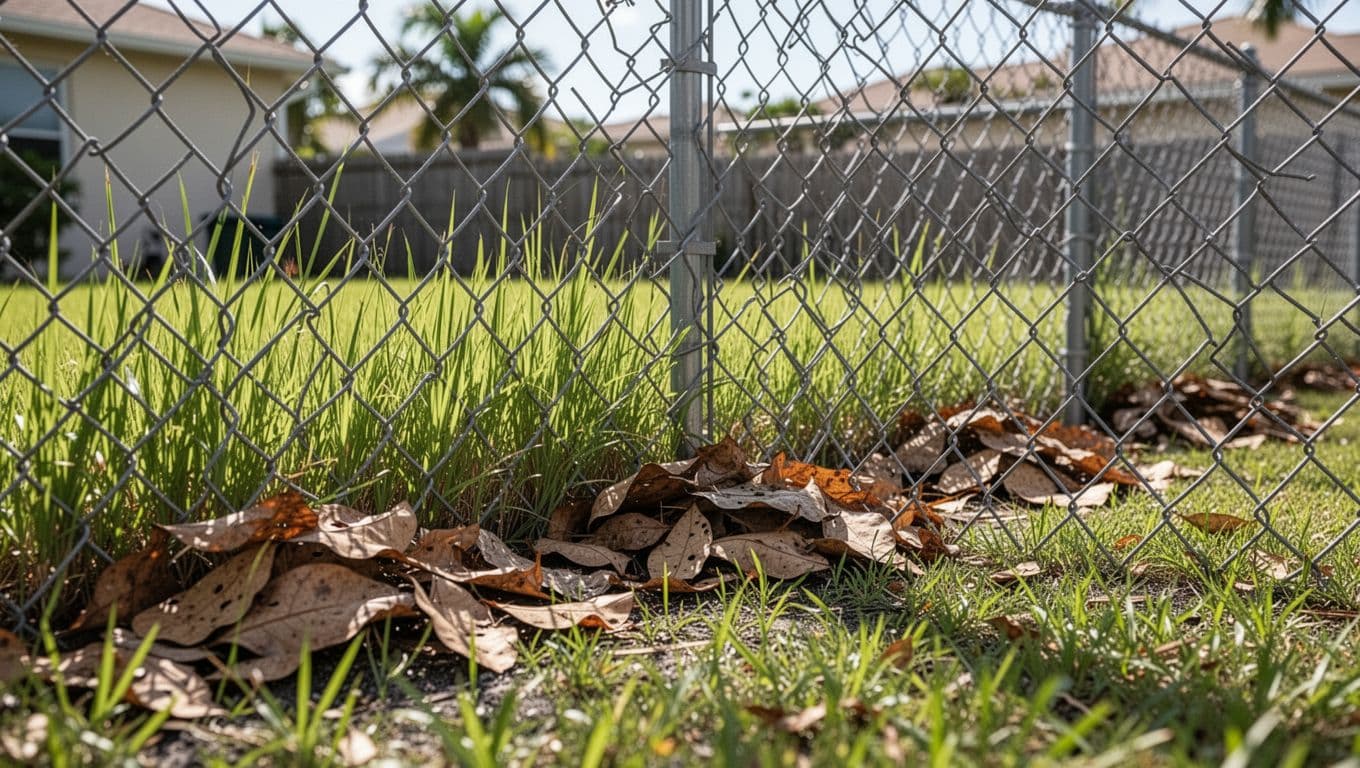
A fence line can act like a hallway for ticks. It gives them shade, cover, and a place to wait.
The same pattern shows up around gates, utility corners, and anywhere weeds touch the fence. In Southwest Florida, one afternoon of rain can keep those spots damp well into the next day. That is enough to keep the edge of the yard active even when the middle looks dry.
How dog runs turn into tick spots
Dog runs get walked on every day, but that does not always make them safer. If the run sits beside a fence, gets watered by nearby sprinklers, or stays shaded by a tree, the border can stay damp and covered.
Dog traffic can also push grass flat along the edges. That gives ticks a lower, cooler place to hide. A run with packed dirt, a narrow grass strip, or a patch of mulch near the fence can collect more debris than you expect.
Check these spots first:
- fence corners where wind drops leaves
- gate hinges and latch posts
- the ground beneath water bowls
- shaded grass right outside the run
- the base of shrubs, hedges, or palms near the fence
A short walk around the run after rain tells you a lot. If the border feels soft, looks dark, or holds clumps of leaf litter, it needs attention. A plan like tips for tick control in dog-friendly yards helps keep the work focused on the edge first.
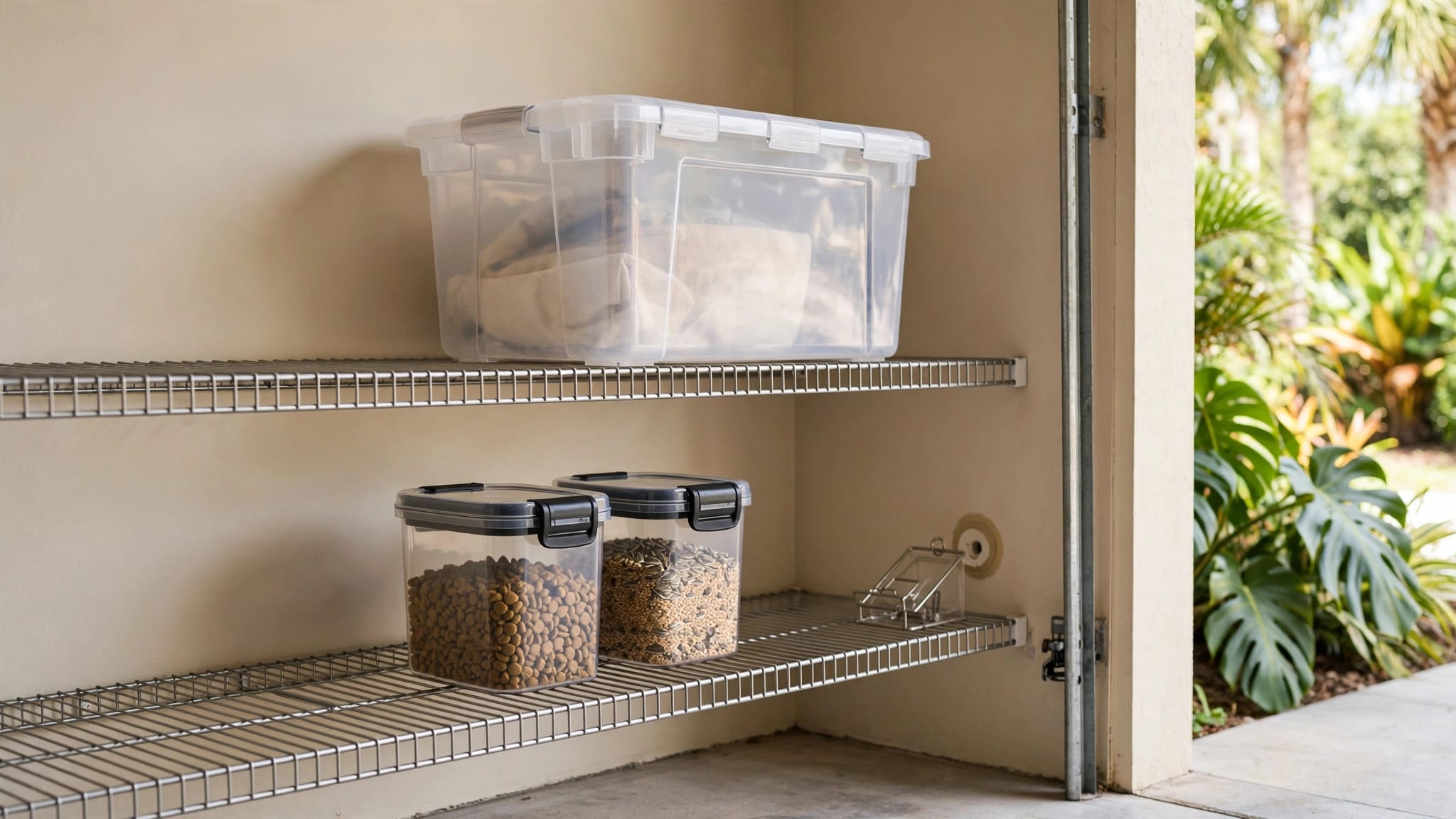
Pet food and spilled kibble should stay off the ground. They can bring in rodents, and rodents add more pest pressure around the same edges. If your dog spends time in the run every day, a quick cleanup after meals and playtime makes a difference.
Practical maintenance that makes the border less inviting
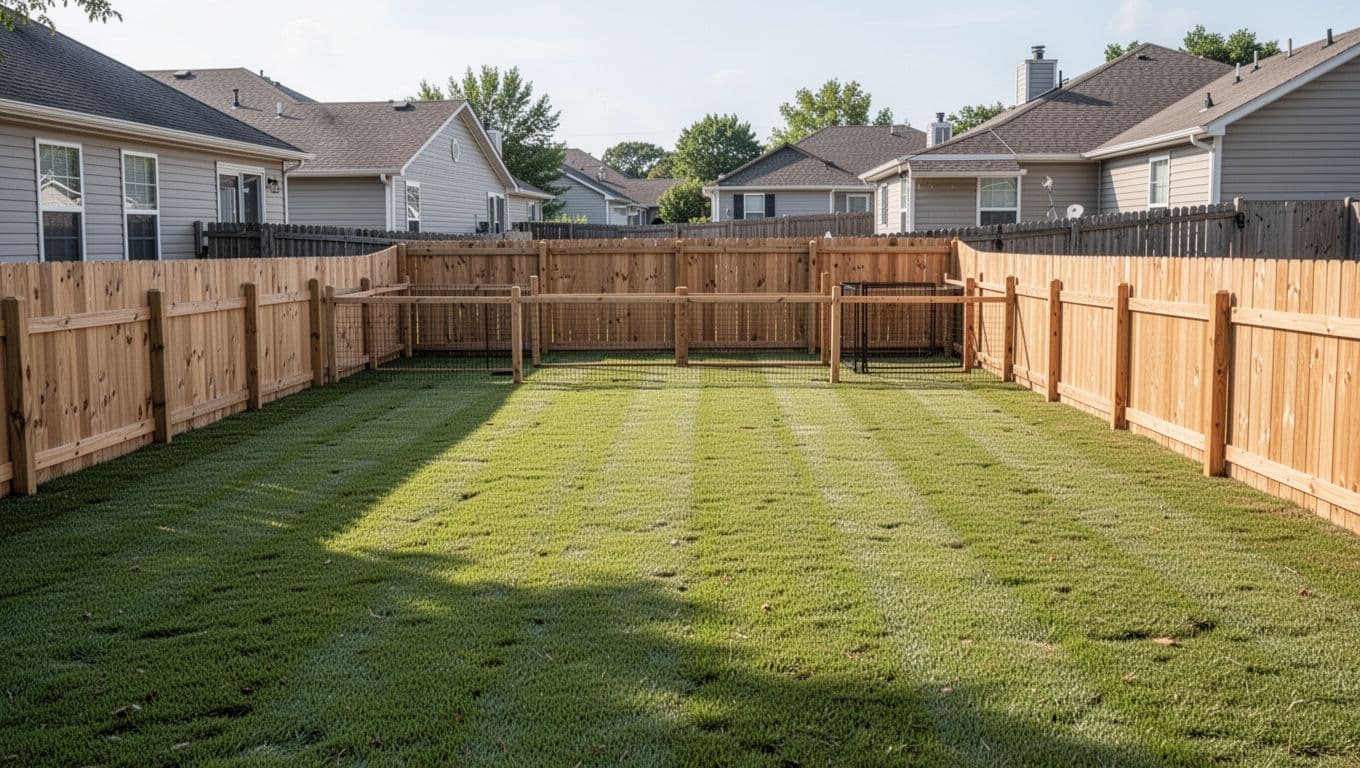
A clean run helps, but the real work starts at the border. Short grass near the fence makes it harder for ticks to hide, and open ground gives you a better view of what is happening there.
Keep the fence line trimmed low, especially after rain. If weeds keep returning, cut them before they flower and spread. The goal is simple, leave enough open space so you can see the soil and the base of the fence.
Leaf litter matters too. A few clumps of leaves can hold moisture for days, and that is enough for Gulf Coast ticks to stay comfortable. Rake out debris after storms, then keep the area clear enough that new leaves do not pile up unnoticed.
Irrigation needs a look as well. In Cape Coral, overspray often hits the same strip day after day. When that happens, the fence line stays wet longer than the rest of the yard. Adjust the heads so they water grass, not the base of the fence or the dog run.
A simple weekly habit works best:
- trim the edge
- remove leaves and clippings
- dry out standing water
- check gates, corners, and shade pockets
- keep the dog area open and easy to inspect
That routine keeps the yard from turning into a hidden pocket of moisture. It also makes the next tick check faster, because you can spot trouble without guessing.
When ticks may be moving indoors
If your dog keeps picking up ticks even after yard cleanup, the problem may not stop outside. Ticks can ride in on fur, then drop into dog beds, couch seams, laundry piles, or floor cracks.
That is where brown dog ticks can become a home issue. They fit into small gaps and use pet rest areas as hiding spots. If that sounds familiar, signs of brown dog ticks in your home can help you sort out where to look next.
Check the room where your dog naps first. Look at the bed, the blanket folds, the baseboards nearby, and the edges of crates or kennels. If you find more than one tick indoors, keep looking before you assume it came from one trip outside.
Any time your dog has a bite, skin irritation, or a change in behavior, call your veterinarian. Pet health questions deserve a vet's advice, especially when you are not sure how long a tick was attached or what kind it was.
Conclusion
Cape Coral fence lines and dog runs can look harmless, yet they often hold the damp shade that ticks prefer. The answer is not a perfect yard, it is a yard with open edges, less clutter, and regular checks after rain.
Start with the border, then watch your dog's favorite path through the yard. If ticks keep showing up, a targeted pest control plan and a veterinarian's guidance on prevention can help you get ahead of the problem before it spreads.
Schedule a Free Inspection: