Firewood Storage Florida: Keep Woodpiles Away From Your Home
A neat woodpile can still create a pest-friendly pocket beside your house. In Florida's heat, rain, and humidity, firewood storage Florida homeowners choose matters because damp wood and sheltered gaps can attract termites, carpenter ants, roaches, and rodents.
Firewood does not automatically cause a termite problem. However, a pile against the foundation gives wood-destroying pests food, cover, and a short route to the structure. A few placement habits can reduce that opportunity.
Why Florida firewood piles attract termite activity
Termites need food, moisture, and protected travel routes. A shaded firewood stack can offer all three, especially after summer rain or near an irrigation zone.
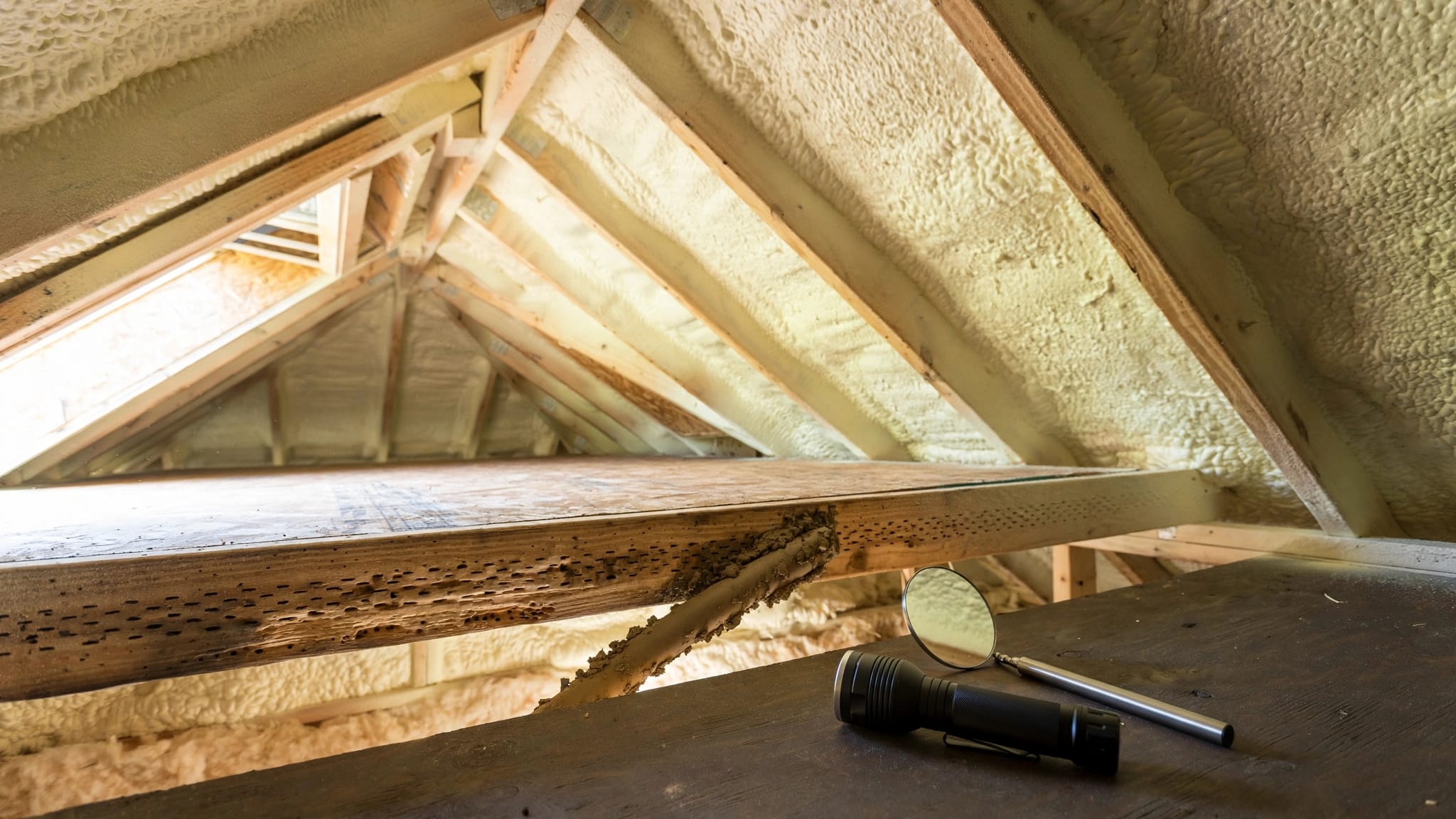
Subterranean termites live in the soil and often travel through covered pathways. When firewood rests on the ground beside a home, pests can move between the pile and the foundation without much exposure.
Woodpiles can hide early warning signs
A stack pressed against stucco, siding, or a slab edge makes inspections difficult. Mud tubes, damaged trim, and moisture problems may stay hidden behind the pile for months.
The wood may also conceal carpenter ants, spiders, cockroaches, and rodents. Moving the stack away creates a clear view of your exterior walls, which makes routine checks faster and more useful.
Florida moisture makes poor placement worse
Rainy-season downpours soak exposed logs and the soil beneath them. Meanwhile, sprinklers can keep one section of a yard damp long after the rest has dried.
Avoid placing firewood beneath dripping rooflines, beside air-conditioning condensate drains, or in low areas where water collects. Dry wood is easier to burn, and a drier storage area is less inviting to many pests.
Firewood storage Florida homeowners can set up safely
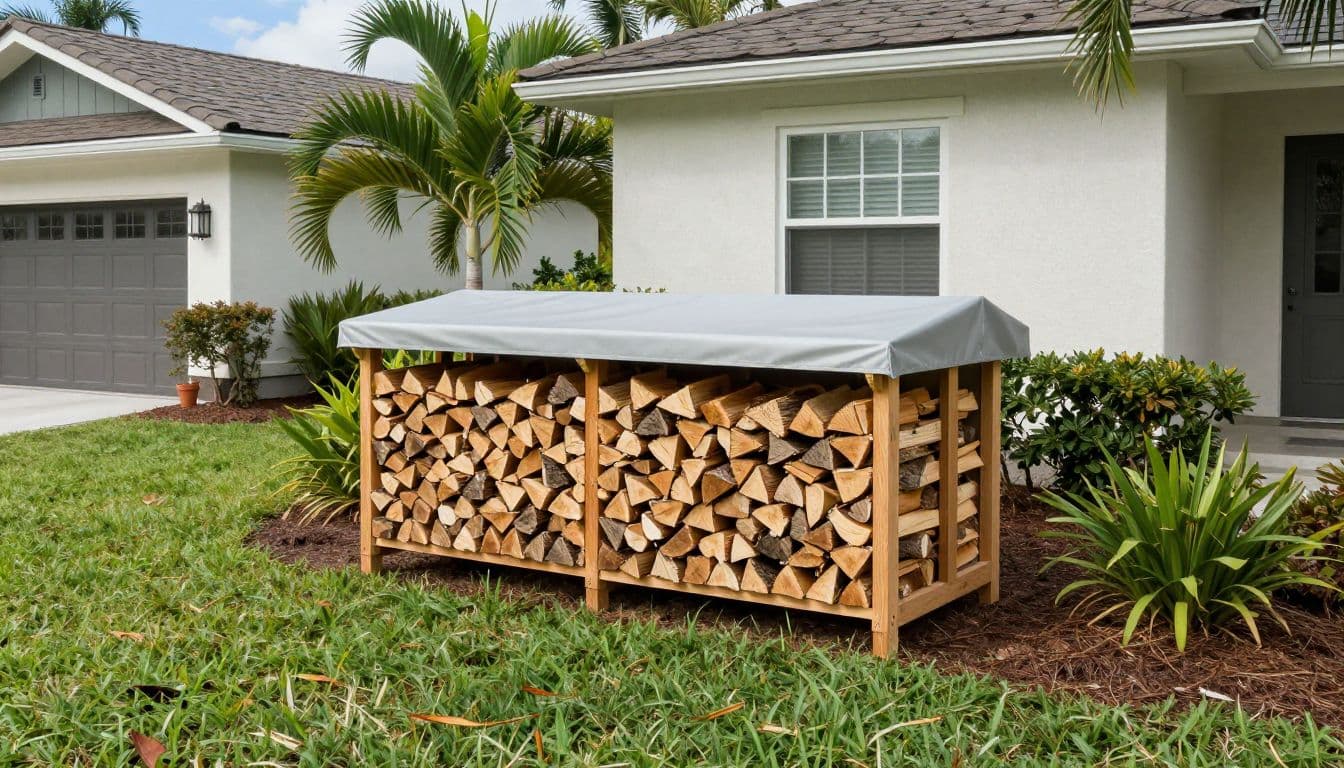
Choose a location with sun, airflow, and enough room to walk around the rack. A practical target is at least 20 feet from the home when your property allows it.
Keep the stack away from the main house, then apply the same rule to other structures. Firewood should never sit against a garage, porch, shed, fence, pool enclosure, outdoor kitchen, or deck.
Pick an open spot with a clear perimeter
Set the rack on a well-drained part of the yard. Leave open space around every side so air can move through the pile and you can inspect the ground below it.
Don't tuck logs behind shrubs or place them along a fence line. Dense landscaping and fences give rats and insects cover, while the wood adds nesting material and shelter. If a patio kitchen is nearby, preventing rats around outdoor living spaces starts with clearing out protected storage spots.
Keep access easy without moving wood closer
Many homeowners store a small amount of wood near the patio for convenience. That approach can work if the wood is only there briefly and stays off the ground.
For longer storage, keep the main stack in the yard and bring in a few logs only when you plan to use them. Return unused wood to the outdoor rack instead of leaving it on the porch overnight.
A clear gap around a woodpile does more than discourage pests. It lets you spot mud tubes, rodent droppings, and excess moisture before they blend into clutter.
Raise firewood above Florida soil
Ground contact is one of the biggest problems with a woodpile. Soil holds moisture, and it gives subterranean termites direct access to the bottom logs.
Use a sturdy metal rack, treated lumber rack, concrete blocks with supports, or another stable platform. The goal is to keep every log above the soil and allow air to reach the underside.
Give the bottom row room to dry
Aim for several inches of clearance beneath the rack. More space is helpful in wet yards, as long as the pile remains stable and safe.
Don't place a tarp directly beneath the wood. It can trap moisture against the soil and create another hidden space for pests. Gravel or a well-drained bare area is often easier to monitor than thick mulch.
Stack split logs loosely enough for air to circulate. Tight stacks retain moisture longer, particularly when the pile sits in shade. Place cut ends where they can receive moving air and occasional sun.
Remove fallen bark and wood scraps
Bark, splinters, and old logs accumulate under racks over time. Sweep or rake them away during yard cleanup, especially after storms.
Also remove rotting landscape timbers, discarded lumber, and old stumps near the foundation. These materials create the same food-and-shelter issue as a poorly placed firewood pile. For more steps around the exterior, see these termite prevention tips for Cape Coral homeowners.
Cover the top, not the entire woodpile
Firewood needs protection from rain, but it also needs airflow. Covering the full stack with a tarp often traps humid air and slows drying.
Use a waterproof cover, sheet of metal roofing, or fitted firewood rack cover that protects the top only . Leave the sides and ends open. Extend the cover slightly beyond the stack so rain runs away from the wood.
Avoid moisture traps and pest shelters
A tarp tied tightly around the pile creates a dark, damp enclosure. That space can shelter insects, rodents, frogs, and lizards, while the wood stays wet.
Check the cover after heavy rain and tropical weather. Secure loose material, but do not seal the sides. If leaves and palm fronds collect on top, clear them away so water can drain freely.
A dry, open stack also makes it easier to see changes. Fresh soil lines, mud tubes, or piles of insect wings stand out more clearly when the storage area isn't buried in debris.
Keep firewood separate from every structure
The safest firewood storage in Florida leaves a visible gap between wood and anything built. That rule includes structures that may seem less important than the house.
A woodpile against a fence can give pests a protected route along the property line. Logs against a garage can conceal cracks around utility lines or the door frame. A porch stack can put insects within steps of the nearest entry door.
Avoid these common storage spots
Keep firewood out of the locations below, even when space feels limited:
- Against exterior siding, stucco, brick veneer, crawlspace vents, or slab foundations.
- Beneath porches, decks, screened lanais, and stairways.
- Along fences, retaining walls, sheds, garages, pool cages, and outdoor kitchens.
- In thick mulch beds, under dense shrubs, or beside irrigation heads.
- Inside the garage for seasonal storage.
A small space can still work if it is open, raised, dry, and separated from structures. In other words, convenience should not erase the inspection gap around your home.
Check the surrounding yard conditions
Firewood placement works best with basic moisture control. Direct downspouts away from the foundation, repair dripping spigots, and adjust sprinklers that hit the walls or woodpile.
Keep mulch and soil below weep holes and away from wood siding. Trim branches and vines that touch walls or rooflines. These details reduce hidden routes that pests use to reach a home.
Inspect logs before bringing them indoors
Outdoor storage is safer than indoor storage because wood can contain insects that stay hidden under loose bark or inside cracks. Before carrying logs inside, inspect each piece in daylight.
Look for mud-packed tunnels, tiny exit holes, piles of sawdust-like debris, live insects, or soft areas of decayed wood. Wear gloves when handling rough logs, and avoid bringing in pieces that show obvious pest activity.
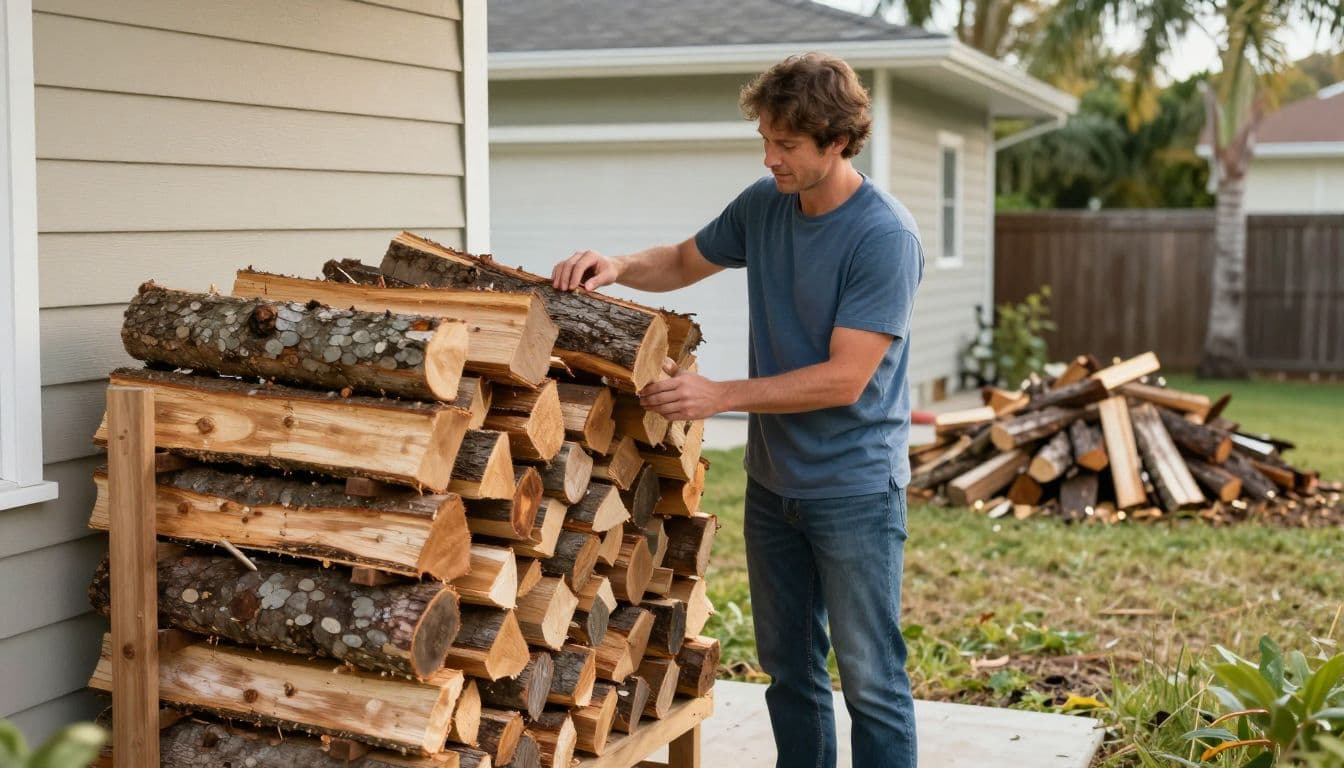
Move only what you plan to burn
Bring in a small amount shortly before using the fireplace or fire pit. Do not build an indoor reserve pile in a closet, garage, lanai, or beside the hearth.
If you find insects in a log, place it back outside away from the house and use another piece. Don't spray household chemicals onto firewood that you plan to burn. Chemical residues can create a safety concern when heated.
Know when a professional inspection makes sense
Termite activity around a woodpile does not prove termites have entered the house. Still, visible mud tubes on a foundation, damaged wood, swarming insects, or discarded wings near doors and windows deserve prompt attention.
Learn the common termite infestation warning signs so you can separate a storage issue from a possible home problem. A licensed termite professional can inspect the structure and recommend treatment only when it fits the findings.
A simple firewood storage routine for Florida homes
Set up the rack correctly, then keep it that way with short monthly checks. The routine takes little time and prevents the woodpile from becoming another blind spot in the yard.
Use this quick check after storms, landscaping work, or long periods of rain:
- Confirm that the rack still keeps every log off the ground.
- Clear wet leaves, loose bark, and fallen logs from beneath the stack.
- Check that the top cover is secure while the sides remain open.
- Look around the foundation for mud tubes, damp spots, and wood debris.
- Move any firewood that has drifted toward the home, garage, porch, fence, or shed.
- Inspect logs outside before carrying a small amount indoors.
Firewood storage needs attention after a move, a remodel, or a new landscaping project. Contractors and guests may shift logs closer to the house without realizing why the gap matters.
Keep the warmth, lose the pest shelter
A good woodpile belongs on a raised rack, in an open and dry yard area, well away from your home and other structures. Cover the top, leave the sides open, and keep the ground beneath it clear.
Those habits won't guarantee a termite-free property, but they remove an easy food source and hiding place near the foundation. Smart firewood storage Florida homeowners maintain makes exterior inspections simpler and gives pests fewer protected paths toward the house.
Schedule a Free Inspection: