Hammerhead Worms in Cape Coral Mulch Beds and Cracks
A heavy Cape Coral rain can bring hammerhead worms out of hiding fast. One day your mulch bed looks normal, then a flat, ribbon-like worm slides across a paver seam or into a sidewalk crack.
That sudden appearance can look alarming, but it usually points to one thing: moisture. If you keep finding them near irrigation zones, shaded mulch, or patio edges, the yard is giving them what they want.
The good news is simple. Once you know how to spot them, where they hide, and how to remove them safely, they become much easier to deal with.
What hammerhead worms look like in a Cape Coral yard
Hammerhead worms are easy to miss at first because they move slowly and stay low to the ground. Their body is flat, smooth, and soft, almost like a living strip of ribbon.
The head is the giveaway. It looks wider than the body and has a hammer-shaped or spade-shaped front end. Color can vary, so don't expect every one to look the same.
Common signs include:
- A flat body that glides instead of wriggles.
- A head that looks wider than the rest of the body.
- Tan, brown, gray, or dark coloring, sometimes with stripes.
- A shiny slime trail on concrete, mulch, or pavers.
They are not earthworms, and they don't behave like them. Earthworms burrow and help break down soil. Hammerhead worms stay on the surface and hunt other worms and small soil creatures.
If you spot one in daylight, it usually means the ground stayed damp overnight or the area got watered recently. In Cape Coral, that is common after rain, sprinkler use, or runoff from a roof line.
Where they hide after rain and heavy watering
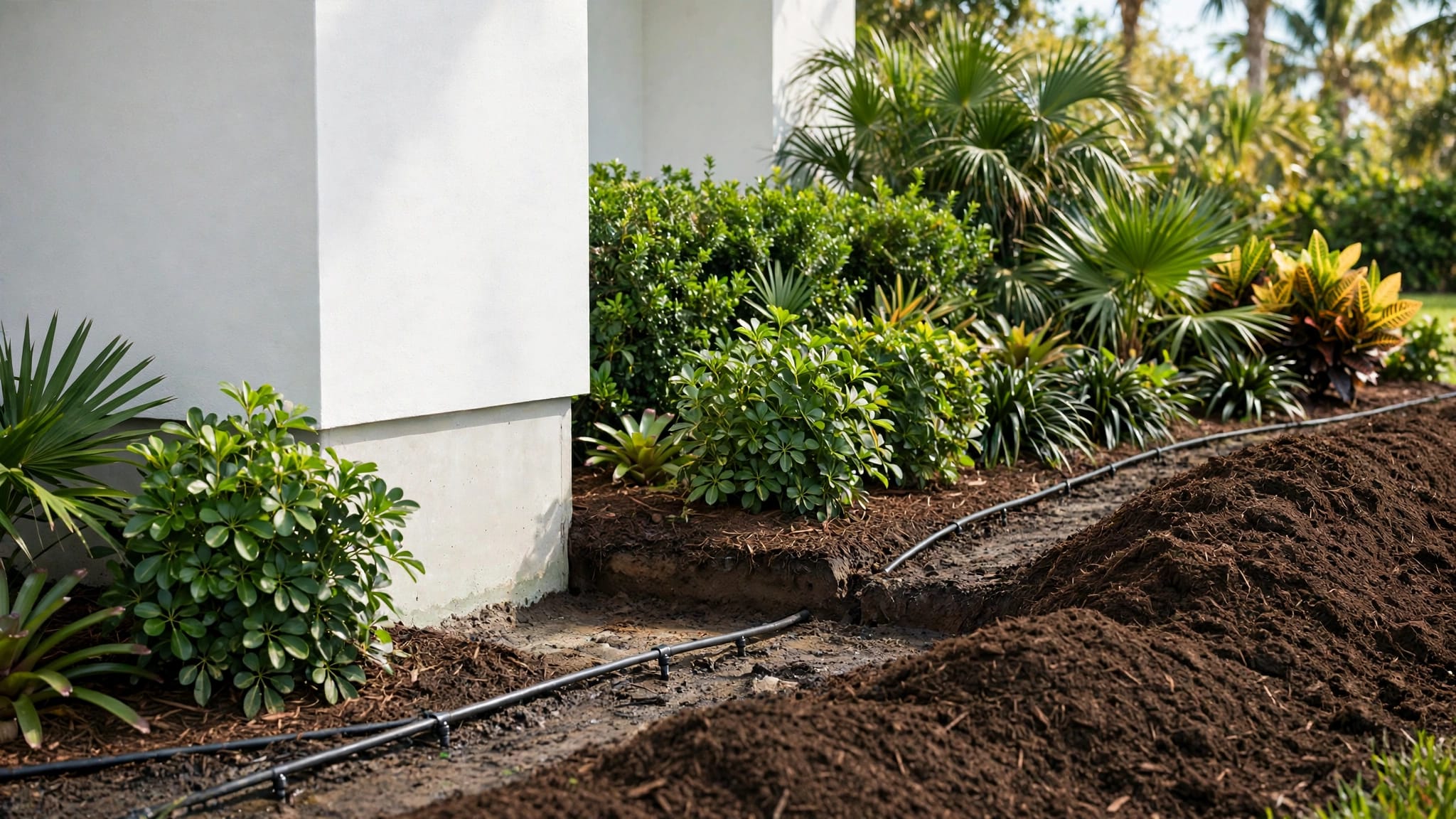
Hammerhead worms like places that stay cool, damp, and protected from direct sun. That makes mulch beds a prime spot, especially when the mulch is thick or holds water.
They also slip into small spaces that trap moisture. Sidewalk cracks, paver joints, pool deck edges, and expansion gaps can all hold enough dampness for them to rest in during the day.
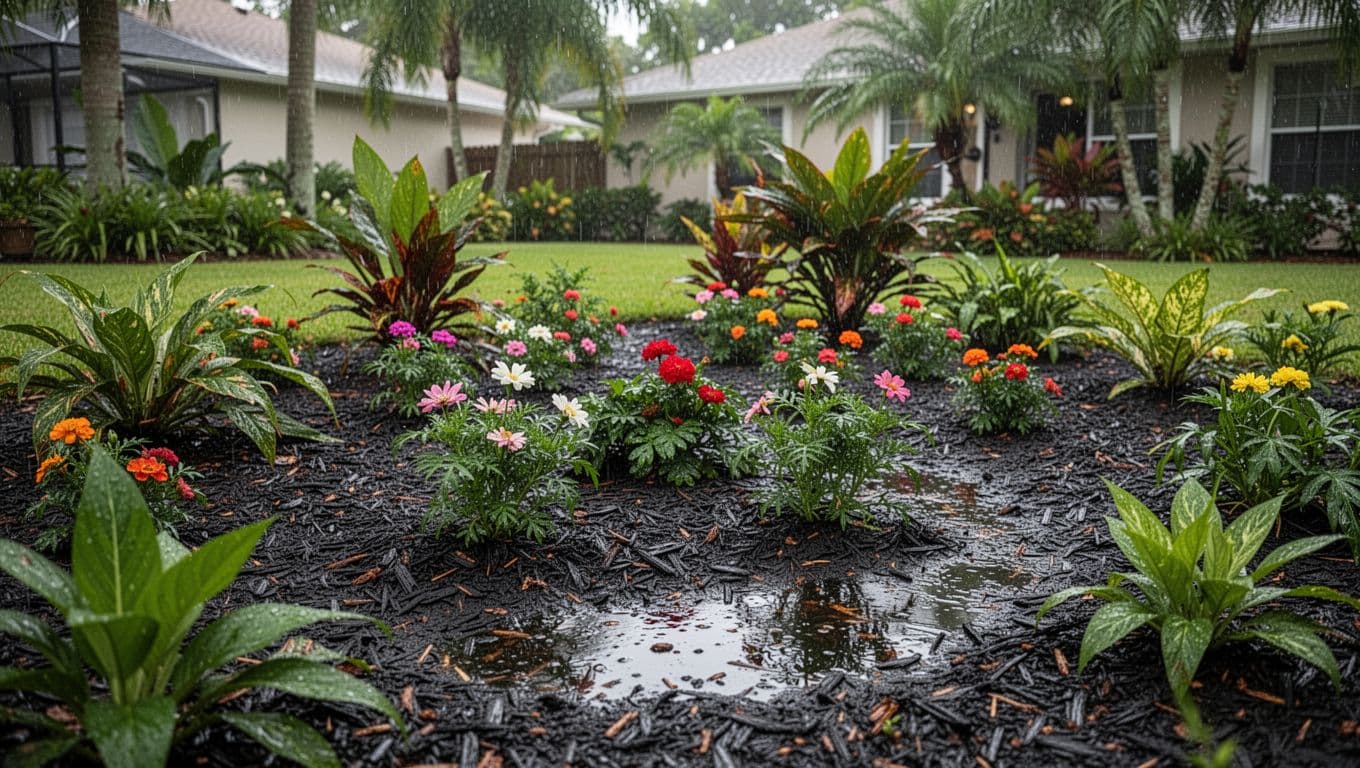
Cape Coral yards often have a few repeat trouble spots. Watch these areas after rain:
- Around sprinkler heads and drip lines.
- Along the edge of mulch beds near sidewalks.
- Under planters, pots, and decorative edging.
- Beside pavers with loose joints or gaps.
- Near downspouts and low spots where water lingers.
Sightings often rise after storms or long watering cycles. That is when the worms move closer to the surface and start crossing open areas. A cracked walkway can act like a shaded hallway, while mulch can feel like a damp blanket.
Wet mulch and hidden cracks are the places to check first.
If you keep finding them in the same zone, look for standing water, overspray, or soil that stays soggy too long. The worm is usually a symptom of the moisture, not the whole problem.
Safe handling and disposal without spreading the problem
A hammerhead worm should never be handled with bare hands. Use gloves, a paper towel, or tongs. Keep children and pets away until it is removed.
Do not chop one up with a shovel or knife. That can make the problem worse.
Never cut a hammerhead worm in half. One worm can become more than one piece of trouble.
The safest approach is to pick it up carefully, place it in a sealable bag or container, and add salt or vinegar. Then seal it and throw it away. Wash your hands, gloves, and tools right after.
If you touched one by accident, rinse the skin with soap and water. Avoid rubbing your eyes until your hands are clean. The worms are not usually a danger to people in the way stinging insects are, but skin contact is still something to avoid.
If you see several worms in the same week, the yard may have a wet pocket that needs attention. Repeated sightings also mean there may be more hiding nearby under mulch or pavers.
For recurring problems, professional Cape Coral pest control can help check the damp areas that keep drawing them back. That is useful when the worms show up after every rain or when the same walkway crack keeps hosting them.
How to make mulch beds and cracks less inviting
The best long-term fix is to reduce the moisture that attracts them. That does not mean stripping your yard bare. It means making sure water drains, dries, and moves where it should.
Start with your watering habits. Cape Coral landscapes often need less water than homeowners think, especially when rain has already soaked the soil. If sprinklers hit the same spot every day, those areas stay damp longer than they should.
A few simple changes go a long way:
- Water only when the soil starts to dry.
- Aim sprinkler heads away from sidewalks and pavers.
- Fix broken heads that spray onto hardscape.
- Keep mulch at a moderate depth, not piled high.
- Break up soggy mulch that stays wet for days.
- Clear leaves and plant debris that trap moisture.
- Seal obvious sidewalk cracks and loose paver joints.
Also check the hidden runoff spots. Downspouts, AC condensate lines, and low spots along the side yard can feed a damp patch for weeks. If that area never fully dries, hammerhead worms will keep using it.
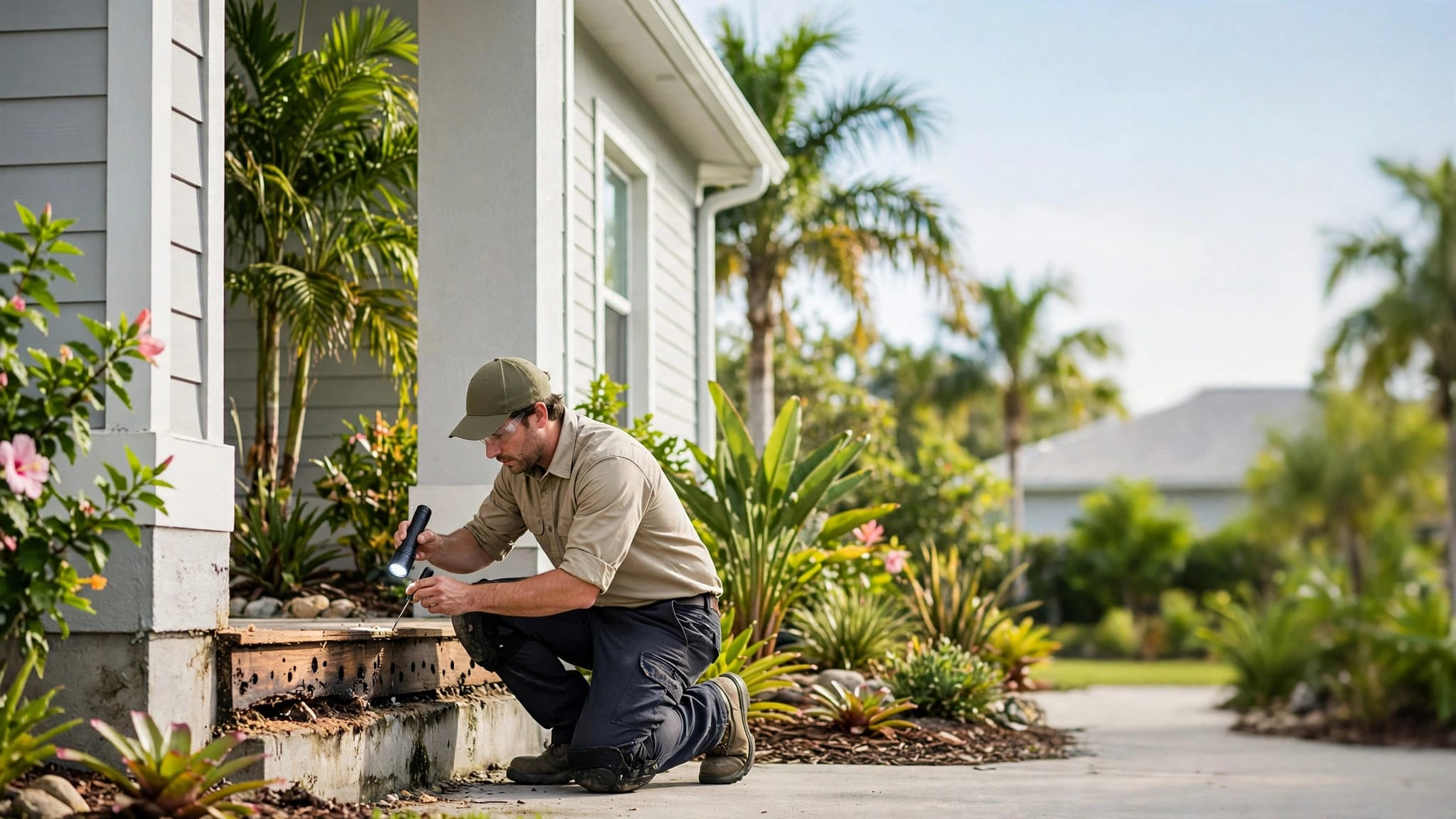
Mulch beds deserve regular inspection after rain. Walk the edge of the bed, lift a few leaves, and check under planters or edging. You do not need a full yard overhaul. You just need to find the wet spots that keep serving as cover.
If you want a simple rule, use this one: dry the surface, dry the edges, and fix the water source. That approach usually helps with more than worms, too.
What Cape Coral homeowners should remember
Hammerhead worms show up where moisture lingers. In Cape Coral, that often means mulch beds, irrigation zones, paver gaps, and sidewalk cracks after rain. The sighting itself is a clue, not a cause for panic.
Handle them with care, dispose of them in a sealed bag, and avoid cutting them apart. Then look at the yard conditions that let them stay hidden in the first place.
A drier mulch bed and a cleaner crack line can make a big difference. When the same wet spot keeps producing worms, the real fix usually starts with the moisture behind it.
Schedule a Free Inspection: