Eye Gnats in Cape Coral Patios and Dog Bowls
Eye gnats can turn a calm evening on the lanai into a constant swat-fest. In Cape Coral, they show up fast when heat, shade, and moisture all sit in the same place.
If you've noticed them circling your patio, pool area, or your dog's water bowl, the fix usually starts with simple cleanup. The key is finding what stays damp long enough to feed them, because these tiny pests follow moisture and organic residue more than they follow people.
Why Cape Coral patios attract eye gnats
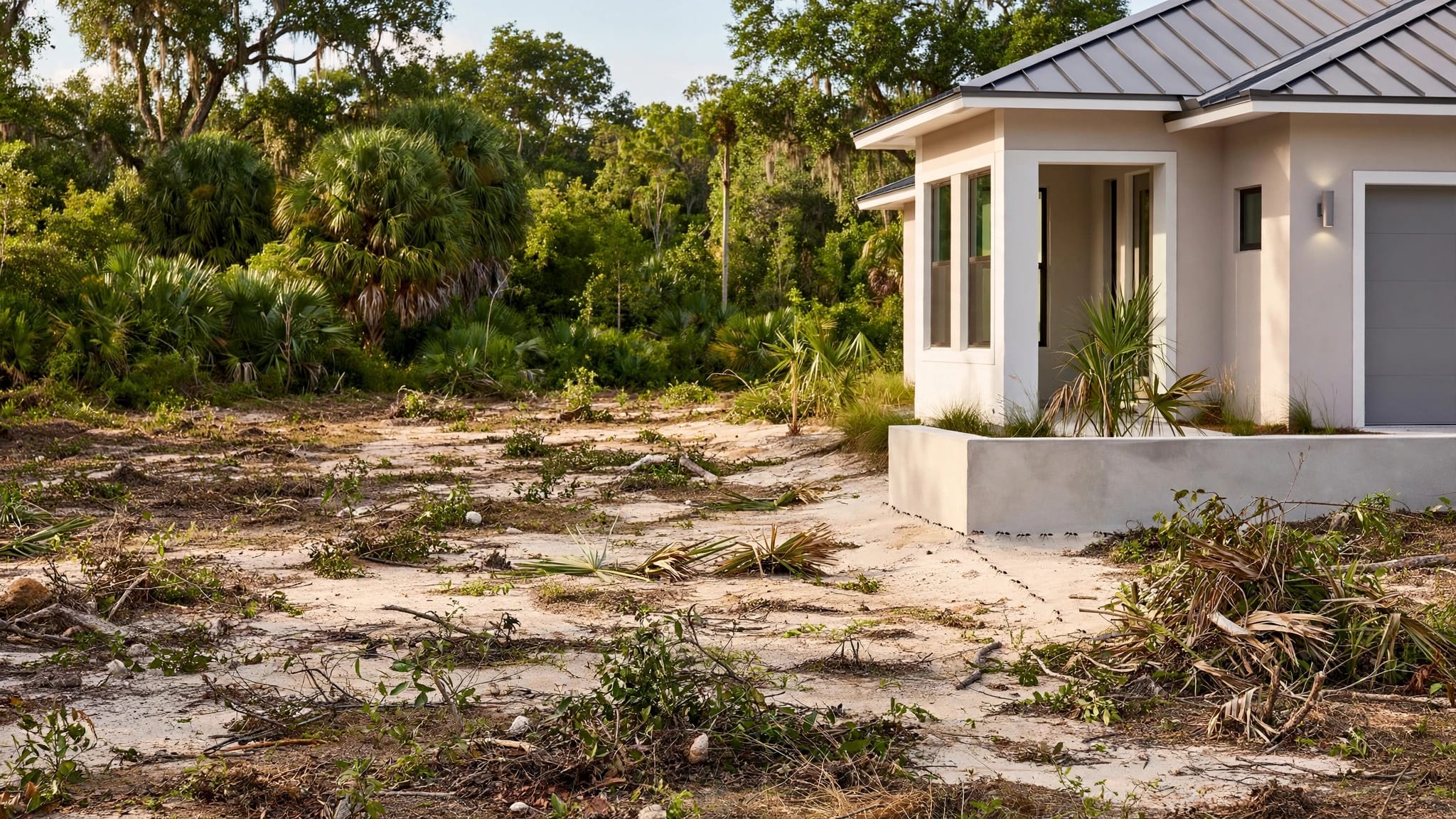
Cape Coral patios give eye gnats almost everything they want. Warm air, shaded corners, wet pavers, and lush plant beds all create small pockets of humidity. That is where they gather.
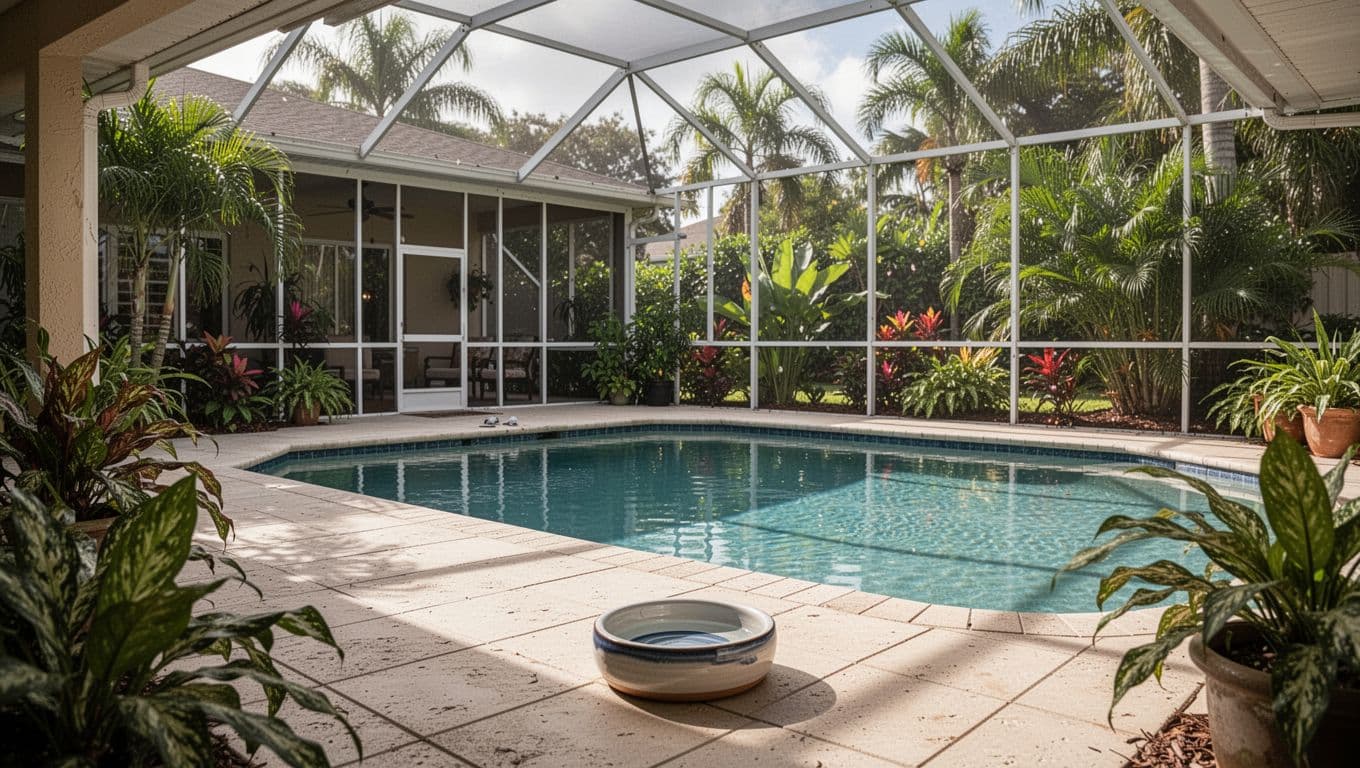
Pool decks and lanais often collect the same hidden trouble spots. A drip from a planter, a puddle near a screen door, or a damp mat by the pool steps can hold enough moisture to keep them coming back. Mulch near the house can also stay wet longer than you expect, especially after afternoon rain or heavy irrigation.
Overwatered plants make the problem worse. When pot saucers stay full, or when soil stays soggy, gnats have a steady place to breed. Drains matter too. A slow drain, a clogged channel, or a corner that never fully dries can turn into a small feeding and breeding zone.
Eye gnats usually follow moisture first, then food residue and organic buildup.
That matters because a spotless-looking patio can still have the right conditions for them. A thin film in a drain, damp leaves under furniture, or wet mulch under a hedge can be enough.
Why dog water bowls become a hotspot
Dog bowls are one of the easiest places for eye gnats to gather. Water sits still. Drool and food bits collect fast. In a hot Cape Coral yard, that mix changes quickly.
Plastic bowls can hold odor and residue in tiny scratches. Stainless steel is easier to clean, but it still needs regular washing. If you leave the same water out all day, a thin slime layer can build along the sides and bottom. That layer, often called biofilm, gives gnats and other pests a place to feed.
Placement matters too. A bowl tucked beside a screened lanai, under a shrub, or on a shaded patio stays cooler, but it also stays damp longer. That is good for the water. It is also good for gnats.
Fresh water helps, and so does a clean bowl. During hot weather, many homeowners do better when they refresh the bowl more than once a day. If your dog drinks outdoors often, rinse the bowl, scrub it with hot soapy water, and dry it before refilling. The inside and the rim both need attention.
A simple routine goes a long way:
- Refresh the water often, especially after long sun exposure.
- Wash the bowl daily, not just when it looks dirty.
- Scrub away slime on the sides and bottom.
- Keep the bowl off soil, mulch, or grass clippings.
- Move it out of heavy shade if the spot stays damp.
That routine is pet-safe and easy to keep up. It also cuts down on the smell and residue that eye gnats seem to find so fast.
The moisture spots most people miss
Some of the worst eye gnat problems start in places homeowners walk past every day. A patio may look dry, but the edges usually tell a different story.
Check these spots first:
- Plant saucers under pots, which can hold water after every watering.
- Mulch beds near the foundation, especially where sprinklers hit them often.
- Drain grates and downspouts that collect leaves, dirt, or standing water.
- Outdoor furniture feet that trap wet leaves or algae on the floor below.
- Pet feeding areas where water spills and food crumbs stick to the surface.
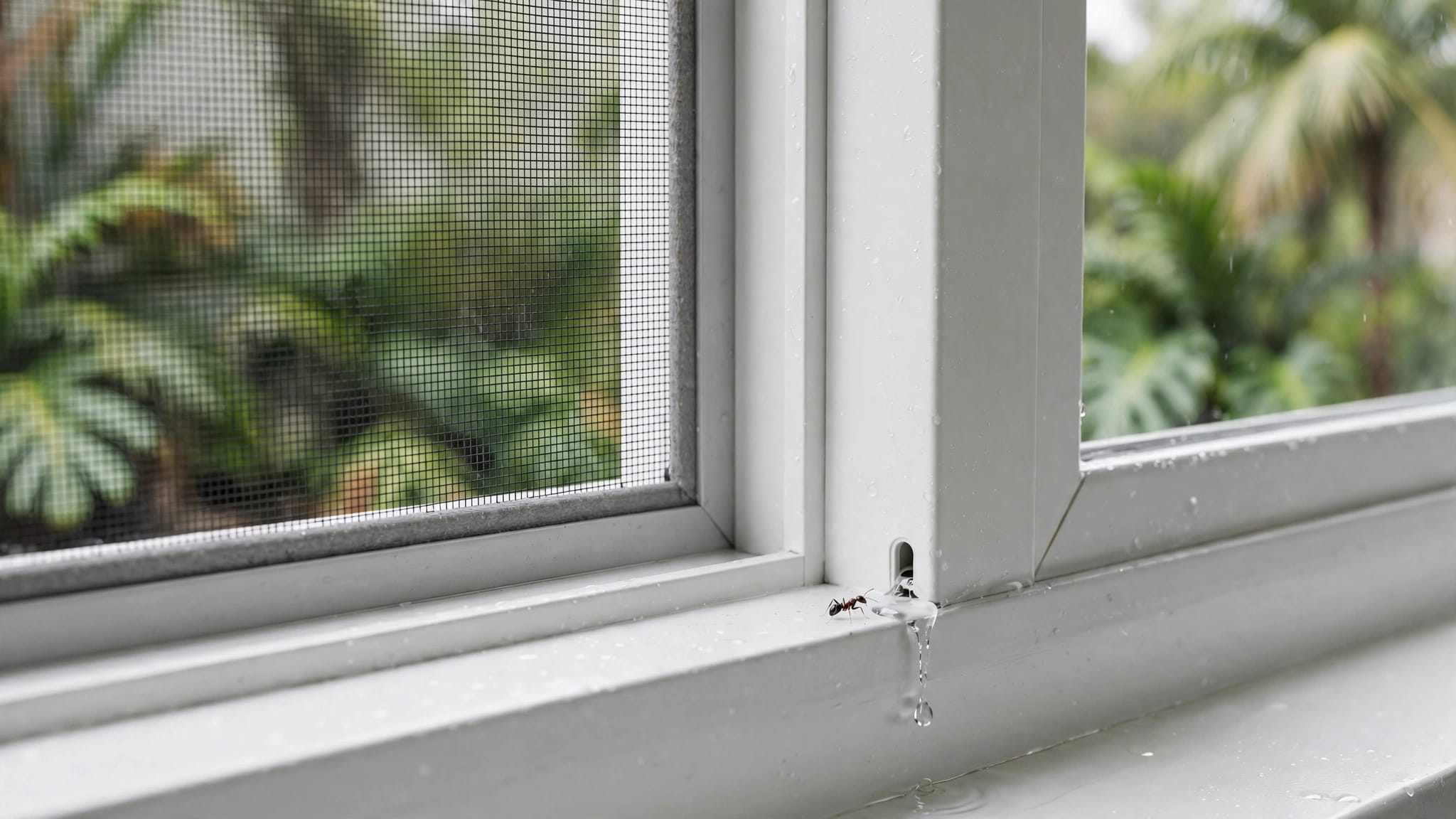
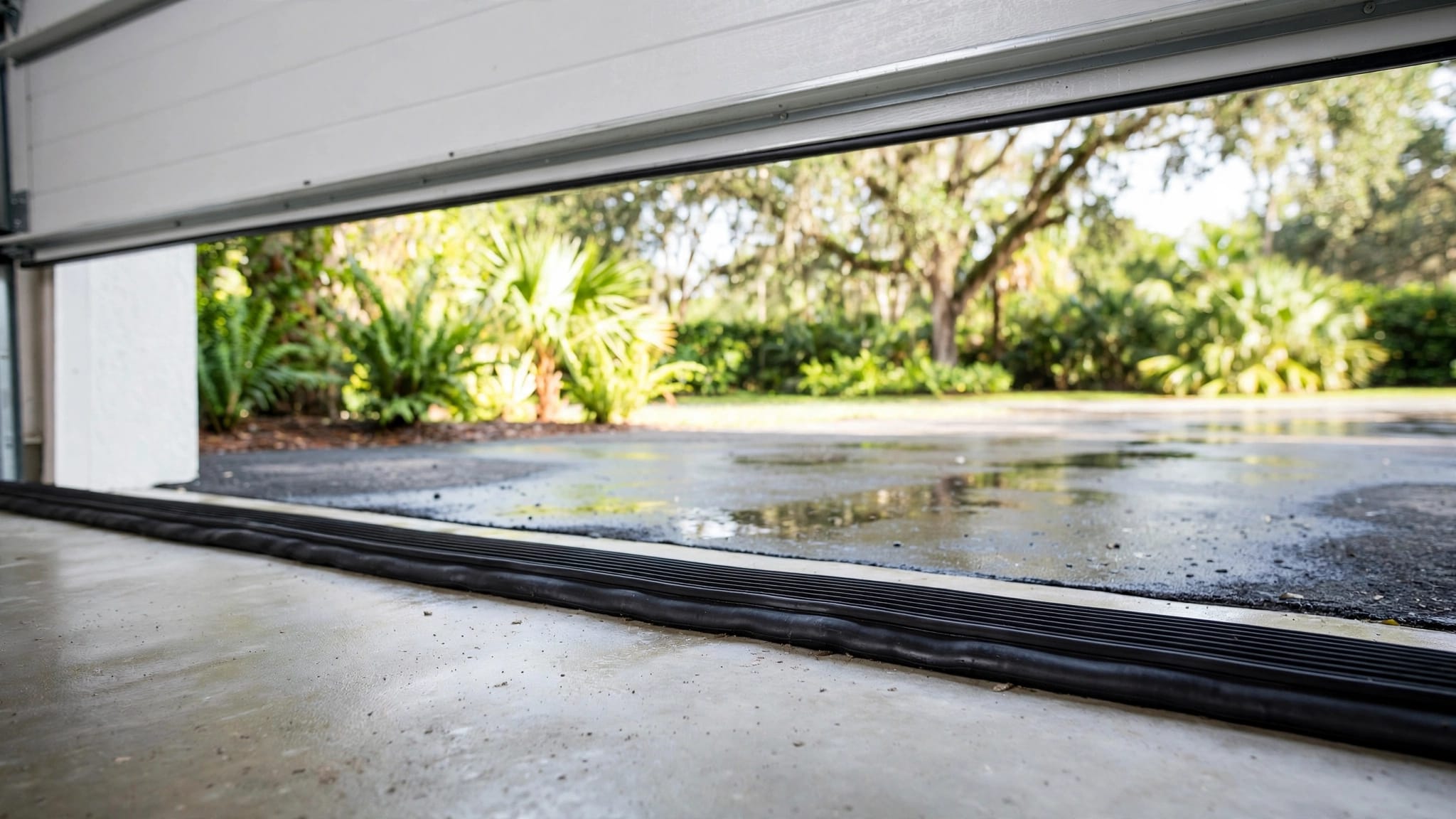
- Screen tracks and door thresholds that collect grit, grime, and damp debris.
Small changes help here. Pull pots away from the wall, trim back plants that trap shade, and clear leaf piles before they break down. If your irrigation hits the patio or oversprays onto mulch, adjust it so the ground can dry between cycles. Cape Coral humidity already does enough work on its own.
A fan can help on covered patios and lanais, too. Eye gnats are weak fliers, so moving air makes the space less inviting. Even a small breeze under a seating area can make a difference during the worst part of the day.
What to clean first when gnats keep returning
When eye gnats keep circling, start with the wettest spots and the messiest surfaces. A deep scrub beats a quick rinse.
- Empty and wash pet bowls with hot soapy water.
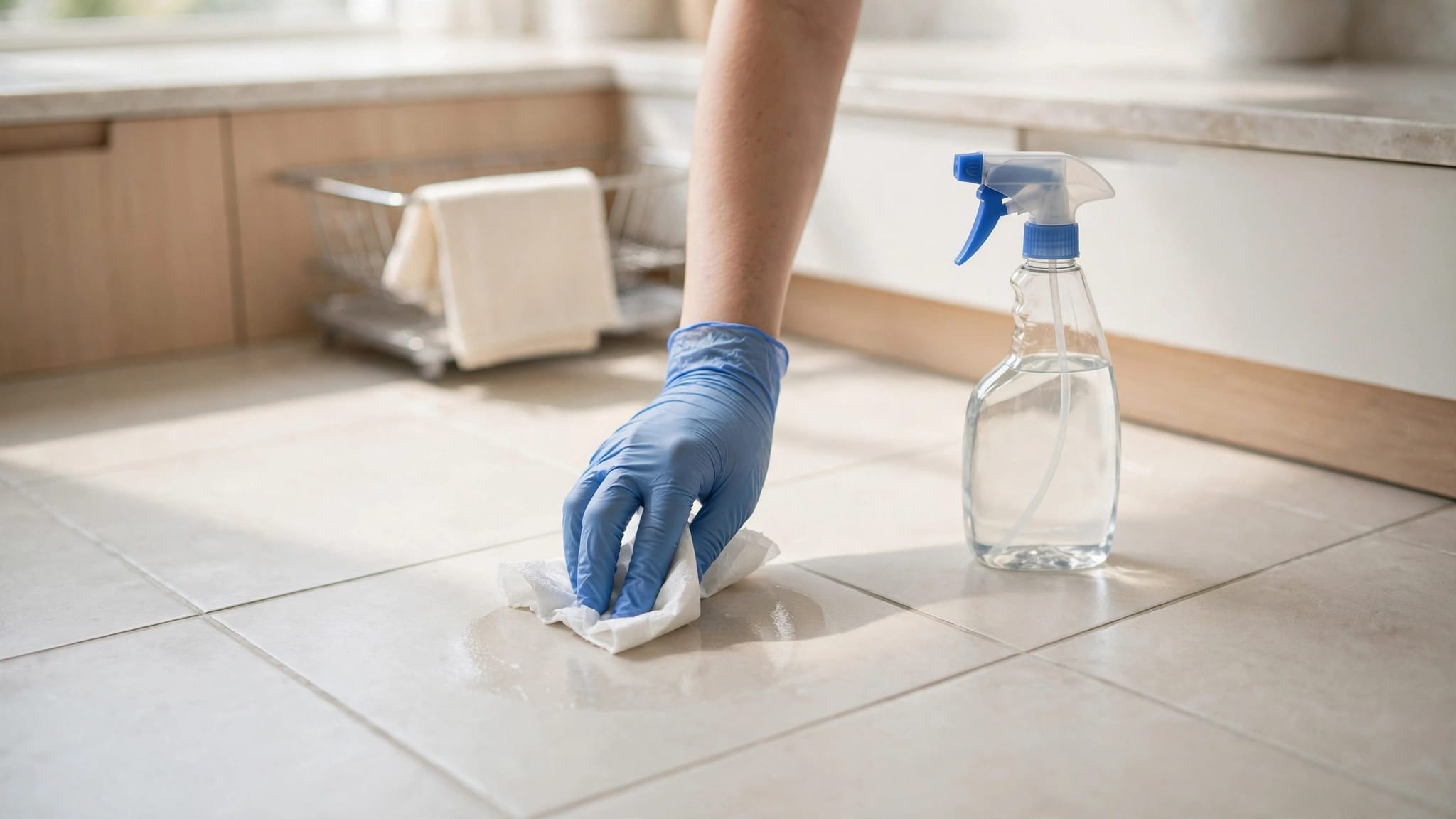
- Wipe down the patio floor, especially around corners and edges.
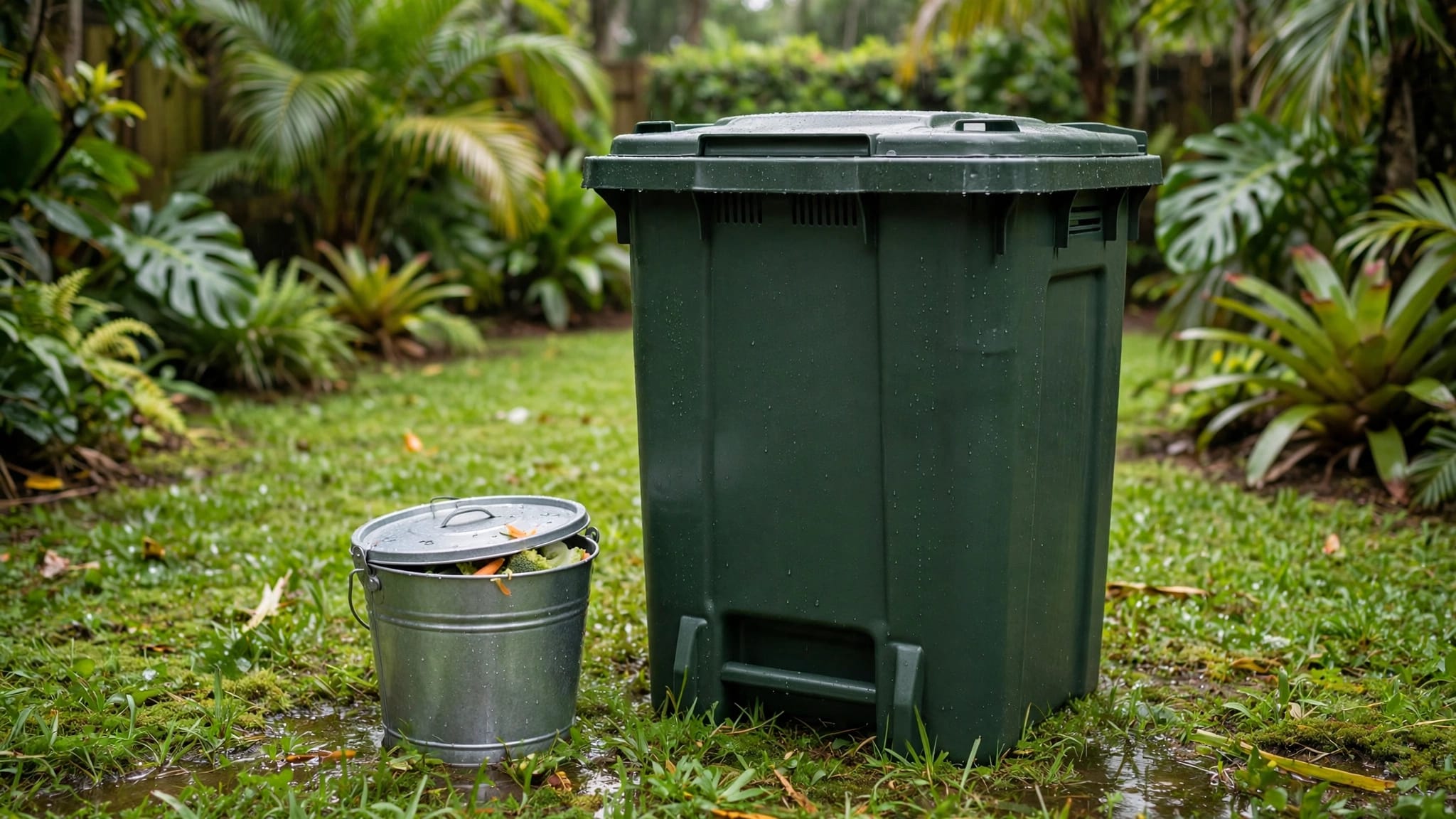
- Clear out leaf piles, dead blooms, and grass clippings.
- Check drains, gutters, and downspouts for blockages.
- Remove standing water from saucers, buckets, and tarps.
- Rinse screen tracks, threshold edges, and storage areas.
- Move outdoor seating away from damp mulch or planting beds.
These steps work because they remove both moisture and organic residue. That is what breaks the cycle. If you only spray the gnats you see, the source stays in place.
For homes that keep having trouble, residential pest control in Cape Coral can help find the hidden source around the home, patio, and yard.
When the problem points to more than gnats
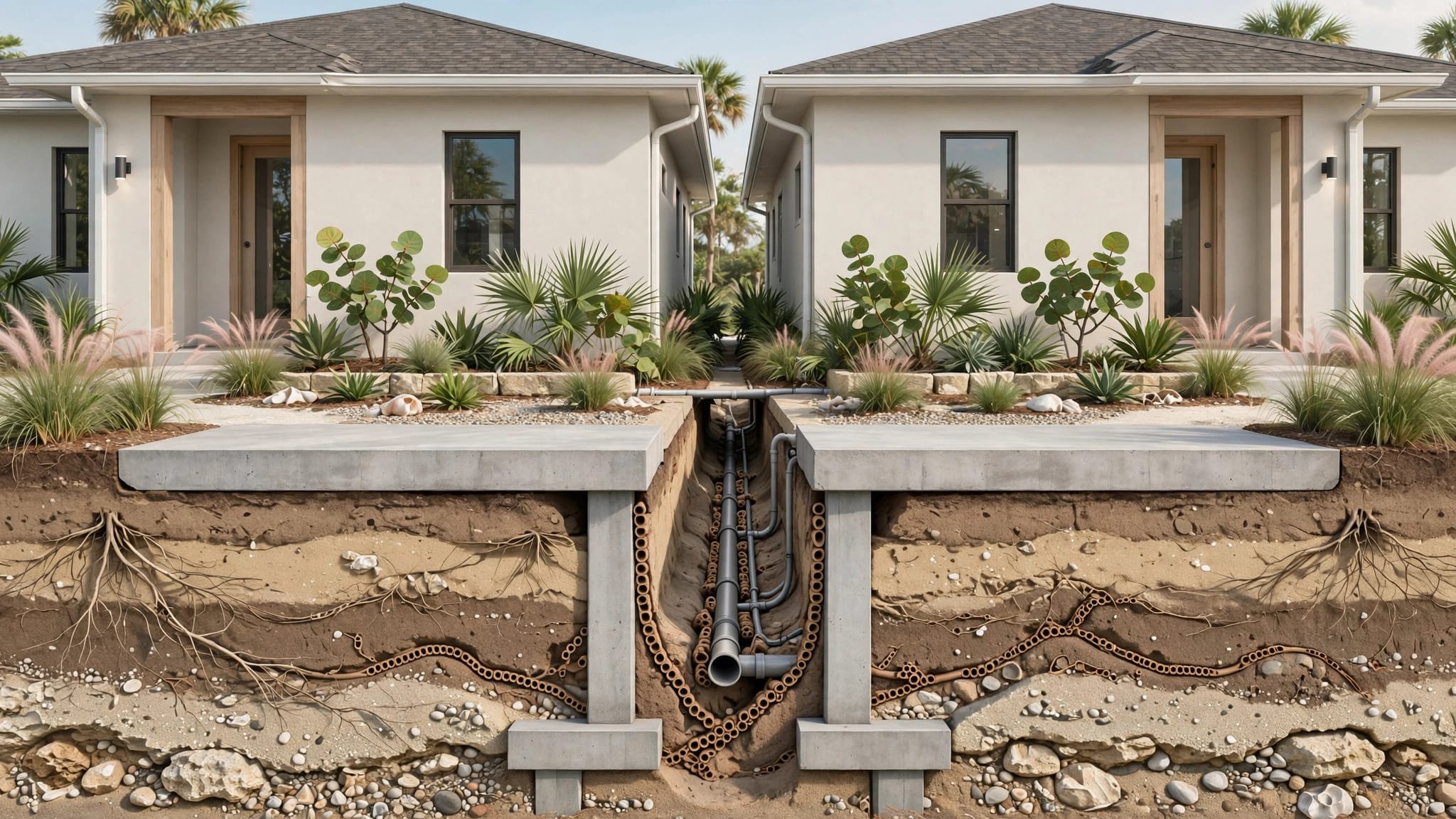
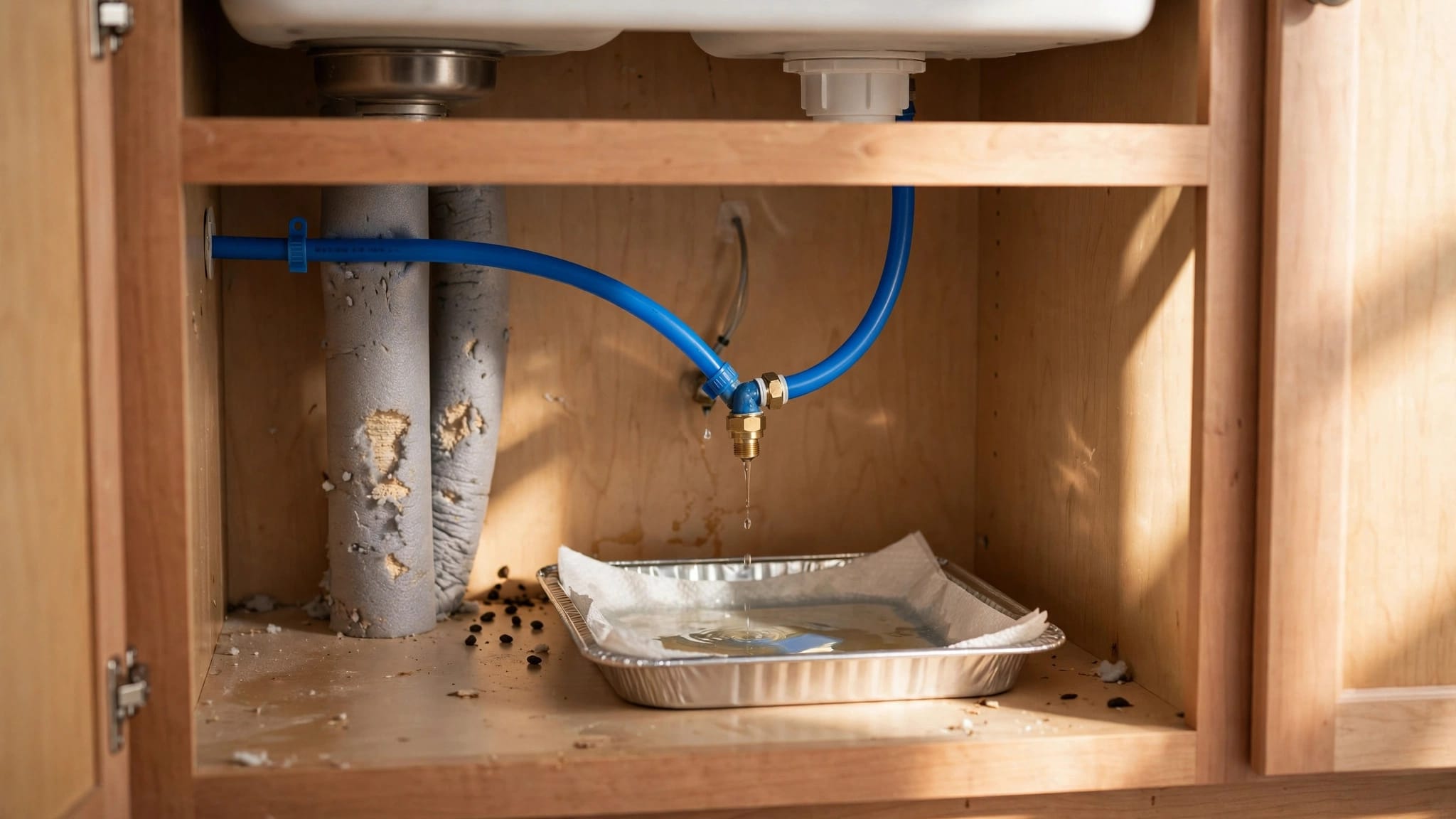
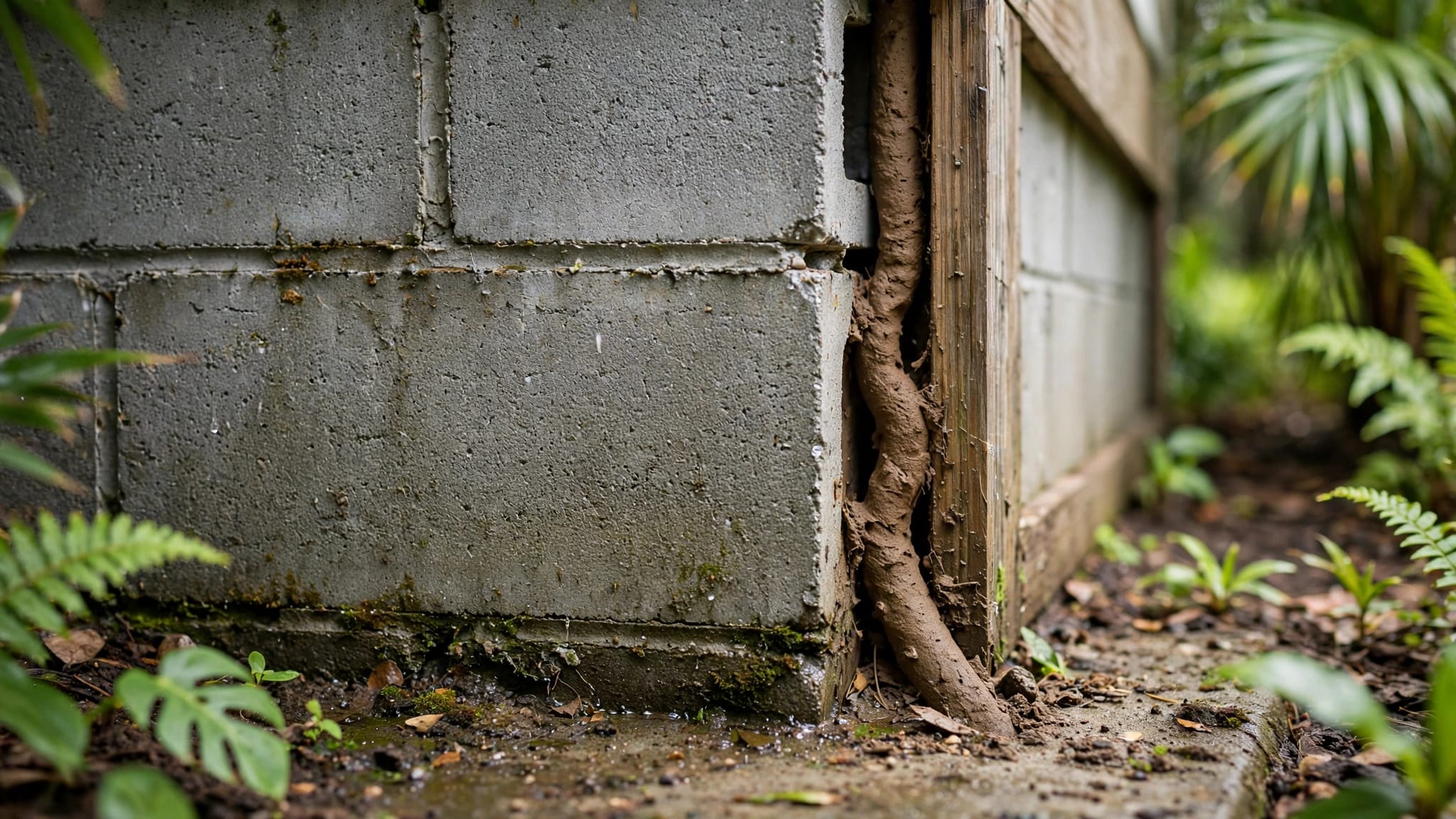
Sometimes eye gnats are just the first warning sign. If you also notice rotting odors, wet soil that never dries, or drains that back up after rain, there may be a bigger moisture issue nearby. That can include hidden leaks, poor drainage, or buildup around the home's edge.
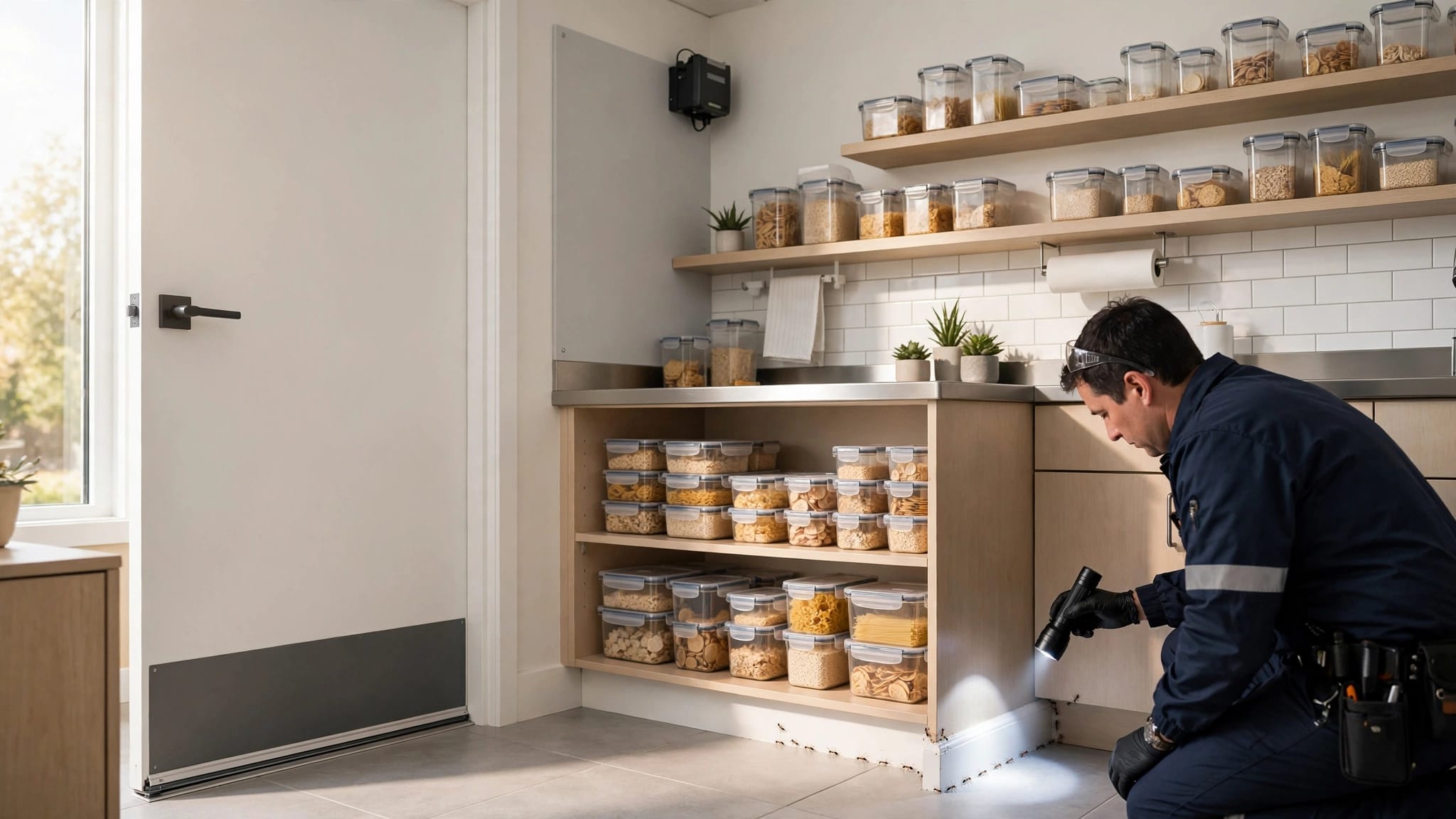
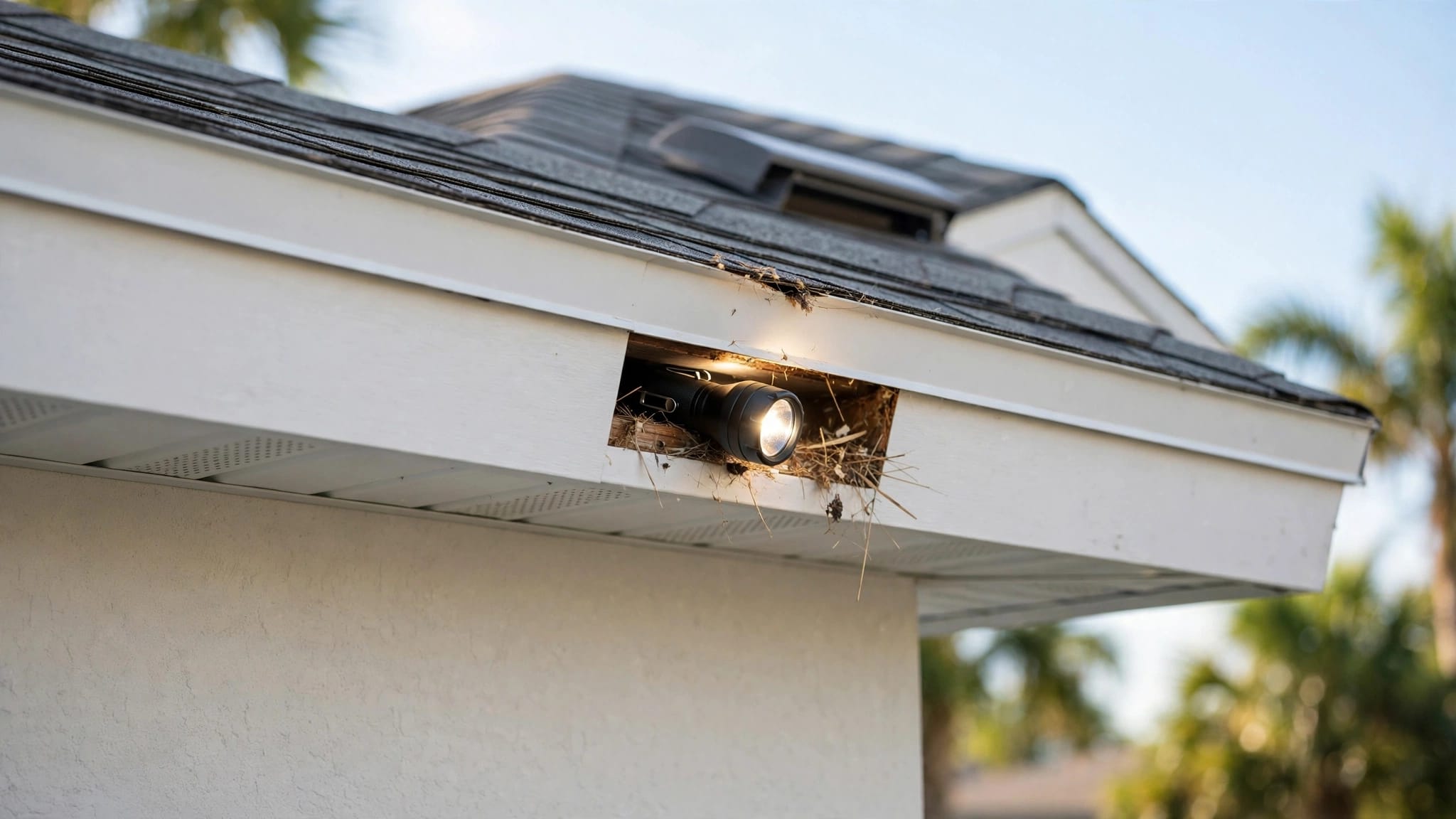
Other pests may show up around the same time. Ants like spilled water and food residue. Flies gather near organic buildup. Rodents often follow the same sheltered, damp areas when outdoor clutter gives them cover. A patio that stays cluttered, wet, and shaded can invite more than one pest problem.
That is where a broader inspection helps. Professional pest control and rodent removal can be the right next step when the gnats keep coming back or when you suspect the issue runs deeper than a single bowl or plant bed.
A local technician can look at the whole area, not just the visible swarm. That matters when the source sits under mulch, behind screens, or along a drain line you rarely check.
Keeping patios and pet areas more comfortable
The best long-term fix is steady upkeep. In Cape Coral, small amounts of moisture can turn into a gnat magnet fast, especially around lanais and pool decks. Dry surfaces, clean bowls, and better airflow all work together.
Keep an eye on the spots that stay shaded, damp, or dirty after watering. Refresh pet water often, scrub away bowl slime, and stay ahead of mulch, drains, and plant runoff. Those simple habits make the patio more comfortable for people and pets.
When the problem still hangs around after cleanup, the source is usually hiding somewhere nearby. Catch that moisture early, and eye gnats lose most of their advantage.
Schedule a Free Inspection: