Click Beetles in Cape Coral Garages and Entry Lights
A few beetles near the garage door can turn into a nightly nuisance fast. In Cape Coral, click beetles often show up where lights spill across concrete, trim, and open entry points.
The good news is that these beetles usually point to a fixable problem. Light, gaps, and timing often matter more than the insects themselves. If you know what to look for, you can cut down the traffic without turning your porch into a lab experiment.
How to spot click beetles around Cape Coral homes
Click beetles are easy to miss at first. They have narrow, hard bodies and look a little longer than many common household beetles. Most are brown or dark tan, and some have faint markings that blend into the surface they land on.
What makes them stand out is their odd defense move. When they feel trapped, they can snap their bodies and flip into the air. That quick jump is where the name comes from.

Around garages and entry lights, homeowners usually notice them in the same places again and again. They gather on stucco, door frames, soffits, and the slab near the threshold. Sometimes they end up on the floor just inside the garage, especially after a door has stayed open.
A quick visual check helps a lot:
- Body shape : long, narrow, and hard-shelled
- Movement : slow crawling, then a sudden click and flip
- Color : often brown, tan, or dark gray
- Location : porch lights, garage lights, door trim, and walls near the entry
If you see beetles that seem to "spring" away when touched, you're probably looking at click beetles and not something more serious.
Why garage and porch lights pull them in
Lighting is one of the biggest reasons these beetles gather near homes. Night insects respond to bright fixtures, and click beetles often end up near the same glow that brings other insects to the area. Once a light creates a busy spot, the wall around it becomes a landing zone.
Warm weather in Southwest Florida keeps insect activity going for a long stretch of the year. That means entry lights, coach lights, and garage fixtures can stay active magnets well into the evening. If the door opens often, the beetles have an easy path from the wall to the interior.
Color matters too. Bright white lights tend to stand out more than softer, warmer bulbs. They can make a porch or garage look clean and sharp, but they also give insects a stronger target. A fixture above a doorway is a bigger draw than a light farther from the home because it concentrates activity right where people move in and out.
Repeated beetles at the same doorway usually point to both the fixture and a small gap nearby.
That pattern matters. If the same corner, light, or garage edge keeps collecting insects, the light is only part of the story. Small openings let them settle in after they land.
Lighting and sealing changes that cut them down
Simple changes usually make a real difference. Start with the lights, then work outward toward the gaps around the home.
Use this checklist as a practical starting point:
- Swap harsh white bulbs for warmer ones . Softer light is less likely to draw attention at the door.
- Turn off unneeded lights . If a porch light stays on all night, it keeps pulling insects toward the entry.
- Use motion lighting when possible . Motion-activated fixtures limit the time the area stays lit.
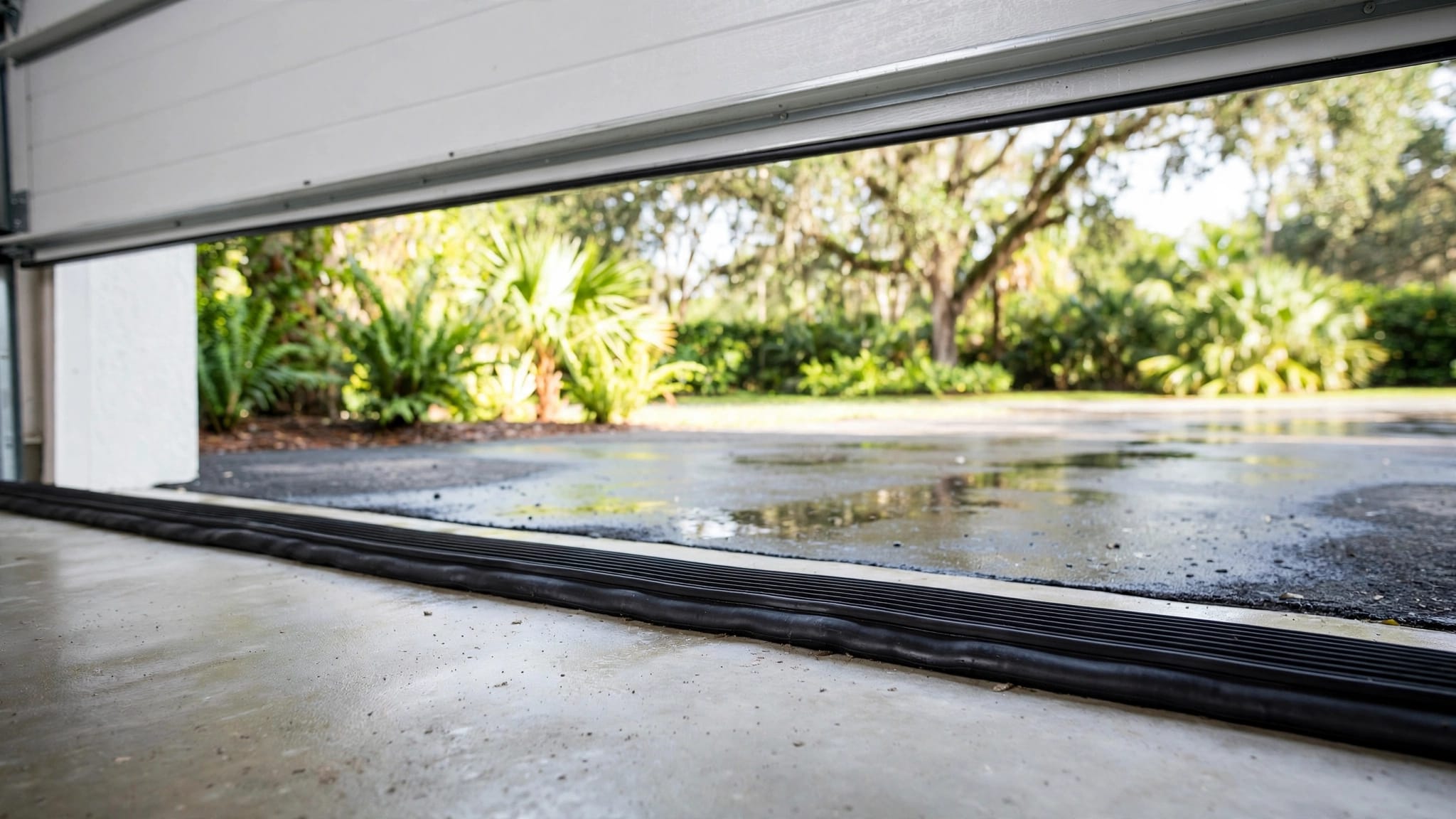
- Seal door gaps . Fresh weatherstripping and a tight door sweep can block the easy route inside.
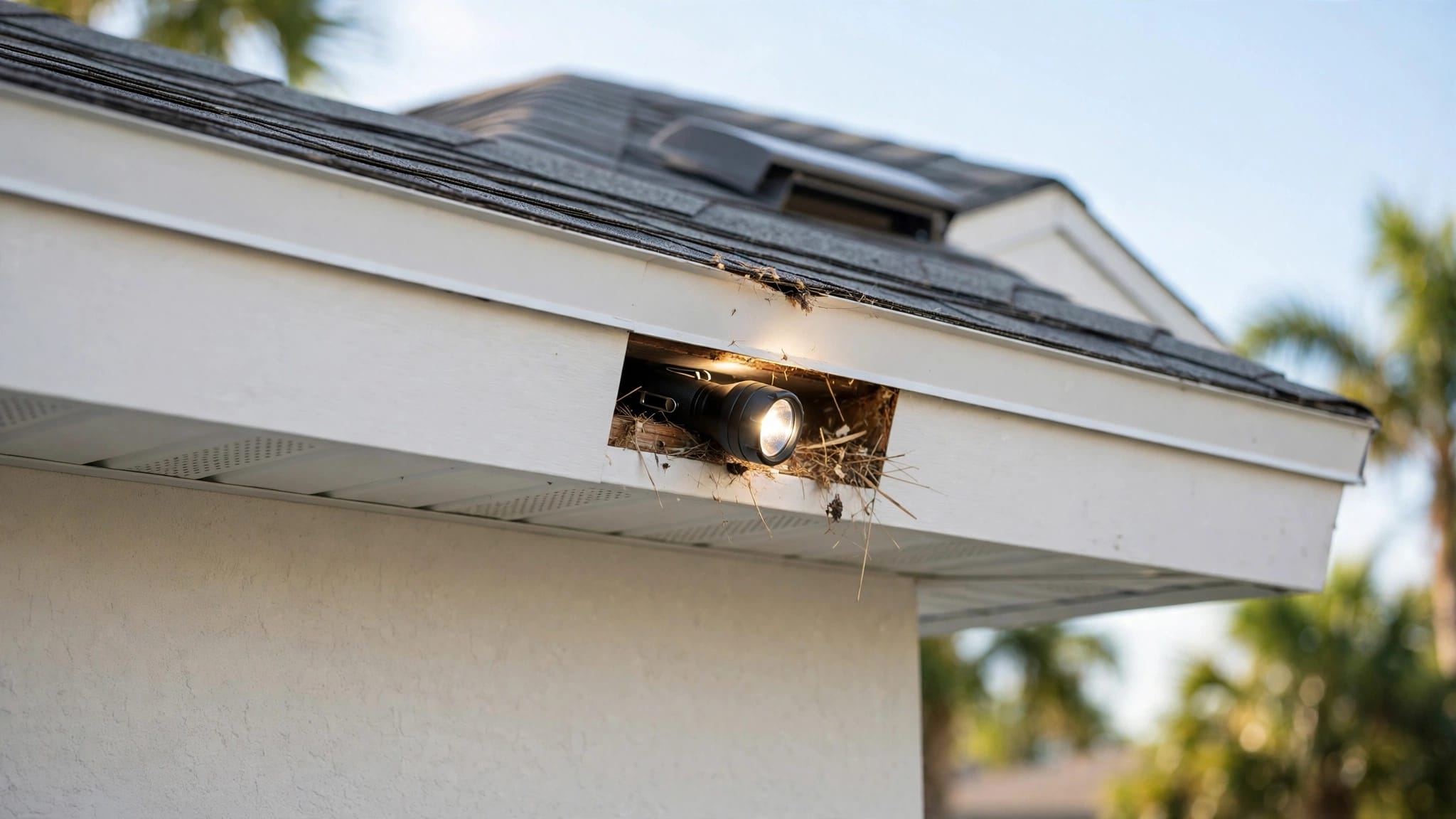
- Check garage trim and utility openings . Small gaps around conduit, pipes, and framing are common entry points.
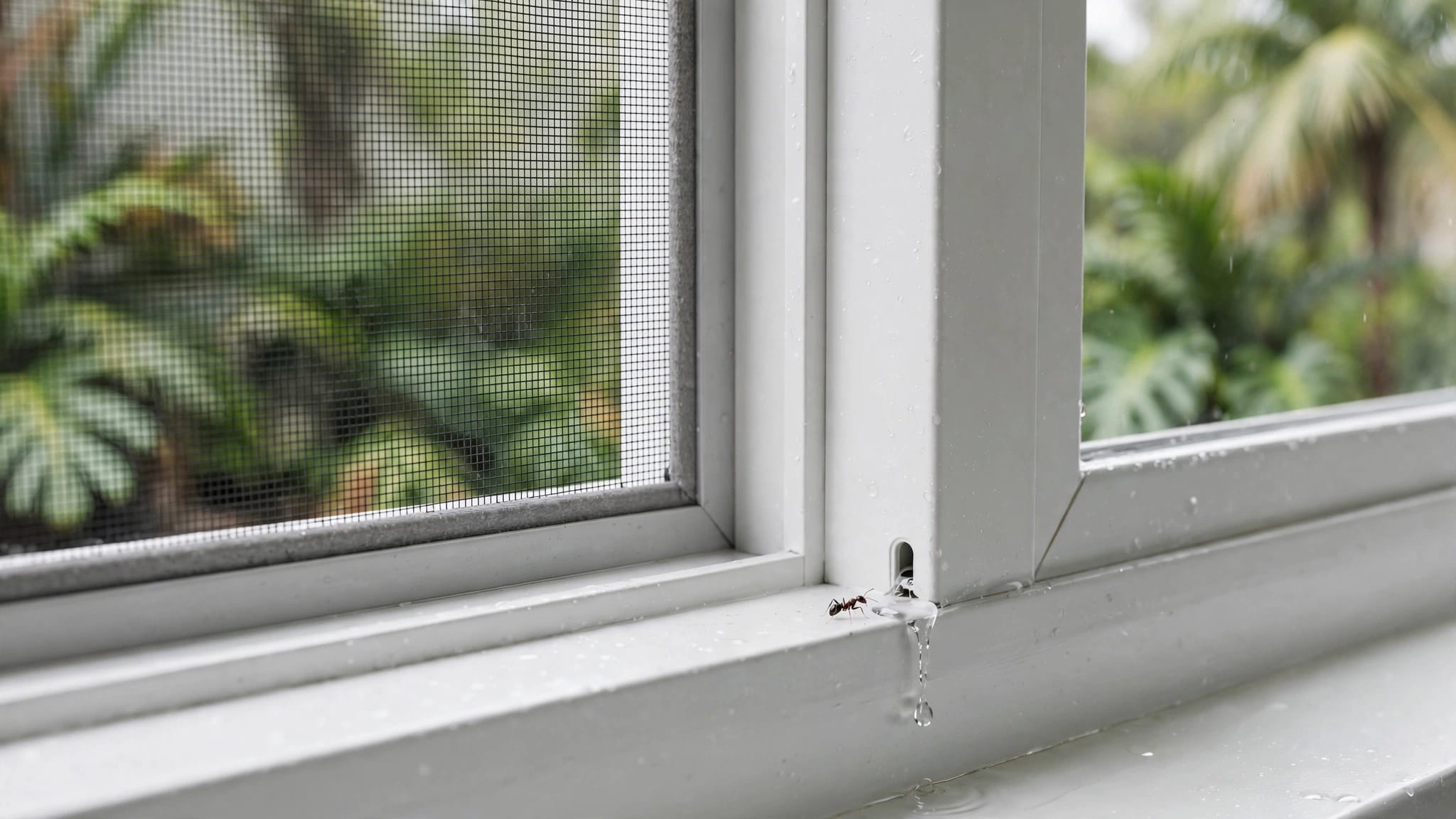
- Keep screens and vents in good shape . Torn screens and open vents give beetles another way in.
These changes work best together. A new bulb helps, but it won't do much if the garage door has a visible gap at the bottom. Likewise, perfect sealing won't matter much if the light keeps pulling insects to the same spot every night.
If the problem keeps repeating, residential pest control in Cape Coral can help identify the places where beetles are getting in and why they keep returning.
Click beetles vs termites, roaches, and other garage pests
A lot of homeowners notice a beetle and immediately worry about termites. That's understandable, but click beetles are different. They don't show the same signs of wood damage, and they usually show up around lights instead of hidden wood spaces.
Here's a simple comparison that helps with quick ID:
| Pest | What you might notice | Main concern |
|---|---|---|
| Click beetles | Long, hard beetles near lights, sometimes with a clicking flip | Annoying entryway activity, usually tied to lighting and access points |
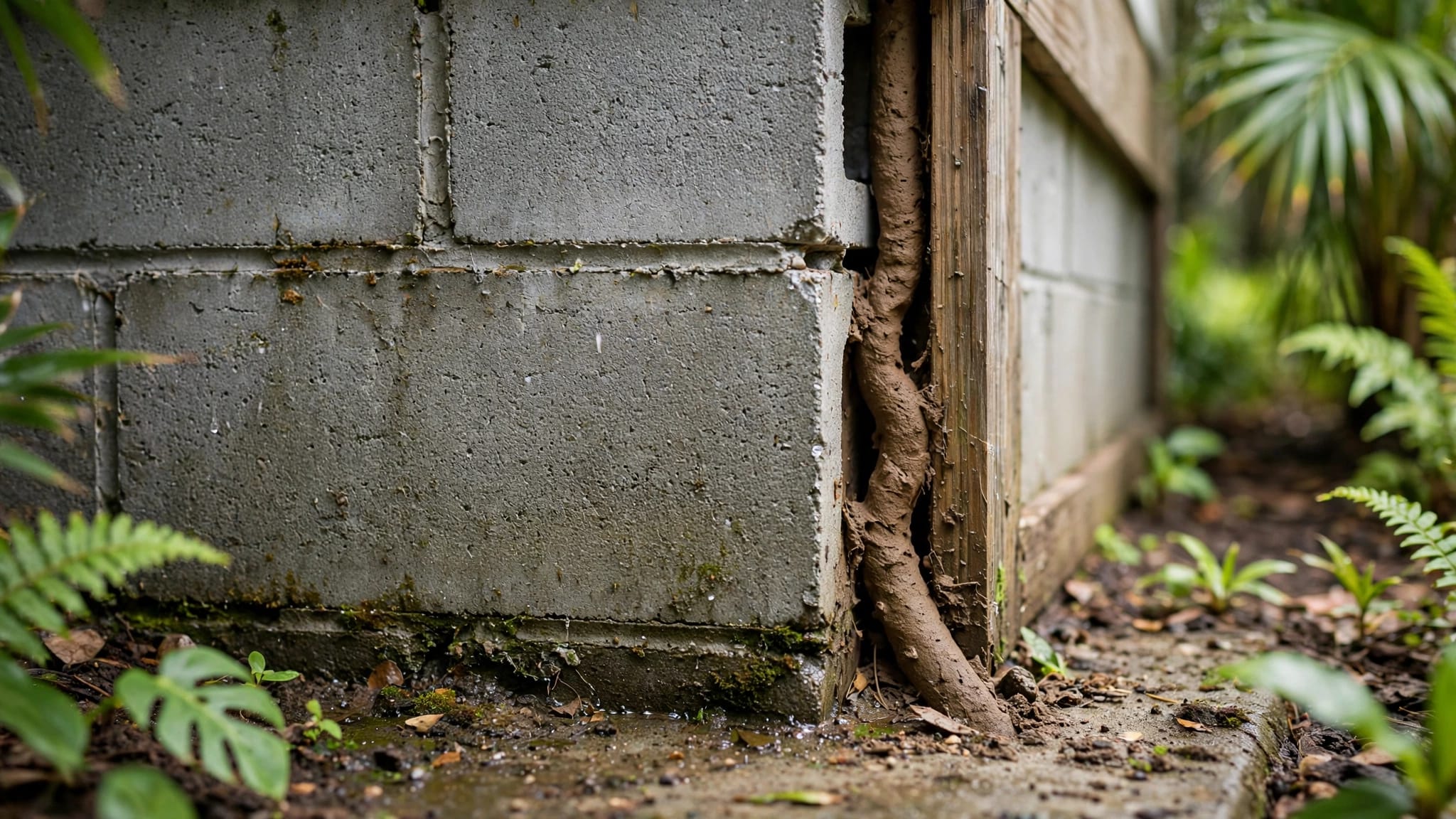
| Termites | Shed wings, mud tubes, hidden wood damage | Structural damage and active infestation risk |
| Cockroaches | Flat bodies, fast movement, activity in dark, damp spots | Sanitation concerns and rapid indoor spread |
| Carpet beetles | Small rounder beetles, sometimes near windows or fabrics | Damage to stored fibers, fabrics, and natural materials |
The biggest difference is behavior. Click beetles are often seen out in the open at lights. Roaches hide. Termites stay tied to wood and often leave signs before people see the insects. That makes click beetles easier to spot, but also easier to misread if you only catch a quick glimpse.
If beetles show up by the garage light and never seem to cluster in food areas, you may be dealing with a lighting issue more than a pantry or sanitation problem. That's a useful distinction, because it changes what you fix first.
When recurring beetles point to a bigger opening issue
A single beetle near the porch light is one thing. Repeated activity in the same doorway tells a different story. In many Cape Coral homes, the beetles are using the light as a beacon and the garage or entryway as a landing pad. If the door seal is worn or the threshold has a gap, they can slip inside with almost no effort.
Take a close look at these spots:
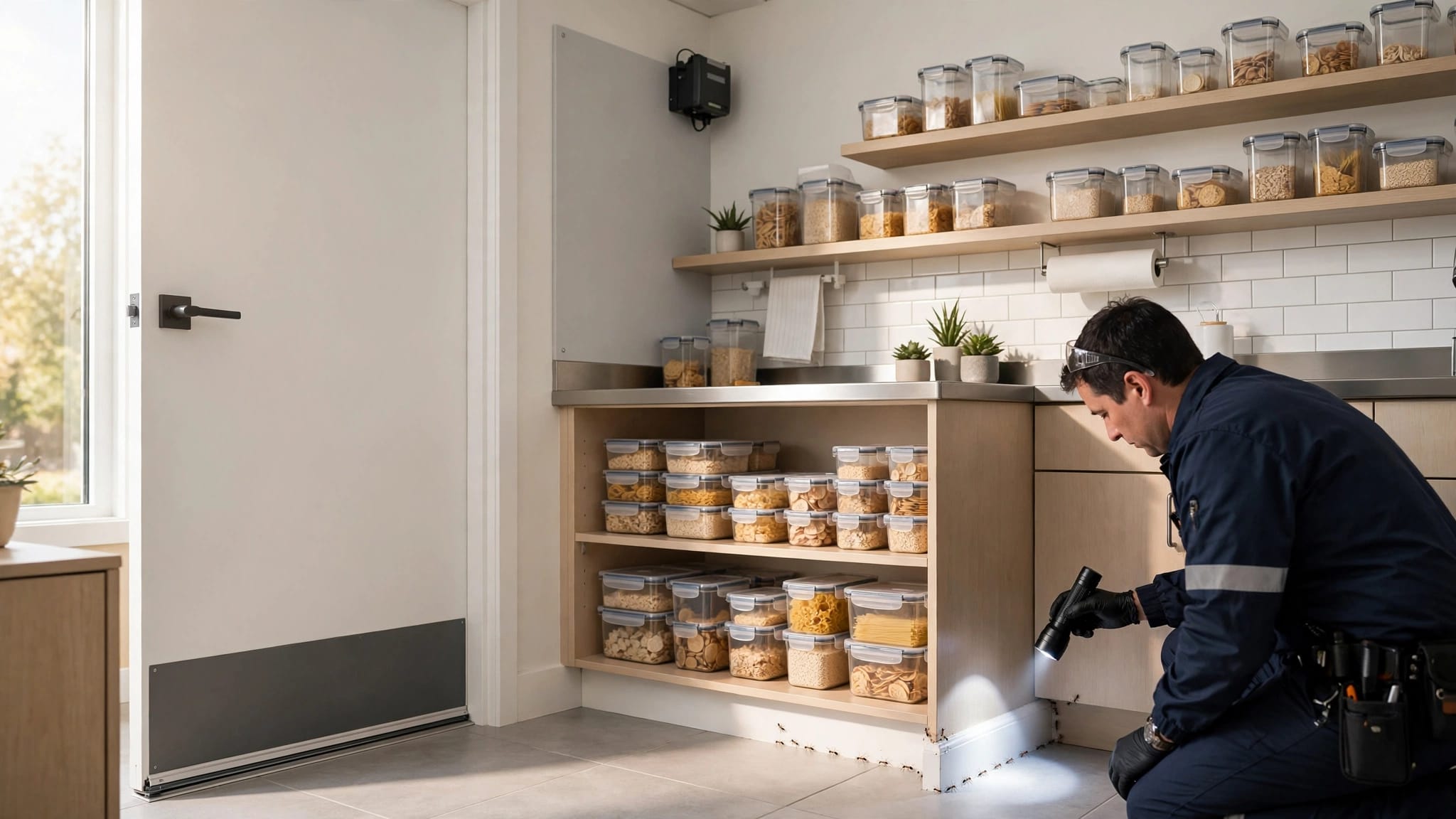
- the bottom seal on the garage door
- the sides of exterior doors
- gaps around trim and caulk lines
- openings around utility lines and cables
- damaged screen frames or vent covers
Those small openings may not seem like much, but insects do not need much. A narrow crack can be enough, especially when the light outside keeps pulling them toward the same area night after night.
When beetles are joined by ants, roaches, or other small pests, the issue is no longer just the light. That's when a broader inspection makes sense. General pest control services can help sort out whether you need simple exclusion work, exterior treatment, or a larger plan for the whole home perimeter.
The goal is not to treat every beetle like an emergency. The goal is to stop the pattern before it spreads from the garage wall to the inside of the house.
Conclusion
Click beetles near Cape Coral garages and entry lights are usually a sign of strong nighttime light, easy access, or both. Once you know how they look and where they gather, the problem becomes easier to manage.
Warmer bulbs, tighter seals, and cleaner entry points can reduce a lot of the activity. If the same light or doorway keeps pulling beetles back, the home is giving them exactly what they want.
A closer look at the light and the openings around it often tells the whole story.
Schedule a Free Inspection: