Dobsonflies in Cape Coral: Why Porch Lights Attract Them
Cape Coral homeowners often notice a large, odd-looking insect on a porch light or garage door and wonder if something bigger is wrong. Dobsonflies can look alarming, especially when they show up after dark and cling to walls near the entry.
Most of the time, they are a nuisance, not a sign of structural damage. They are drawn to light, moisture, and warm evenings, so they often show up around porches, entryways, and garages near canals, ponds, and other wet areas.
If you keep seeing them, a few simple changes can help a lot. Understanding what brings them in is the first step.
Why dobsonflies gather around porch lights and garage doors
Dobsonflies are strongly attracted to bright exterior lights. Porch fixtures, coach lights, and garage door lights can act like a beacon, especially on humid nights when the air feels still and heavy.
That attraction gets stronger near water. Cape Coral has plenty of canals, retention ponds, and damp landscaping, which give these insects the kind of habitat they need earlier in life. Adults may fly into neighborhoods, but they do not move in and take over a home.
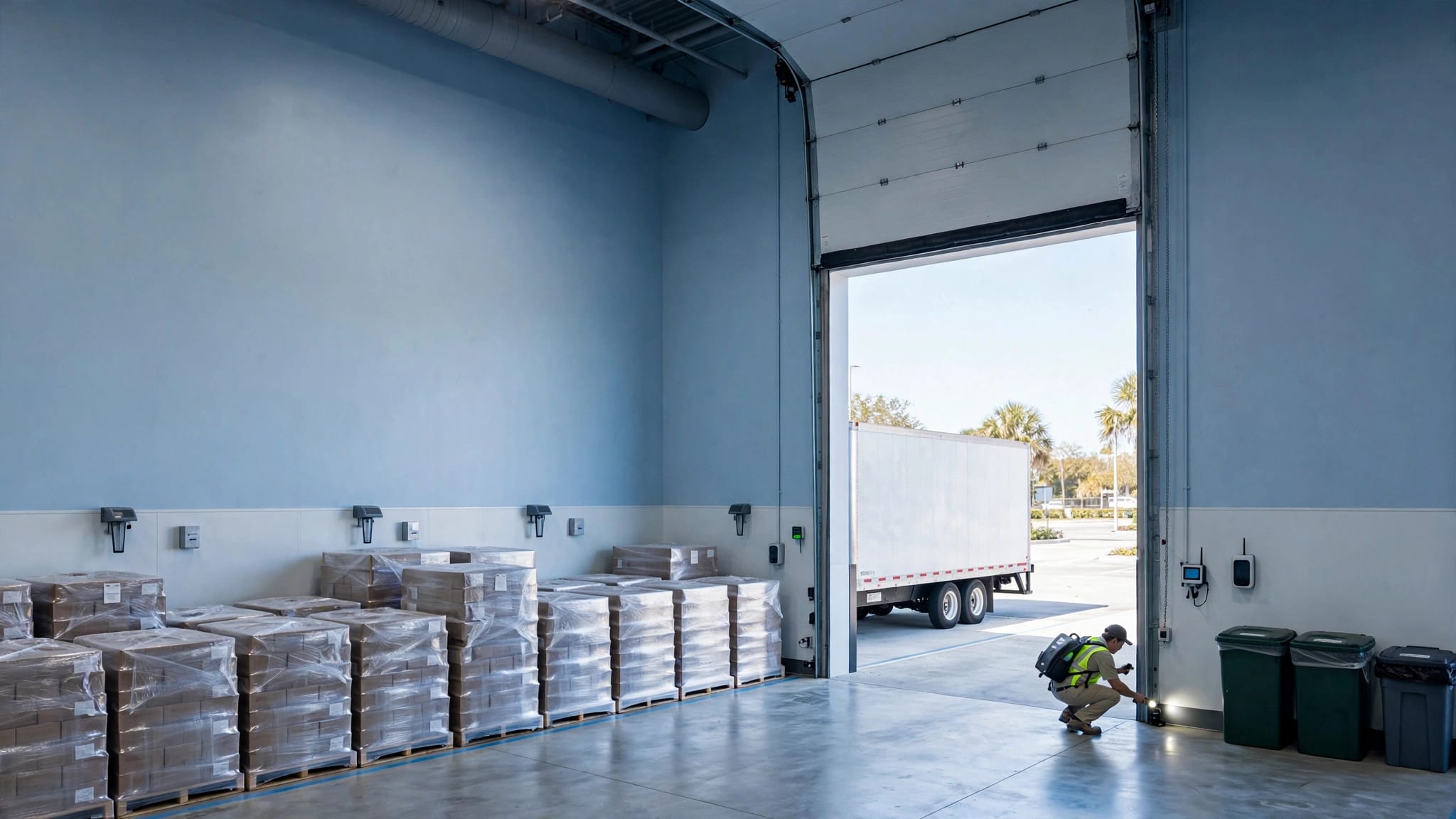
Garage doors also give them a place to rest. Light spills from the fixture above the door, the surface is easy to land on, and small gaps around the frame can make the area even more appealing.
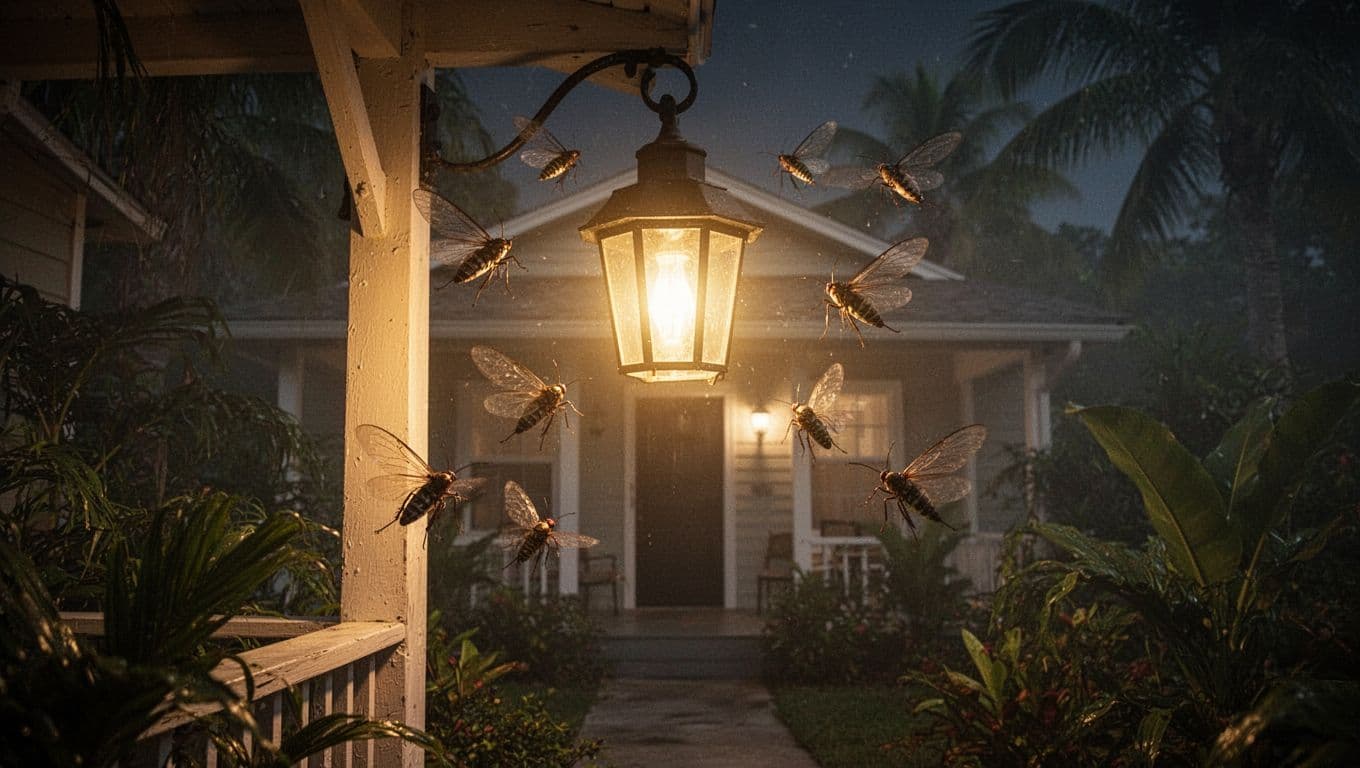
Humidity matters too. During warm, wet periods, you may see more insect activity around doors, screens, and soffits. After a rainy evening, dobsonflies can show up where the light is brightest and the air is calmest.
A dobsonfly on your garage door looks worse than it is. For most homes, it points to light and moisture, not hidden damage.
What dobsonflies mean for Cape Coral homes
The large jaws and awkward wings make dobsonflies easy to notice. That is part of why they unsettle people. The good news is that they do not feed on wood, drywall, or stored food.
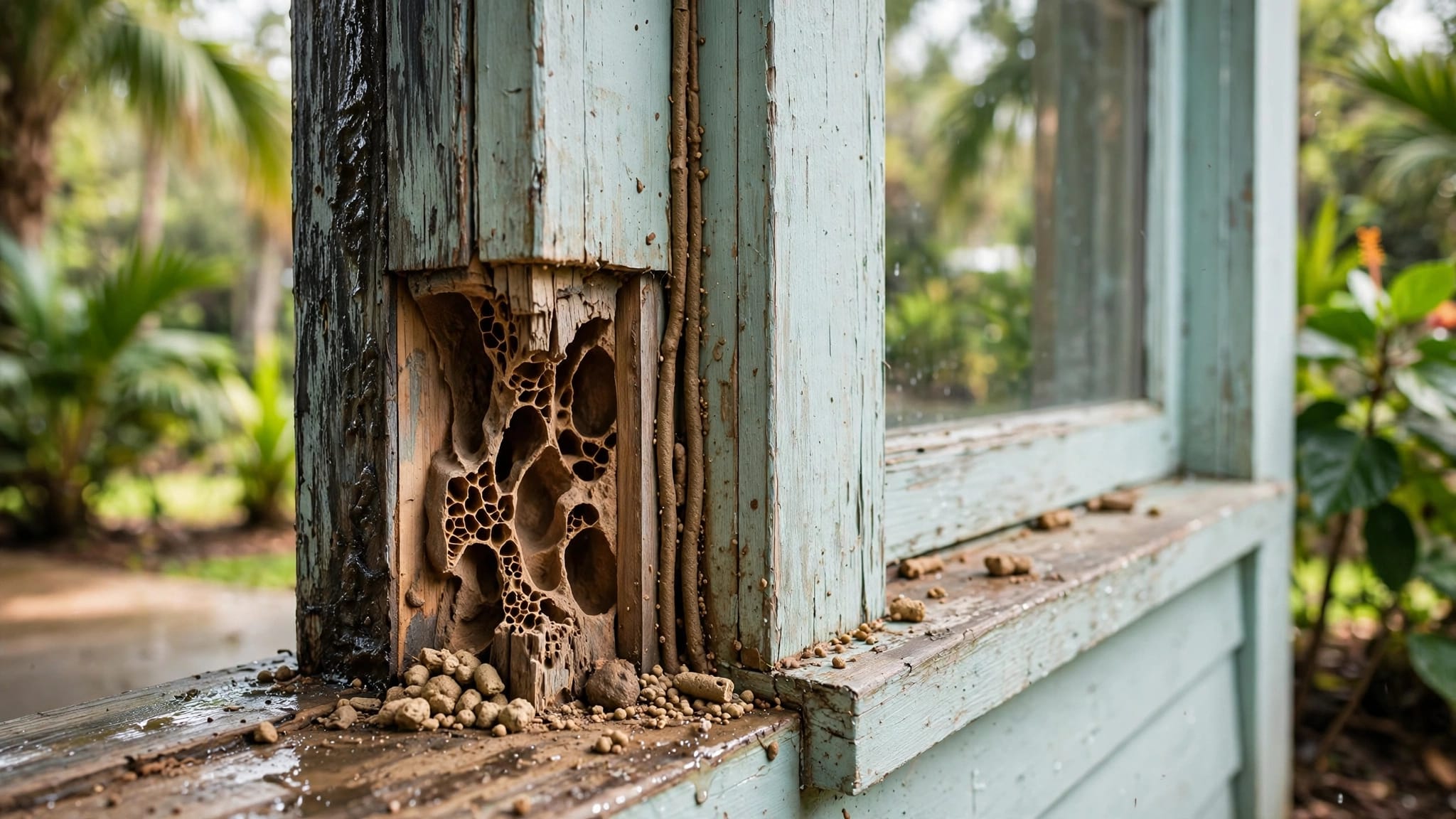
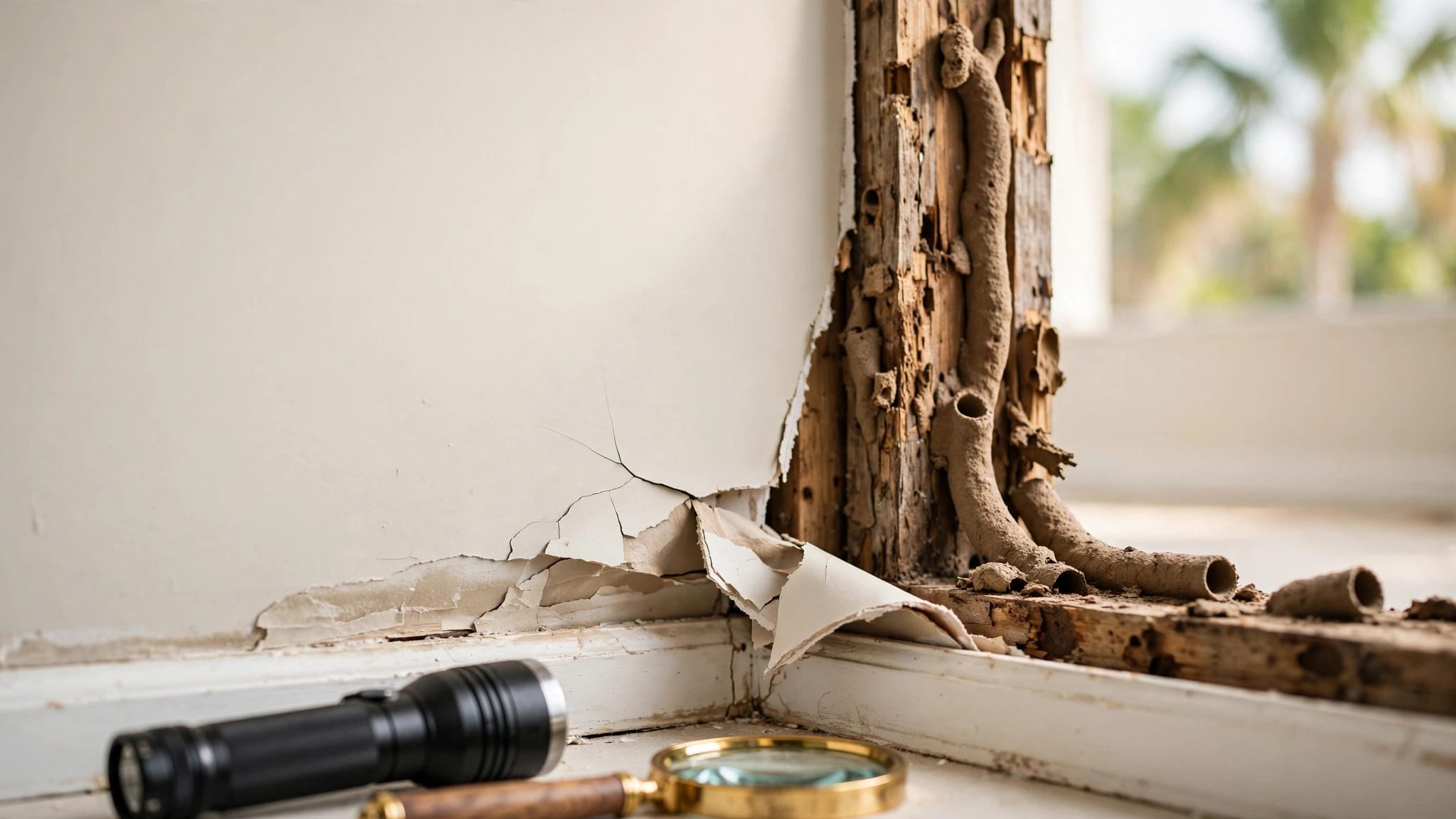
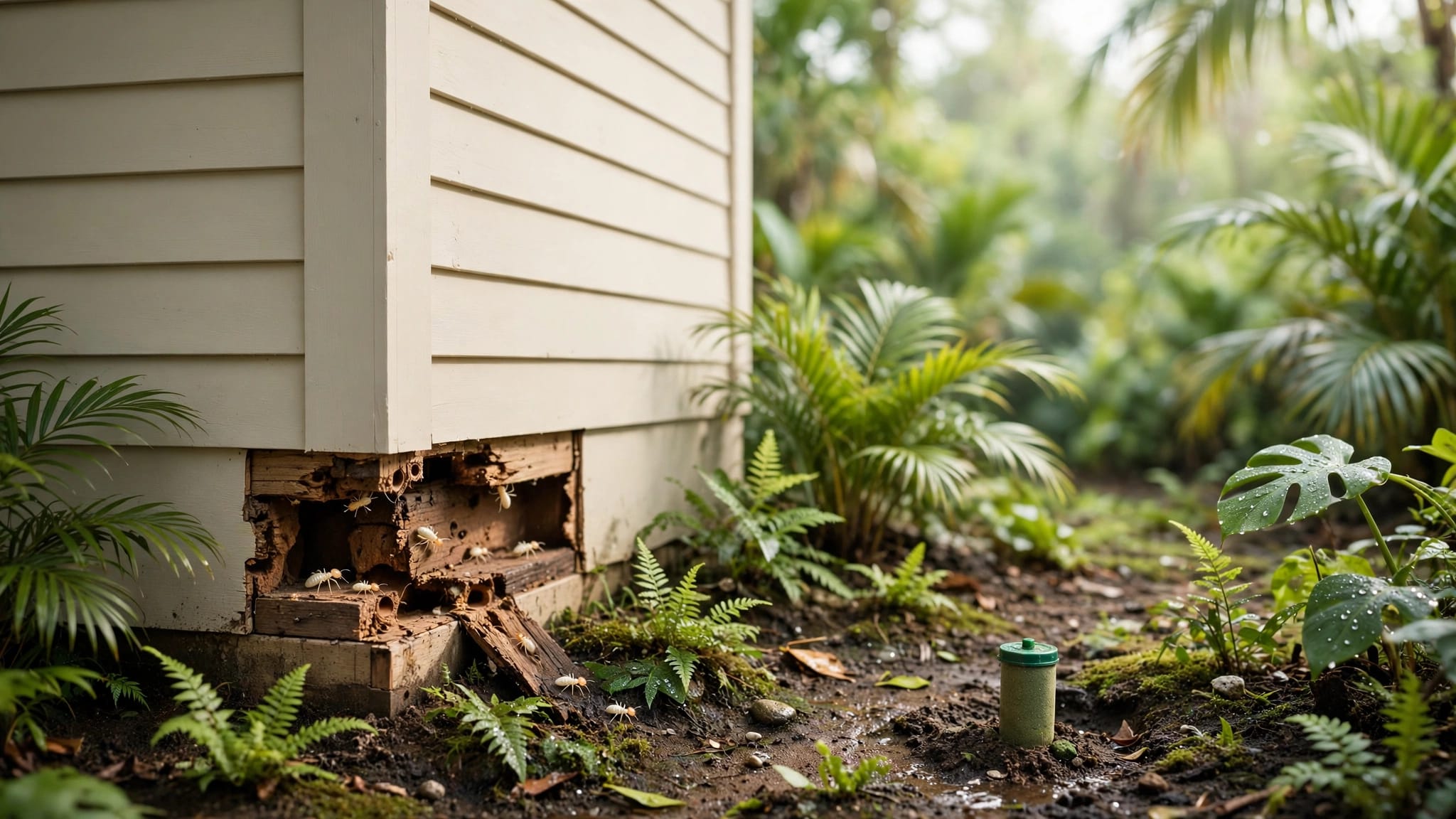
They are not termites. They are not a structural pest. They do not bore into framing or weaken the home. In most cases, they land, rest, and move on.
What they do signal is an environment that other insects may also like. Bright lights, open gaps, and damp spots can bring in moths, beetles, ants, mosquitoes, and other nighttime visitors. If you see dobsonflies often, the issue may be larger than one insect.
That is where a broader look at the home helps. If the activity around your doors keeps building, residential pest control in Cape Coral can help identify the conditions that are drawing pests to the property.
Simple prevention steps that reduce visits
The best fixes are often small. You do not need to turn your home dark or make the porch feel unwelcoming. You just need to make it less attractive to flying insects.
Cut back on the light that draws them in
Bright white bulbs pull in more insects than softer light. If your porch or garage uses a harsh, cool-colored bulb, a warmer option may help.
A few changes make a clear difference:
- Turn off exterior lights when you do not need them.
- Switch to warm or amber bulbs if the fixture allows it.
- Use lower brightness when possible.
- Aim lights downward instead of out into the yard.
Closed blinds also help. If bright indoor light spills through windows near the entry, insects may gather there as well.
The goal is not total darkness. It is to reduce the glow that acts like a night beacon.
Seal the gaps around doors and garage openings
Small openings around doors give insects an easy path inside. They can also invite roaches, ants, and even small rodents.
Check the lower edge of the garage door first. A worn bottom seal, cracked threshold, or loose side trim creates enough space for pests to slip through. Weather stripping around entry doors matters too.
Caulk gaps around frames, repair torn screens, and make sure the garage door closes tightly. If you can see daylight around the edges, pests can often find their way in as well.
A tighter seal does two jobs at once. It keeps insects out, and it helps the home hold up better during Florida weather.
Clear the areas that attract insects
Lighting is only part of the picture. Nearby clutter and moisture can feed the problem.
Start with the basics:
- Remove standing water from planters, buckets, and trays.
- Clean gutters so water moves away from the house.
- Trim thick shrubs away from entry lights.
- Keep leaf piles and grass clippings from building up near doors.
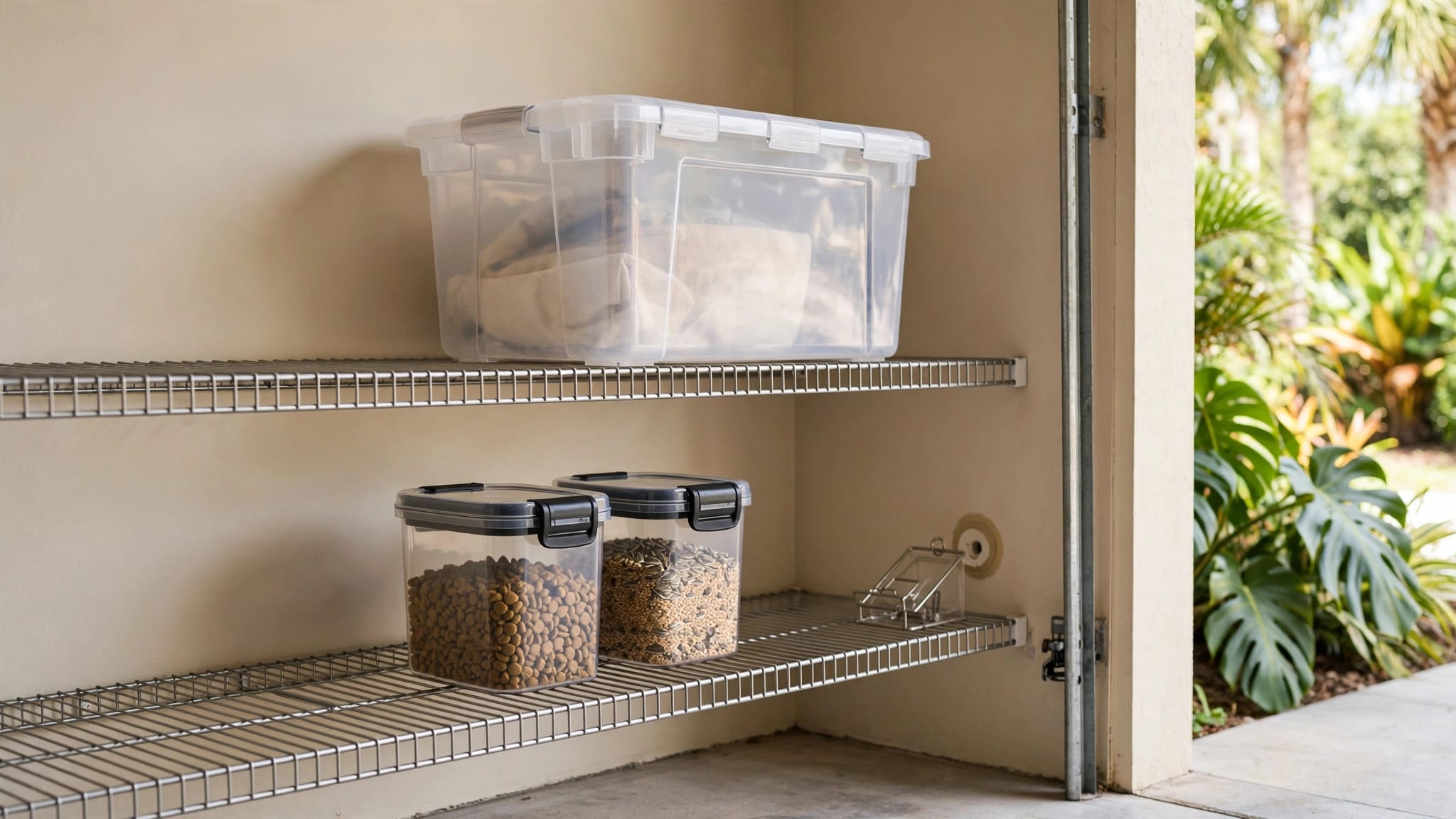
- Store cardboard, bird seed, and pet food in sealed containers.
Damp, shady spots near the home can give insects a place to hide during the day. The cleaner and drier those areas stay, the less attractive your entryway becomes.
If your garage collects extra humidity, run a fan or dehumidifier when needed. That can help reduce the still, moist air that insects seem to like.
Watch the timing of the problem
Dobsonflies often show up in the evening, after sunset, and after rain. That pattern matters.
If you notice them most on nights when the porch light stays on for hours, try a shorter lighting schedule. Motion-activated fixtures can also help. They give you light when you need it, without leaving the area lit all night.
You may also see more activity near the water after warm, rainy stretches. That does not mean the insects are nesting in your home. It usually means the neighborhood conditions are right for them to fly around and find light.
When the problem keeps coming back
One dobsonfly on the garage door is easy to dismiss. A steady stream of them around the porch tells a different story.
That repeat pattern usually means several small things are working together. The light is too strong. The seals are worn. Moisture is lingering nearby. Other insects may be feeding on the same conditions.
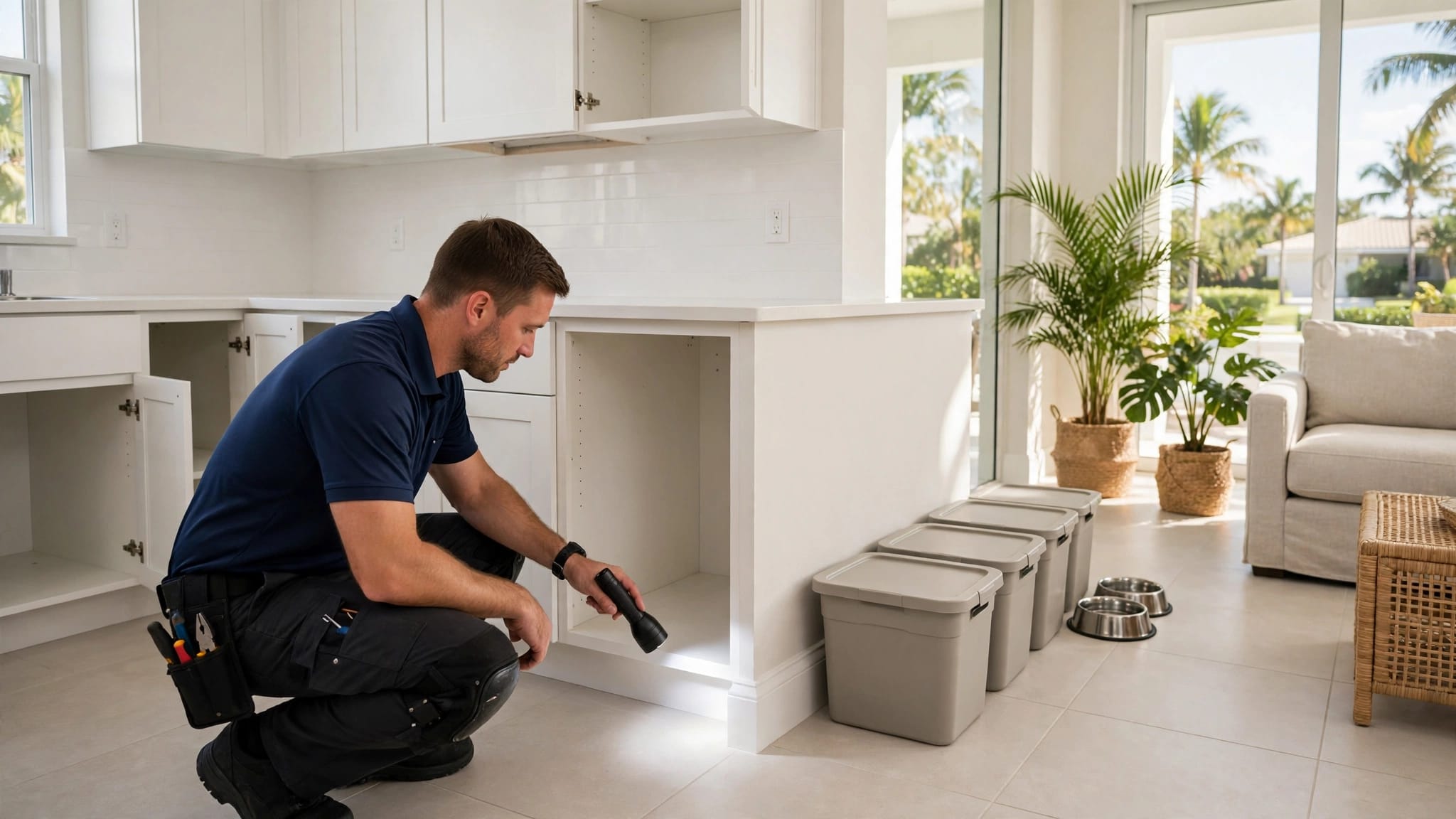
A professional inspection can sort out those pieces without guesswork. It can also show whether the issue is limited to dobsonflies or part of a bigger pest problem around the house. If other pests are moving in through the same gaps, comprehensive pest management services can help address the full picture.
For Cape Coral homes, that broader view matters. The same entry points that bring in flying insects can also welcome roaches, ants, spiders, and small rodents. A fix that targets only the visible bug may miss the real cause.
Conclusion
Dobsonflies around Cape Coral porch lights and garage doors are usually a light-and-moisture problem. They look dramatic, but they are mostly a nuisance, not a threat to the structure of the home.
Lower lighting, warmer bulbs, tighter seals, and cleaner entry areas can make a real difference. If they keep showing up after warm, humid nights, the home may need a closer look at light placement, moisture, and entry points.
When the porch light keeps drawing in more than you want, the answer is usually simple, and the fix starts at the door.
Schedule a Free Inspection: