Pseudoscorpions in Cape Coral Bathrooms and Bookshelves
Tiny arachnids can trigger a big reaction, especially when they show up near a sink or tucked into a bookcase. If you've spotted pseudoscorpions in Cape Coral , the good news is that these little creatures are usually more of a clue than a threat.
They often appear where moisture stays high and where tiny prey is easy to find. Bathrooms, laundry rooms, and bookshelves can all give them what they need. Once you know what they look like, why they're there, and how to reduce the conditions that attract them, they're much easier to deal with.
What pseudoscorpions are and why they end up indoors
Pseudoscorpions are small arachnids, so they're related to spiders and ticks, not insects. They have eight legs and a pair of pincer-like front claws that make them look like tiny scorpions without the tail. That tail difference matters, because it's one of the fastest ways to avoid a bad guess.
Most people never notice them unless they pause on a countertop, book, or cabinet shelf. They move slowly, hide well, and stay close to the places that support their food sources. In homes, that usually means areas with moisture, dust, paper, stored items, and other small pests.
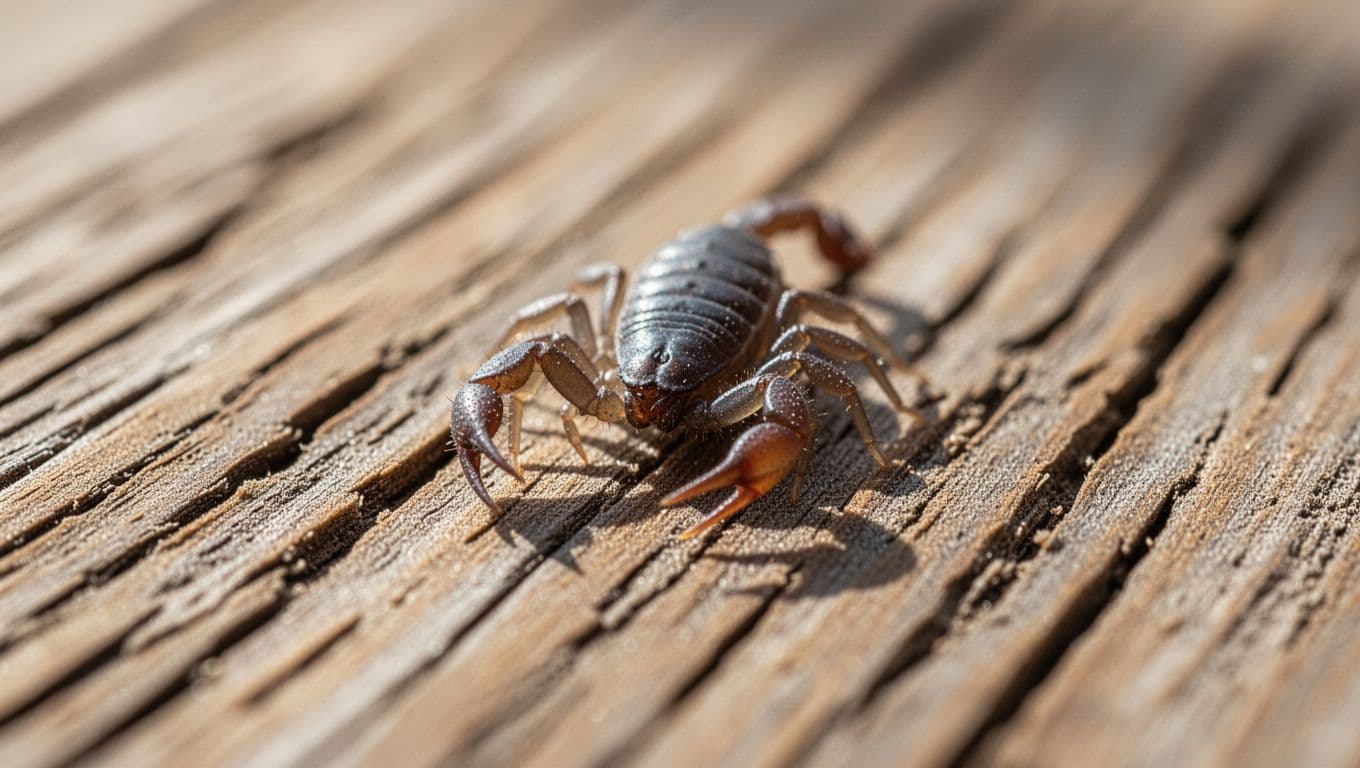
Bookshelves are a common hiding spot because they can hold tiny prey like booklice, mites, and springtails. Bathrooms are another favorite because they stay humid longer than most rooms. Once you notice that pattern, the sightings make more sense.
Why bathrooms and bookshelves are common hiding spots
Bathrooms stay damp
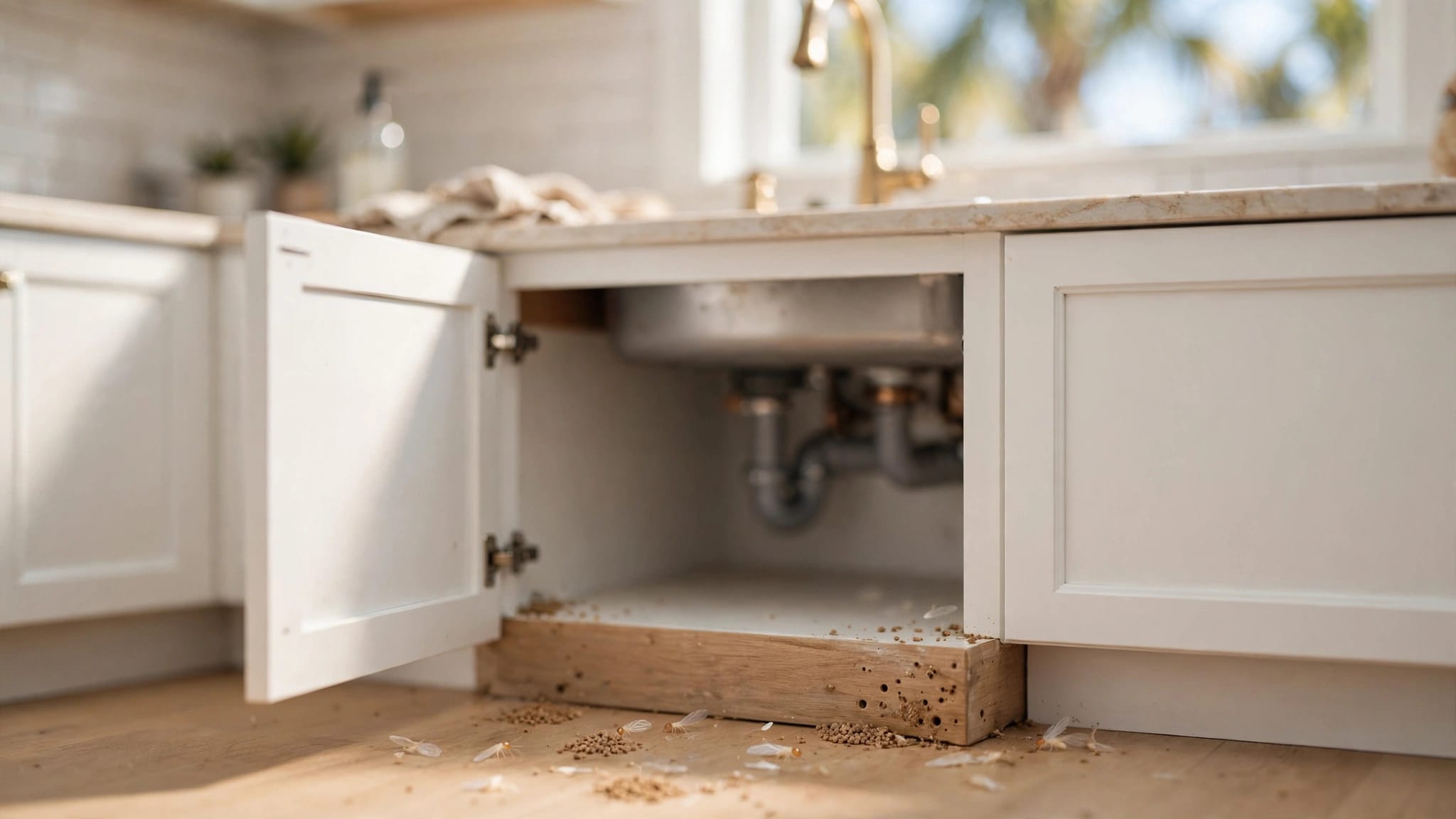
Cape Coral homes deal with heat and humidity for much of the year. Bathrooms make that worse because showers, sinks, and tubs add daily moisture. Even a small drip under a vanity can create the kind of damp corner pseudoscorpions like.
They don't need standing water. A little humidity, a protected crack, and a few tiny prey insects are enough. That's why they may show up near baseboards, under sinks, behind toiletries, or around loose trim.
If you keep finding them in the same bathroom, look for condensation, slow leaks, wet bath mats, or poor ventilation. A weak exhaust fan can leave the room damp long after the shower is done. That lingering moisture often matters more than the sighting itself.
Bookshelves collect tiny prey
Bookshelves can seem odd at first, but they fit the puzzle well. Paper, dust, cardboard, and stored books can attract tiny insects like booklice. Pseudoscorpions feed on those small pests, so they follow the food.
Old books, packed shelves, and little-used storage corners are prime spots. A shelf near a bathroom or exterior wall can hold enough moisture to make the space more appealing. Add a bit of dust and a few hidden insects, and the shelf becomes a quiet hunting ground.
This is why a pseudoscorpion on a bookshelf doesn't always mean a bigger infestation. Sometimes it means the shelf has the right mix of humidity and prey. Still, repeated sightings deserve attention.
A pseudoscorpion in a bathroom usually points to moisture and tiny prey, not danger.
How to tell one from a tick, bed bug, spider, or scorpion
Misidentification is common because these pests are small and easy to overlook. A quick comparison helps clear up the confusion.
| Pest | Look | Usual clue | Common mistake |
|---|---|---|---|
| Pseudoscorpion | Tiny arachnid with pincers and no tail | Often found in damp indoor spots or on shelves | Mistaken for a baby scorpion or tick |
| Tick | Rounder body, small head, no large pincers | Clings to skin, pets, or clothing | Confused with any small brown arachnid |
| Bed bug | Flat, oval, reddish-brown insect | Found in bedding and furniture seams | Mixed up with other small indoor bugs |
| Spider | Eight legs, no tail, no pincers | Spins webs or hunts in corners | Mistaken because of size or leg count |
| Scorpion | Larger body, long tail with stinger | Outdoor or sheltered areas, depending on species | The tail makes the difference |
The biggest giveaway is the pair of pincers. Pseudoscorpions have them, while ticks and bed bugs do not. They also lack the long, curved tail that people expect on a scorpion.
A close look matters because the wrong ID can send you chasing the wrong fix. For example, a bed bug problem calls for a very different response than a moisture issue in a bathroom. When you're not sure, a trained eye can save time and frustration.
Are pseudoscorpions dangerous to people or pets?
Pseudoscorpions are generally harmless to people and pets. They don't have the size, strength, or behavior that makes larger pests a real threat. Their pincers look dramatic under a flashlight, but they aren't built to cause serious harm.
They do not act like ticks, and they don't feed on blood. They also aren't bed bugs, so they won't build up in bedding or bite through the night. In most homes, they simply wander through while hunting tiny pests.
Pets usually ignore them. A curious cat or dog may sniff one, but there's little reason for concern. The same goes for children. The bigger issue is the conditions that let them indoors in the first place.
If you're seeing one or two, that often means your home has a damp corner or a small prey source nearby. If you keep seeing them, the environment may still be right for them to stay.
Simple ways to cut indoor sightings
Reducing pseudoscorpions is less about chasing the arachnid and more about changing the setting. Dry, clean, low-clutter spaces are less appealing to them and to the tiny pests they eat.
Here are the habits that help most:
- Run bathroom exhaust fans during and after showers.
- Fix leaks under sinks, behind toilets, and around tubs.
- Wipe down wet counters, shower edges, and vanity tops.
- Vacuum baseboards, shelf edges, and closet floors on a regular schedule.
- Seal gaps around pipes, trim, windows, and door frames.
- Reduce clutter, especially cardboard boxes and stacked paper.
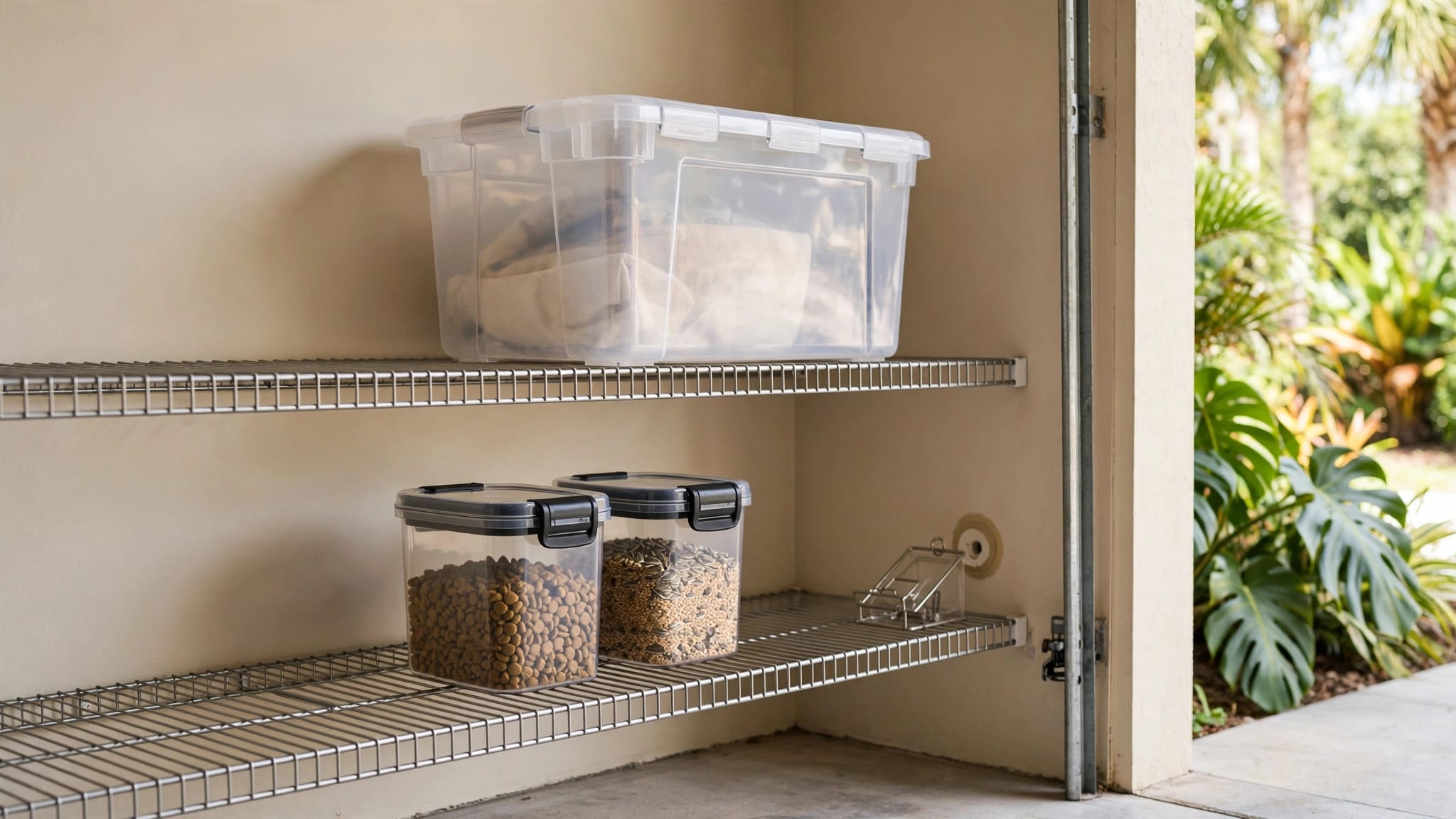
- Store books and documents in dry areas with good airflow.
A small change can make a real difference. For example, moving a bookcase away from a damp wall can cut down on the moisture that attracts tiny prey. Likewise, keeping the bathroom fan clean and working well can dry the room faster after each shower.
Humidity control matters too. In Cape Coral, air conditioning helps, but it only does so much if a room has poor airflow or hidden leaks. A dehumidifier can help in a stubborn laundry room, storage area, or enclosed bathroom.
When sightings keep happening, professional pest control services can help identify the tiny pests that support them. That matters because pseudoscorpions often follow booklice, mites, silverfish, or similar moisture-loving pests. Remove the food source, and the visitors usually thin out.
When local pest control makes sense
A few sightings now and then are not the same as a major infestation. Still, repeated appearances in bathrooms or around bookshelves can point to a larger indoor issue. Moisture, gaps in the home, and nearby pest activity often work together.
That's when a closer look is worth it. A technician can check likely problem spots, trace the source of the moisture, and see whether other pests are feeding the ones you're noticing. If the problem keeps coming back in your Cape Coral home, Cape Coral residential pest solutions can help you get ahead of it before the pattern spreads.
This is especially useful in homes with storage rooms, older bathrooms, or book-heavy living areas. Those spots can hide small pest problems longer than people expect. A careful inspection often finds the real issue faster than guesswork does.
Conclusion
A pseudoscorpion in a bathroom or on a bookshelf is usually a sign of moisture and tiny prey , not a serious threat. Once you know how to identify one, it's easier to avoid confusing it with ticks, bed bugs, spiders, or scorpions.
Keep rooms dry, cut clutter, and seal the gaps that let pests hide. In Cape Coral homes, those simple steps go a long way toward fewer surprise sightings and a calmer home.
Schedule a Free Inspection: