Asian Roaches In Cape Coral What They Are And Why They Fly
If you've ever flipped on a lanai light in Cape Coral and watched a "palmetto bug" swoop in like it owns the place, you're not alone. In many neighborhoods, that flying roach is often an asian cockroach , not the big sewer roach people picture.
Here's the good news: Asian cockroaches are usually an outdoor problem first. They can be annoying, but they don't always mean your home is infested. The key is correct ID, then fixing what's attracting them, especially lights and moisture.
What an asian cockroach is (and why it's often mistaken for a German roach)
The asian cockroach (Blattella asahinai) looks a lot like the German cockroach at first glance. Both are small, tan to light brown, and have two dark stripes behind the head. That similarity causes a lot of stress for homeowners, because German cockroaches are the indoor, fast-breeding ones that can spread through kitchens and bathrooms.
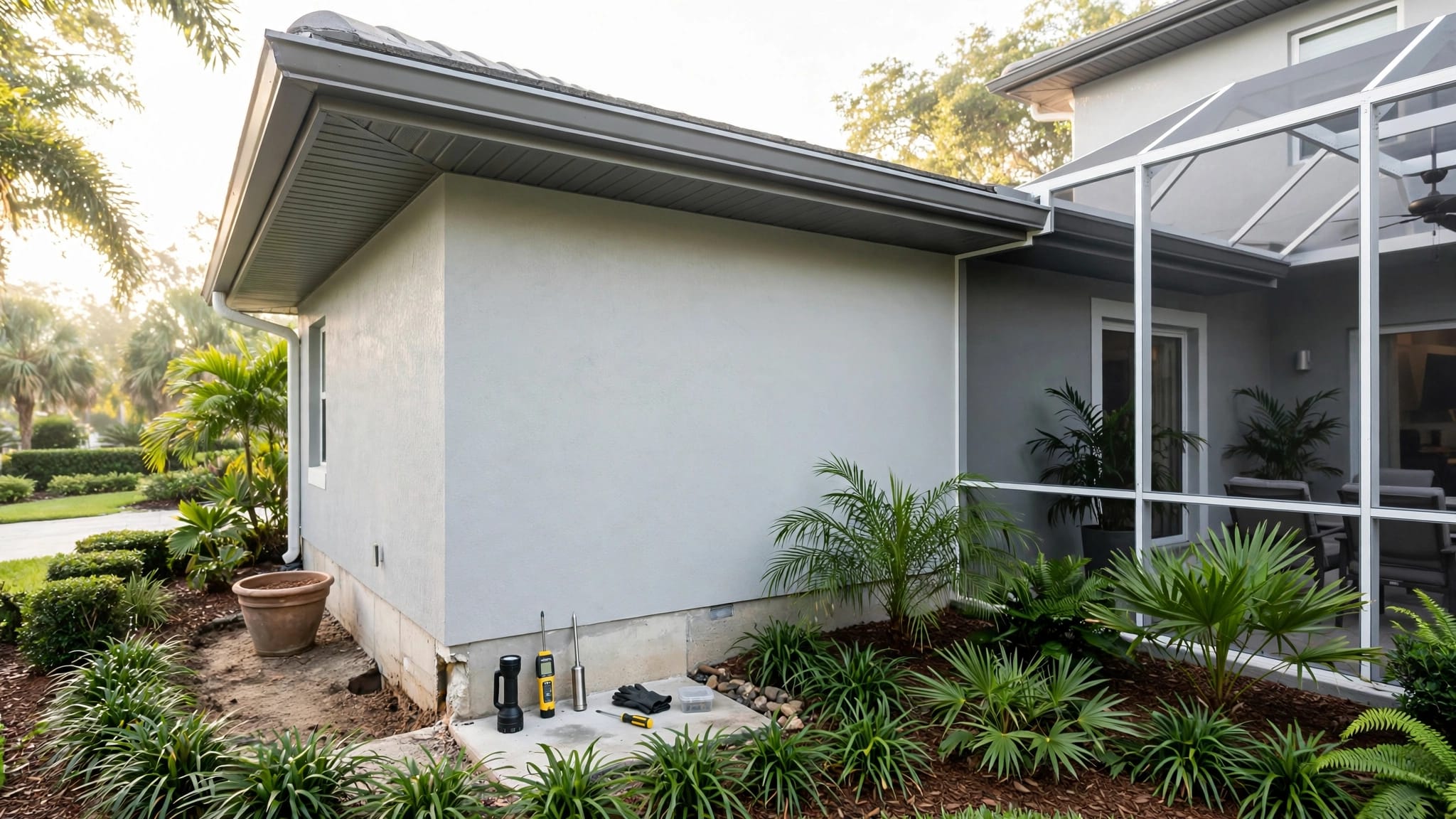
Asian cockroaches behave differently. They usually live outside in mulch, leaf litter, and dense ground cover . In Cape Coral, that can mean they're right under porch planters, along the fence line, or in the landscaping beds by the lanai. When they fly or wander indoors, it's often because they got pulled in by light or slipped in through a door.
For a deeper ID reference, UF/IFAS has a helpful profile on the species: Asian cockroach UF/IFAS profile.
A quick comparison can help you sort out what you're seeing:
| Feature | Asian cockroach | German cockroach |
|---|---|---|
| Usual location | Outdoors (mulch, leaf litter) | Indoors (kitchens, bathrooms) |
| Attraction to lights | Strong, commonly flies to lights | Low, avoids light |
| Flight | Adults readily fly | Rarely flies (usually glides) |
| "One-off" sightings | Common around doors and lanais | Less common, usually more signs appear |
If you're still unsure, it helps to compare your situation with what local homes face, because Cape Coral has multiple roach types active year-round. This guide can help you think through next steps: Cockroach Control Strategies for Cape Coral homes.
If the roaches are mostly outside and they're flying to lights, it's often an attraction problem, not an indoor breeding problem.
Why Asian cockroaches fly in Cape Coral (and why your porch light is the main trigger)
Asian cockroaches fly because they're built and wired for it. Unlike many indoor roaches, they're strong fliers and they respond to light. In plain terms, your porch bulb can act like a beacon.
Cape Coral's warm evenings make this worse. When nights stay mild and humid, roaches stay active longer. Add a bright light near a door, plus landscaping beds nearby, and you've created a short, easy flight path right to your lanai.
The pattern often looks like this: lights come on at dusk, roaches lift off from mulch or leaf litter, then they hit the wall near the fixture. From there, they may slip inside when a door opens, or they may sneak in through small gaps around screens and frames.
Step-by-step: reduce attraction to porch and lanai lights
You don't have to live in the dark. Small lighting changes can cut sightings fast.
- Switch to warm, amber lighting (often labeled "amber," "bug light," or very warm color temps like 2200K). These tend to attract fewer insects than bright white or bluish bulbs.
- Use LED bulbs instead of older, heat-producing bulbs. Less heat often means less insect activity around the fixture.
- Shield the light so it points down, not out. A simple hooded fixture can reduce the "glow" insects see from a distance.
- Put lights on timers or motion sensors so they aren't on all evening. Less on-time usually means fewer visitors.
- Move bright lights away from doors when possible. Even relocating a fixture a few feet can help.
- Close blinds at night if indoor lights shine through large windows, especially sliders facing the yard.
If you want broader, Florida-specific prevention ideas that pair well with lighting changes, this article has solid home habits to consider: Florida bug prevention tips for humid homes.
For extra context on yard roaches and why they show up by the thousands in mulch, UF/IFAS also explains the outdoor behavior well here: Which roach is around your yard?
Practical IPM for Asian roaches: fix the yard conditions that support them
Because Asian cockroaches mostly live outdoors, the best long-term control usually starts with integrated pest management (IPM) . Think of it like taking away the things they "rent" from your yard: shelter, moisture, and easy hiding spots.
Start with the areas closest to the home. Roaches don't need much. A damp layer of leaves under a shrub line can support a lot of activity.
A few changes that help in Cape Coral landscapes:
Keep mulch from getting too thick. Deep mulch holds moisture and stays cooler underneath, which makes it a comfortable hiding zone. As a simple rule, many homeowners do better with mulch kept around 2 to 3 inches deep, topped up only when needed, not piled up like a berm against the foundation.
Next, clean up leaf litter and plant clutter. Rake out leaves under palms, trim back heavy ground cover near entry points, and remove dead plants quickly. Also, store bagged soil, pine straw, and mulch off the ground and away from doors.
Moisture control matters just as much. Over-watering, leaky spigots, and broken irrigation heads create damp pockets roaches love. If you've got irrigation spraying the wall or soaking one spot nightly, adjust the heads and watering schedule.
Then, tighten the "border" of your home. Repair lanai screens, add door sweeps, and seal small gaps where pipes enter the wall. These steps won't stop every outdoor roach, but they reduce how many end up inside.
When products come into the conversation, safety comes first. Avoid foggers and random sprays in living spaces. If you use any store-bought product, read the label and follow it exactly, because the label is the law. For many homes, targeted baits and professional exterior treatments work better than broad indoor spraying.
Seeing a few at the lanai doesn't always mean an indoor infestation, but repeated sightings in kitchens or bathrooms can point to a different roach type.
If you're getting frequent indoor sightings, want help with ID, or need a plan that fits your home and pets, professional support can save time and frustration. You can learn what ongoing service looks like here: residential pest control in Cape Coral.
Conclusion
Asian roaches in Cape Coral are often outdoor insects that fly to lights, not a sign your home is falling apart. Once you confirm it's an asian cockroach , the best results come from reducing light attraction, drying out damp hiding spots, and keeping mulch and leaf litter under control. If the problem keeps pushing indoors, an inspection can clarify what's going on and stop the cycle before it becomes a bigger headache.
Schedule a Free Inspection: