Black Widow Spiders In Cape Coral How To Identify And Reduce Risk
Spotting a shiny spider near your garage or pool cage can make your stomach drop. In Cape Coral, black widow spiders are part of life outdoors, especially around stored items and quiet corners.
The good news is simple: bites are uncommon, and most problems start with misidentification or accidental contact. This guide will help you confirm what you're seeing, avoid the usual trouble spots, and lower your risk without panic.
How to identify black widow spiders (female vs male vs juvenile)

Photo by Bruno Guerra
In Southwest Florida, black widows can stay active year-round. Activity often increases in spring, and after heavy rain they may show up in more sheltered places.
Start with these ID cues:
Adult female (the one people worry about most)
She's usually glossy black with a rounded abdomen. The classic marking is a red or orange hourglass on the underside
of the abdomen. Sometimes the hourglass looks split or faint. Females build the familiar messy, tangled web in protected areas, often close to the ground.
Adult male
Males are smaller and slimmer. They're often brownish, with lighter markings or striping. They can look nothing like the "movie version" of a black widow, which is why they get overlooked.
Juveniles
Young black widows can be tan to brown with pale stripes or spots. As they mature, they darken. Many "mystery spiders" in garages are juveniles of common species, so it helps to look at the web and hiding spot too.
Web and habitat clues
Black widows don't build neat, circular webs. Instead, they make an irregular tangle that looks like someone tossed fishing line in a corner. They prefer undisturbed voids: behind stored bins, under patio furniture, inside folded hoses, and around clutter.
For a broader picture of what's common locally, see this guide to common spiders in Cape Coral.
Before you assume "widow," compare it to look-alikes. This quick table helps narrow it down.
| Spider type | What it often looks like | Web style | Common Cape Coral locations | Bite risk to people |
|---|---|---|---|---|
| Black widow (adult female) | Glossy black, red/orange hourglass underneath | Messy tangle | Sheds, garages, pool cage corners, storage piles | Medically important, bites are uncommon |
| Brown widow (common look-alike) | Brown or gray, orange-ish hourglass, patterned back | Messy tangle | Mailbox areas, lanais, outdoor furniture | Usually less severe than black widow |
| False widow (Steatoda) | Dark brown to purplish, bulb abdomen, no true hourglass | Messy tangle | Garages, soffits, clutter | Usually mild to moderate |
| Common house spider | Small brown or gray | Cobwebby, messy | Indoors corners, closets | Low |
| Orb-weaver | Larger, patterned, "garden spider" look | Round, symmetrical "wheel" web | Shrubs, eaves, between trees | Low, reluctant biter |
Where black widows hide around Cape Coral homes (and why)
Black widows aren't roaming hunters. They're more like anglers, they sit back and let the web do the work. That's why the highest-risk moments are when a hand reaches into a hidden space.
In Cape Coral, the most common "surprise" spots match local home setups:
- Screened lanais and pool cages : Corners, screen frames, the base track, behind storage benches, and under grill covers. Night lighting can pull insects in, which keeps spiders interested.
- Garages and sheds : Behind stacked boxes, inside old shoes, around the bottom lip of walls, near water heaters, and under shelving.
- Boat and trailer storage : Straps, tarps, seat cavities, dock boxes, and folded life jackets. Anything stored "ready to grab" becomes a perfect hiding place.
- Yard clutter : Pots, pavers, palm fronds, scrap lumber, and woodpiles.
Most bites happen when a spider gets pinned against skin, like inside a glove or when lifting a bin against your leg. That's why prevention is less about fear and more about removing the "pinch points."
How to reduce black widow risk (step-by-step, Cape Coral edition)
If you want fewer spiders, focus on two things: fewer hiding spots and fewer insects nearby. Quick sprays alone rarely fix the reason they moved in.
Here's a practical, local routine that works well for lanais, sheds, and pool areas:
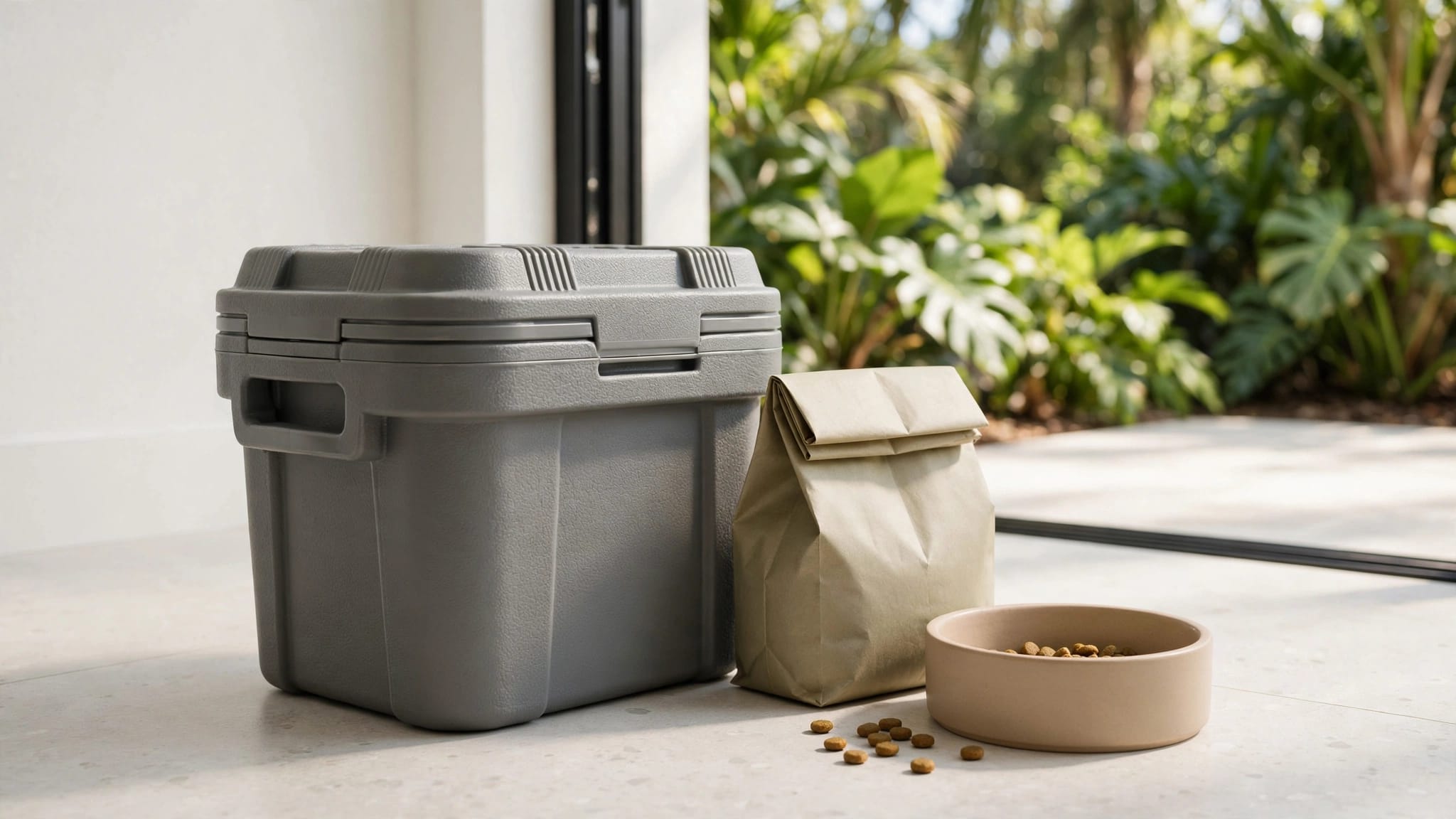
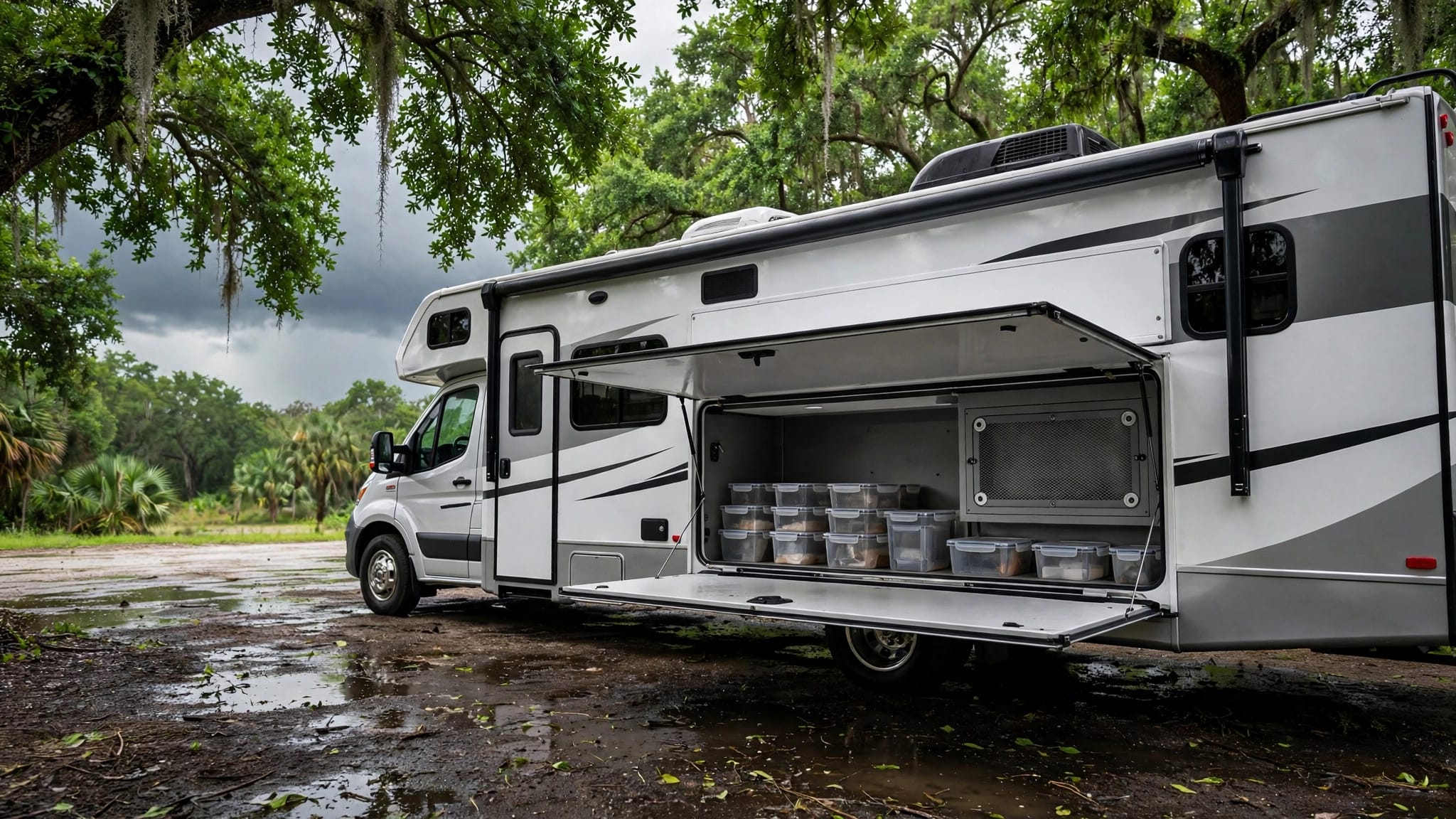
- Reset storage : Move items off the floor. Use sealed plastic bins instead of open cardboard. Leave a small gap from walls so you can see behind stacks.
- Make "grab zones" safer : Keep gloves, pool toys, and garden tools in closed containers. Then, shake out anything that's been sitting.
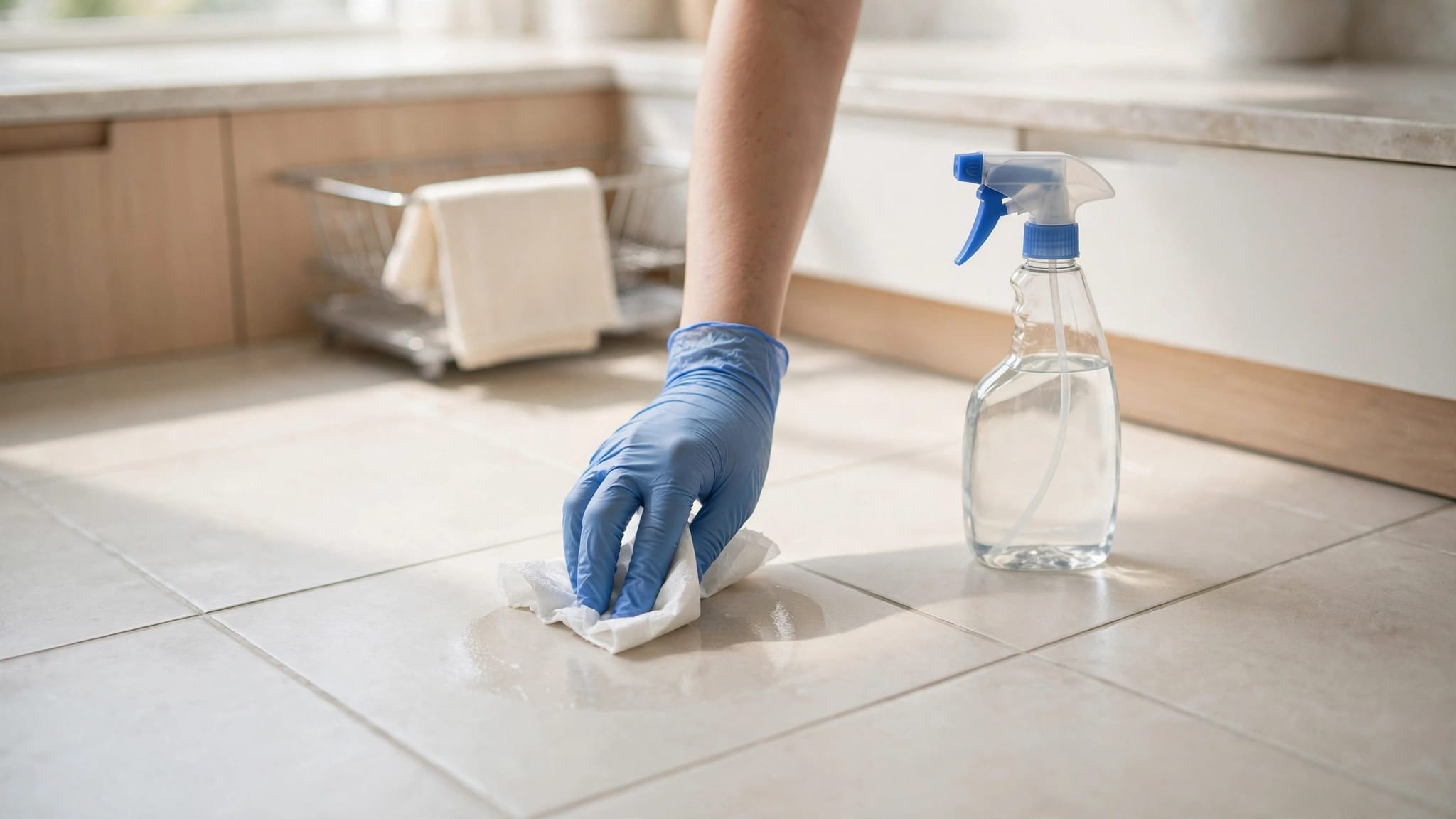
- Clean the corners that get ignored : Use a broom or vacuum on webbing in garage corners, behind the grill, and along the pool cage base. Remove egg sacs you can see, using gloves.
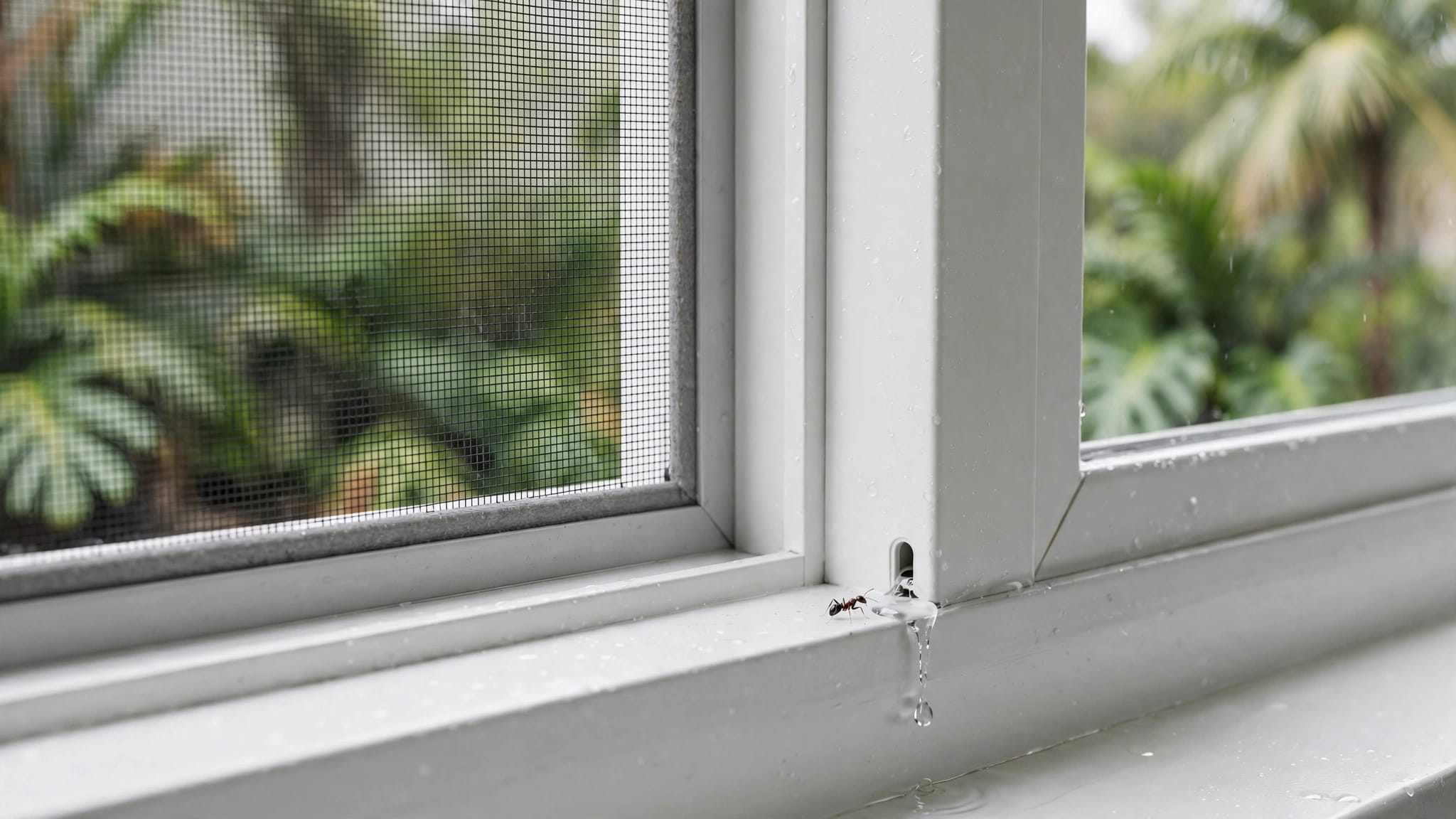
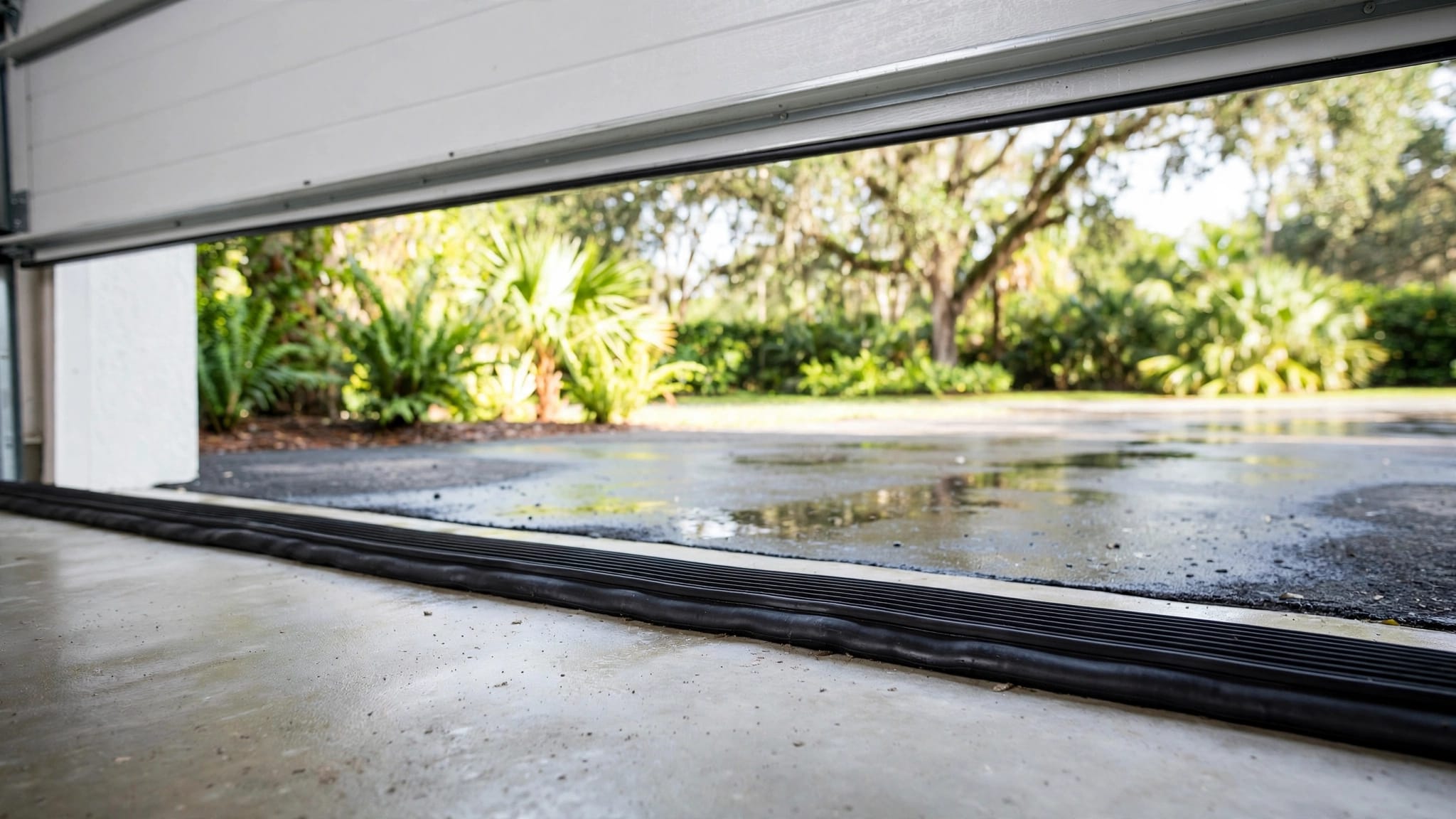
- Seal easy entry points : Add door sweeps, fix torn screens, and caulk gaps around pipes and cable lines. Small gaps matter because prey insects get in first.
- Adjust outdoor lighting : Bright white lights attract insects at night. If you can, switch to warmer bulbs and keep lights aimed down.
- Trim back contact points : Keep shrubs, palms, and stacked materials away from the home and pool cage edges.
- Reduce moisture and insects : Fix leaky hose bibs and avoid standing water near storage areas. Fewer insects means fewer spiders.
If you want a broader home checklist, this Cape Coral-focused guide on how to spider-proof your Cape Coral home pairs well with widow-specific steps.
What not to do if you suspect black widows
Panic tends to create the risky moments. These "don'ts" prevent most accidents and overreactions:
- Don't spray everything indiscriminately. Overusing insecticides can push spiders deeper into hidden voids. It can also expose kids and pets to residues.
- Don't use bug bombs indoors for spiders. Foggers don't reach the tucked-away corners where widows sit.
- Don't handle egg sacs bare-handed. Wear gloves, and use a tool or vacuum when possible.
- Don't crush a spider with your hand. If it is a widow, that's a direct-contact gamble.
- Don't store firewood or palm fronds against the house. Keep piles well away from walls and entries.
If you're seeing repeat webs in the same protected corner, treat it like a habitat problem, not a "one spider" problem.
Black widow bite action plan (calm steps that matter)
Most suspected "spider bites" aren't confirmed, and many skin sores come from other causes. Still, it's smart to know what to do, especially if you find a widow nearby.
Immediate steps
- Wash the area with soap and water.
- Apply a cold pack for 10 minutes, then off for 10 minutes. Repeat as needed.
- Remove rings or tight items near the bite in case swelling starts.
- Rest and limit movement of the area.
- If safe, take a photo of the spider for identification. Don't risk another bite to capture it.
Avoid cutting the bite, sucking venom out, or using heat. Skip alcohol "disinfection" soaks that irritate skin.
Red-flag symptoms to watch for
Call for medical guidance right away if any of these show up within a few hours:
- Increasing, spreading pain or muscle cramps
- Stomach, back, or chest tightness
- Heavy sweating, nausea, or vomiting
- Weakness, dizziness, or trouble breathing
- Symptoms in a child, older adult, or someone with serious health issues
Who to call
- Poison Control : Call 1-800-222-1222 for fast, expert guidance in the U.S. They'll tell you what to do next based on symptoms.
- Call 911 if breathing is hard, pain is severe and escalating, or someone is fainting or confused.
Conclusion
Black widow spiders are around Cape Coral, but they aren't out looking for people. Most risk comes from clutter, hidden storage, and rushed hands in dark corners. With better storage habits, regular web removal, and smarter checks around lanais, sheds, and boat gear, you can cut the odds down fast. If you're seeing repeat activity in the same areas, bring in help so your home stays safe without turning every corner into a worry.
Schedule a Free Inspection: